Imagine traveling back in time, diving into the depths of ancient oceans during the Late Cretaceous period. In those mysterious waters, a fascinating creature called Elasmosaurus awaited, capturing the imaginations of paleontologists and curious minds alike.
As we envision Elasmosaurus in its prime, we transport ourselves to a time when dinosaurs ruled the land. This incredible reptile thrived in marine environments, navigating the vast oceans and seas of the prehistoric world. Its colossal size is simply awe-inspiring, reaching lengths of up to 40 feet (12 meters). Elasmosaurus was a true titan of the seas, with a body like no other.
One of the most captivating features of Elasmosaurus is it's incredibly long neck, composed of an astonishing number of vertebrae. Can you imagine having approximately 72 neck bones? This remarkable adaptation allowed Elasmosaurus to extend its head far from its body, granting it unmatched agility and precision as a hunter.
Now, picture Elasmosaurus gracefully gliding through the water with its streamlined and compact body. Its four powerful flippers, resembling massive paddles, propelled it effortlessly through its marine domain. Imagine the strength and grace in each stroke, allowing Elasmosaurus to navigate the ocean depths with unparalleled ease. It truly was a marvel of aquatic locomotion.
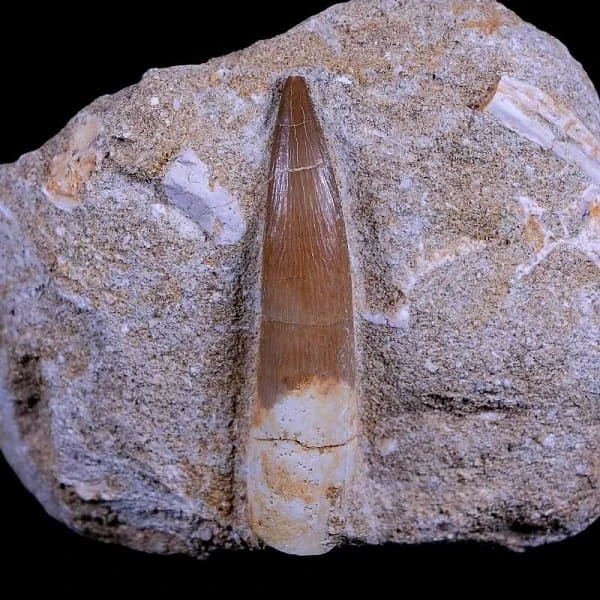
As we examine the fossilized remains of Elasmosaurus, we discover its fearsome arsenal of teeth. These sharp, conical teeth were perfectly designed for capturing and holding onto prey. While we can't be certain of its exact menu, scientists believe Elasmosaurus dined on small fish, cephalopods, and other delectable marine organisms. Its evenly spaced teeth, like a row of miniature daggers, formed an intimidating array within its long snout.
Beyond its physical traits, Elasmosaurus possessed an array of behaviors that contributed to its success as a predator. Picture it lurking beneath the water's surface, patiently waiting for the perfect moment to strike. With its incredible camouflage and stealthy approach, Elasmosaurus could surprise unsuspecting prey, its long neck shooting forward with lightning speed, capturing meals with remarkable precision.
In its heyday, Elasmosaurus inhabited the vibrant and teeming ancient seas and oceans. It is called shallow coastal areas and continental shelves; it is home, where the oceanic buffet was plentiful. These underwater realms were bustling with life, featuring a diverse cast of reptiles, fish, and mollusks, each playing their part in the grand tapestry of prehistoric marine ecosystems.
When we study the Elasmosaurus fossils, we are granted a remarkable opportunity to glimpse into the distant past. These remnants of a bygone era provide us with a human connection to the ancient marine worlds of the Late Cretaceous. Through the careful examination of these fossils, scientists piece together the puzzle of life in those ancient oceans, unraveling the intricate connections and bringing the past to life before our very eyes.
Quick Facts
Imagine yourself diving back in time to the Late Cretaceous period, around 80 million years ago. In those ancient waters, Elasmosaurus, a majestic marine reptile, swam alongside its prehistoric companions.Elasmosaurus fossils got its name, which means "thin plate lizard," from the special structure of its long neck vertebrae. It's fascinating how its bones were designed to create such an extraordinary feature.As a member of the plesiosaur family, Elasmosaurus shared its lineage with other remarkable creatures of the sea. It's like being part of a big aquatic family!Can you picture a creature that measured up to an impressive 40 feet (12 meters) in length? That's Elasmosaurus for you! It was a true giant of the oceans, evoking a sense of awe and wonder.Its most captivating feature was its unbelievably long neck, composed of around 72 vertebrae. Think about how flexible and agile Elasmosaurus must have been, gracefully maneuvering through the water.Just like you appreciate the grace of a skilled dancer, Elasmosaurus showcased its elegance in the water. Its streamlined body and powerful flippers allowed it to move swiftly and gracefully through its marine world.Elasmosaurus had an arsenal of sharp, conical teeth that were perfectly suited for catching and gripping its prey. It's as if it had its own set of built-in fishing tools!While we can't be certain of its exact menu, scientists believe Elasmosaurus fossils enjoyed a diet consisting of small fish, tasty cephalopods like squid and octopus, and other delicious marine creatures. It must have been quite the seafood connoisseur!Just like a skilled hunter lying in wait, Elasmosaurus employed an ambush strategy to surprise its unsuspecting prey. Picture it patiently lurking beneath the water's surface, ready to strike at just the right moment.The Elasmosaurus fossils have been discovered in various parts of North America, providing valuable clues about the marine ecosystems of the Late Cretaceous. Each fossil tells a story of a time long ago, reminding us of the vibrant and diverse world that once existed beneath the waves.
The Anatomy Of Elasmosaurus Fossils
When we delve into the anatomy of Elasmosaurus fossils, we uncover a mesmerizing array of features that made this marine reptile truly exceptional. Let's embark on a journey to explore its captivating form and adaptations.
Imagine encountering Elasmosaurus in the ancient oceans of the Late Cretaceous period. The first thing that would catch your eye is its unbelievably long neck, stretching out with around 72 vertebrae. However, this neck, unlike anything you've ever seen, granted Elasmosaurus an extraordinary reach. Just imagine the precision and grace with which it could strike at its prey, snatching it from a distance with unrivaled accuracy.
As you continue your exploration, you notice the sleek and streamlined body of Elasmosaurus fossils. Every curve and contour is finely sculpted to minimize resistance in the water, allowing this marine reptile to glide effortlessly through its marine domain. It's as if it was purposefully designed for the fluidity and grace of underwater movement.
Now, let's focus on the flippers. Elasmosaurus possessed four powerful flippers, with the front ones being particularly robust. You can't help but admire the sheer strength and agility these flippers provided, propelling Elasmosaurus through the water with ease. Just envision the synchronized motion of those flippers, working in harmony to navigate the depths, evoking a sense of power and grace.
As you examine the skeletal structure of Elasmosaurus fossils, you can't help but appreciate its sturdiness. The bones are solid and dense, providing the necessary support and protection in the demanding underwater environment.
Finally, your attention turns to its fearsome teeth. Elasmosaurus possessed a set of sharp, conical teeth, finely honed for capturing and gripping its prey. Those teeth, like a row of miniature daggers, inspire awe and respect for this predator of the deep. They are a testament to the evolutionary perfection of Elasmosaurus as a hunter.
The Elasmosaurus Teeth Structure
Let's have a closer look at the fascinating Elasmosaurus teeth, those sharp and pointed daggers that played a crucial role in its predatory endeavors in the ancient seas. These teeth were not only practical tools for capturing and securing prey but also captivating marvels of evolution.
Imagine running your finger along the row of teeth inside Elasmosaurus' mouth. You would feel the tightly packed arrangement, forming a fearsome array of natural weaponry. However, this strategic arrangement ensured that if a tooth was lost or damaged during a hunt, there were always others ready to step up and take its place. It's like having a team of trusty substitutes waiting on the bench, ready to join the action.
Each individual tooth would catch your attention with its sharply pointed shape, tapering to a fine and deadly tip. These conical structures were designed to puncture and grip prey with remarkable efficiency. With every successful strike, the Elasmosaurus teeth could pierce through the tough scales and flesh of its victims, securing a firm hold. Those teeth were like precision instruments, finely tuned for the art of predation.
Running your finger along the surface of the teeth, you would notice their smooth texture interrupted by occasional serrations along the edges. These serrations, like tiny saw-like features, provided additional cutting power. They ensured that struggling prey had little chance of escaping, helping Elasmosaurus maintain control during feeding. It's as if these teeth were equipped with built-in security measures, ensuring a successful capture.
As you explore further along the jaws, you will notice a gradual change in tooth size. The front teeth, larger and more robust, were perfect for seizing and immobilizing prey. Towards the back of the mouth, the teeth became smaller, aiding in slicing and breaking down food into more manageable portions. It's like having a set of specialized tools for different tasks, each tooth playing a crucial role in the intricate process of devouring a meal.
Contemplating the teeth structure of Elasmosaurus not only gives us a glimpse into the amazing adaptations of this ancient predator but also ignites our curiosity about the vibrant ecosystems of the past. These teeth were not merely functional tools; they were the embodiment of a successful hunting strategy, showcasing the ingenuity of nature's designs. Exploring the secrets of Elasmosaurus' teeth allows us to connect with the marvels of the natural world and marvel at the remarkable creatures that once roamed the ancient seas.
The Elasmosaurus Behaviour
Delving into the behavior of Elasmosaurus fossils allows us to glimpse into the captivating life and habits of this ancient marine reptile. Although we can't witness their behavior firsthand, scientists have embarked on a remarkable journey of discovery, piecing together clues from fossil remains and drawing insights from the behavior of related species. Let's embark on this journey to explore the intriguing behavior of Elasmosaurus.
Imagine the vast expanse of the ancient seas where Elasmosaurus once roamed. This majestic creature was perfectly adapted for an entirely aquatic lifestyle. Its streamlined body, powerful flippers, and remarkable long neck were the key to its graceful and agile swimming abilities. Picture Elasmosaurus gracefully navigating the open ocean, effortlessly propelling itself through the water, in search of food, mates, or new territories to explore.
As a predator, Elasmosaurus fossils held a position of dominance in the Late Cretaceous seas. With its sharp teeth and elongated neck, it possessed the tools of a skilled hunter. It likely employed stealth and surprise to its advantage, lying in wait for unsuspecting prey before swiftly extending its neck to snatch a meal with precision and lightning speed. Just imagine the awe-inspiring sight of Elasmosaurus striking with remarkable accuracy, showcasing its prowess as an apex predator.
When it comes to reproduction and mating, our knowledge is somewhat speculative. However, drawing inspiration from modern marine reptiles, it is likely that Elasmosaurus engaged in internal fertilization. Males may have competed for mates through displays or physical contests, showcasing their size and strength. Once successful mating occurred, females may have returned to shallow coastal waters or even beaches to lay their eggs, emulating the nesting behavior of modern sea turtles.
While the social behavior of Elasmosaurus fossils remains a mystery, it's possible that these reptiles congregated in specific areas for feeding or breeding purposes. The ancient seas may have witnessed gatherings of these magnificent creatures, their presence hinting at a complex and interconnected marine ecosystem. Perhaps they interacted in ways we can only begin to imagine, sharing space and resources as they navigated the ancient waters.
The behavior of Elasmosaurus was undoubtedly influenced by environmental factors. Temperature, water salinity, and the availability of prey would have shaped their movements and hunting patterns. With their flippers and body movements, these reptiles likely explored different depths of the water column, adapting to various conditions as they pursued their aquatic lives.
The Paleoecology Of Elasmosaurus Fossil
When we explore the paleoecology of Elasmosaurus fossils, we are transported to a distant era when these magnificent marine reptiles ruled the Late Cretaceous seas. Let's dive into their world and discover the captivating paleoecology of Elasmosaurus.
In their watery realm, Elasmosaurus showcased exceptional adaptability. Their streamlined bodies and powerful flippers allowed them to navigate through the water with grace and agility. These reptiles were true wanderers, capable of covering vast distances, exploring different habitats, and pursuing their prey across diverse environments. From the shallows of coastal areas to the depths of offshore regions, Elasmosaurus roamed the ancient seas, leaving its mark wherever it ventured.
When it came to sustenance, Elasmosaurus fossils depict that it was a formidable carnivore specializing in the hunt for fish and other small marine organisms.
The paleoecology of Elasmosaurus fossils also provides intriguing glimpses into its reproductive strategies. Drawing inspiration from modern marine reptiles, it is likely that Elasmosaurus engaged in internal fertilization. Mating and nesting behaviors would have been significant events, potentially occurring in specific areas, such as shallow coastal waters or even beaches, where females carefully laid their eggs. These reproductive events would have shaped the movements and distributions of Elasmosaurus populations, leaving echoes of their presence in the fossil record.
By studying the ancient sediments associated with Elasmosaurus fossils, scientists unlock the secrets of past environments, offering us a glimpse into the world as it once was.
Add Authentic Elasmosaurus Fossils To Your Collection!
In the mysterious depths of the ancient seas, Elasmosaurus reigned as a true titan, leaving an indelible mark on the vibrant tapestry of the Late Cretaceous era.
You can reach out to Fossil Age Minerals for highly-authentic fossils carefully preserved so you get the best in the marketplace.


























Sign in to leave a comment.