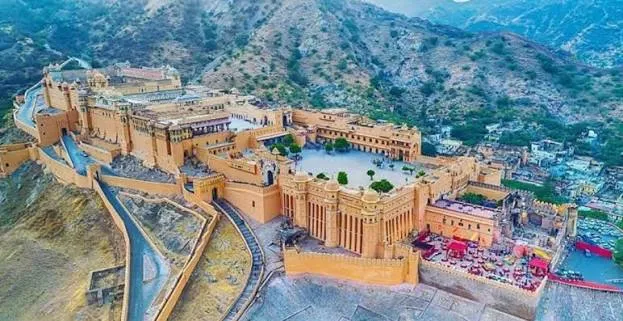

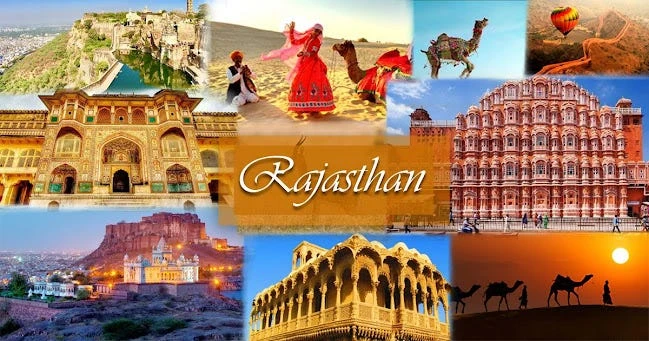
Jaipur, the vibrant capital of Rajasthan, is a destination where centuries-old royalty seamlessly meets lively street culture. Known globally as the Pink City, Jaipur presents a captivating blend of UNESCO World Heritage monuments, magnificent hilltop fortresses, and bustling historic bazaars. Planning a short getaway requires a structured itinerary to ensure you experience the absolute highlights without feeling rushed. As a dedicated tour operator in Rajasthan, Rajasthan Yatra has curated this field-tested, two-day sightseeing guide designed to help you discover the finest architecture, royal traditions, and culinary gems Jaipur has to offer.
Day 1: Exploring the Historic Walled City and Royal Landmarks
The first day focuses on the heart of Jaipur's UNESCO-listed Old City, where landmark monuments stand within walking distance of each other.
Morning: Hawa Mahal, City Palace, and Jantar Mantar
Begin your morning at 8:30 AM outside Hawa Mahal (Palace of Winds). Built in 1799 by Maharaja Sawai Pratap Singh, its five-story exterior features 953 small casements designed to allow royal women to observe street festivities unnoticed while catching cool breezes. The morning light offers the best photography conditions before traffic builds along the main road.
From Hawa Mahal, head directly into the City Palace complex. Still home to the titular Maharaja of Jaipur, the palace showcases a stunning fusion of Rajput and Mughal architecture. Walk through the Pritam Niwas Chowk to admire the four intricately decorated courtyard gates representing different seasons.
Directly adjacent lies Jantar Mantar, an 18th-century astronomical observatory constructed by Maharaja Sawai Jai Singh II. Home to the world’s largest stone sundial (Vrihat Samrat Yantra), the site features nineteen architectural astronomical instruments that remain accurate to this day. Hiring a government-certified guide here is strongly advised to properly understand how the stone instruments measure time and planetary positions.
Afternoon: Traditional Rajasthani Lunch and Albert Hall Museum
Take a midday break at a heritage restaurant near MI Road or Johari Bazaar to sample an authentic Rajasthani thali featuring Dal Baati Churma, Gatte ki Sabzi, and Ker Sangri.
Following lunch, visit the Albert Hall Museum situated in Ram Niwas Garden. As the oldest museum in Rajasthan, its Indo-Saracenic building houses rare collections of miniature paintings, Persian carpets, ivory carvings, and antique weaponry.
Evening: Shopping the Bazaars and Birla Mandir
Dedicate the late afternoon to exploring the traditional markets:
- Johari Bazaar: Famous for authentic Kundan, Meenakari, and precious gemstone jewelry.
- Bapu Bazaar: Best known for camel-leather footwear (mojris), traditional textiles, and Sanganeri print bedsheets.
- Tripolia Bazaar: Renowned for colorful lacquer bangles and brassware.
Conclude your evening with a quiet visit to Birla Mandir (Laxmi Narayan Temple), constructed from pure white marble at the base of Moti Dungri hill. The temple is especially serene when illuminated after sunset. Travelers looking for a streamlined experience covering these landmarks with private transport can book a dedicated jaipur full day tour.
Day 2: Hilltop Forts, Royal Cenotaphs, and Sunset Views
Day two takes you out of the central city along the scenic Aravalli hills to witness the formidable defensive architecture of the Kachwaha Rajputs.
Morning: Amer Fort and Jal Mahal
Depart your hotel early to reach Amer Fort (Amber Palace) by 8:30 AM before the tour buses arrive. Overlooking Maota Lake, this massive fort is constructed from yellow and pink sandstone and white marble.
Key sections to explore inside Amer Fort include:
- Sheesh Mahal (Mirror Palace): Built with thousands of imported convex glass mirrors that illuminate the hall under a single candle flame.
- Diwan-e-Aam and Diwan-e-Khas: Grand public and private audience halls with intricate marble columns.
- Sukh Niwas: An engineered royal apartment cooled by water channels flowing through the center.
On your return journey toward the city center, stop at the promenade overlooking Jal Mahal (Water Palace). Standing gracefully in the middle of Man Sagar Lake, this four-story submerged palace presents a striking photo stop against the backdrop of the surrounding hills.
Afternoon: Royal Gaitor Cenotaphs and Jaigarh Fort
After lunch, stop at Gaitor Ki Chhatriyan, the royal crematorium complex of the Kachwaha rulers tucked away in a quiet valley. The marble cenotaphs (chhatris) feature detailed stone carvings and provide a tranquil environment away from standard tourist crowds.
Next, drive up to Jaigarh Fort, known as the Fort of Victory. Built to protect Amer Fort below, Jaigarh houses the Jaivana Cannon, which was once the world’s largest cannon on wheels. The fort's rugged battlements and underground water reservoirs demonstrate the advanced military engineering of the era.
Evening: Nahargarh Fort Sunset and Rajasthani Dinner
End your 48-hour journey at Nahargarh Fort, perched high on the edge of the Aravalli range. The fort ramparts and the rooftop area near the Padao open-air cafe offer panoramic views of the entire Jaipur cityscape illuminated at dusk.
Travelers who wish to explore Jaipur at an unhurried pace—or add excursions to nearby historic hubs such as Abhaneri Stepwell and Samode Palace—can extend their stay through comprehensive jaipur three days tours.
Practical Travel Tips for Your Jaipur Visit
- Best Time to Visit: October to March offers pleasant daytime temperatures ideal for heritage walks.
- Composite Entry Tickets: Purchase the Rajasthan Tourism composite ticket at Amer Fort or Albert Hall to save time and money on major entry fees.
- Footwear & Attire: Wear comfortable walking shoes with good grip for fort ramparts, and dress respectfully when visiting religious shrines.





















Sign in to leave a comment.