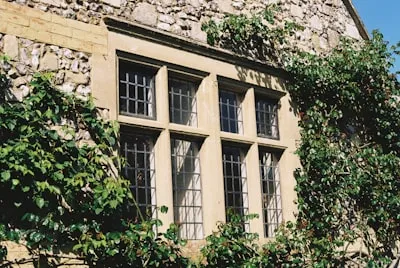

If you are thinking about new windows, casement windows are a smart place to start. They are simple, practical, and easy to match with many home styles. Their side-opening design can bring in more natural light and make each room feel open and bright. The right window frame material also changes how the window looks, performs, and lasts. In this guide, you will see how uPVC, timber, and aluminium options compare, plus what to expect from design, security, and upkeep.
Understanding Casement Windows
Casement windows are windows attached to the side of a frame with one or more hinges. They can be used on their own or as a pair within a common frame. Many people choose them because they are easy to open and offer a clean, practical look.
You may also notice opening casements shown in diagrams of casement windows. These drawings often help explain the hinged side, the swing direction, and how the glass panes sit within the frame. Next, it helps to look at how they work and which designs are available.
What Is a Casement Window and How Does It Work?
A casement window is a side-hinged window that opens like a door. In simple terms, casement windows work by swinging outward or inward from the hinged side. They may be installed as single units or in pairs inside one frame. Because the sash opens fully, you often get a generous glass area and strong natural light.
In many designs, a friction hinge or casement stay helps hold the sash in position once open. Some versions also use a crank, lever, or cam handle. These parts make the window easier to control, especially when you want just a small opening.
Security and function work together here. When closed, the sash presses against the frame, and the window lock helps keep it secure. This simple setup is one reason casement windows remain a popular choice.
Common Styles and Casement Windows Design Options
Casement windows come in many layouts, so they can fit both simple and more detailed homes. Some have a large glass area for a cleaner look, while others include extra features that give the window more character. This makes them useful for both practical rooms and feature spaces.
Popular modern designs often include:
- Side-opening windows next to a picture window for a bright, balanced view.
- Casement sections built into bay windows to add shape and airflow.
- Decorative details such as astragal bars and a range of colour options.
You can use these design choices to match the room and the outside of your home. Some people want a plain, modern finish. Others prefer a more traditional pattern. The next section looks at how material choice affects that final result.
Comparing uPVC, Timber, and Aluminium Casement Windows
Choosing between a uPVC casement window, timber, and aluminium starts with knowing what matters most to you. Each material changes the look of the window, the feel of the frame, and how it suits your home. Yet all three can be used to create effective casement windows with good access to natural light.
Some homeowners focus on appearance, while others care more about cleaning or long-term value. To make that easier, let’s compare the key differences first and then look at the style options for modern homes.
Material Overview and Key Differences
uPVC, timber, and aluminium all work well for casement windows, but they are not the same. The biggest differences are visual style, feel, and upkeep. Your choice of window frame material can also affect which glass options best match the final design.
| Material | Key points |
|---|---|
| uPVC | A practical choice with a clean finish, simple care needs, and wide use in modern homes. |
| Timber | A traditional material linked to period looks and long-standing use from the start of the Victorian era. |
| Aluminium | A sleek option often suited to sharper, more contemporary styling. |
In short, uPVC often appeals if you want low effort, timber suits classic character, and aluminium fits modern tastes. You may also wish to ask about available glass options and any year guarantee when comparing products from a supplier such as Premier Windows.
Aesthetic Choices for Modern Homes
The look of your windows can change the whole feel of a property. Casement windows are flexible, so they can work in period properties and new builds without looking out of place. It depends on the frame finish, the glazing layout, and how the design supports your home’s style.
For a more tailored result, you might look at:
- Slim, simple modern designs for new builds and cleaner front elevations.
- Traditional details that sit better with period properties.
- A coordinated finish that works alongside panel bifolds or French doors.
These choices help create a consistent look across the property. If you want windows to blend in, go simple. If you want them to stand out, use shape, bars, and colour carefully. Once style is clear, it makes sense to focus on everyday benefits next.
Benefits of Casement Windows
One of the main benefits of casement windows is how well they handle daily comfort. They are known for practical opening, broad views, and a design that can support energy efficiency. For many homes, that makes them a reliable option rather than just a visual choice.
They also perform well as part of natural ventilation strategies. Because the sash opens fully, you can guide fresh air into the room with more control than some different windows allow. The next two sections explain airflow and thermal performance in more detail.
Advantages for Ventilation and Airflow
Casement windows are strong performers when ventilation matters. Because the whole sash can swing open, they can catch and direct fresh air into a room. This makes them useful in natural ventilation strategies, especially in hot climates where airflow can improve comfort.
Another benefit is the level of control. You can open them a little or a lot, depending on conditions outside. That means better control of ventilation than some flush-opening styles. In architectural diagrams of casement windows, the point of the triangle often marks the hinged side and helps show how the opening works.
When closed, casement windows also tend to have lower air leakage rates than sliding windows. So you get airflow when you want it and a neater seal when you do not. That balance is a big reason many homeowners choose them.
Energy Efficiency Features of Casement Windows
Casement windows are often seen as a strong option for energy efficiency. When shut, the sash presses against the frame, creating a tight seal. That fit can help reduce unwanted drafts and support better thermal efficiency through the year.
Glazing also plays a major part. Double glazing and triple glazing can improve insulation and help limit heat transfer through the glass. If you are comparing new casement windows with other styles, this combination of sealing and glazing is a key point to consider.
Better thermal performance may support lower energy bills over time. It can also help rooms feel more stable in temperature, which many homeowners value. If warmth and comfort are priorities for you, casement windows are well worth a closer look.
Security Considerations for Casement Windows
Security is a major part of choosing any window, and casement designs have features that support everyday safety. The locking mechanism is built into how the sash closes against the frame, and a window lock or cam handle can add another useful layer of protection.
That matters for peace of mind, whether you are replacing older windows or planning a full upgrade. It also helps to know that safety features can vary by design and material. The next sections explain how the locks work and how uPVC, aluminium, and timber compare.
Locking Mechanisms and Safety Features
Casement windows can be very secure for home use when fitted properly. Their design helps because the sash closes firmly into the frame rather than sliding past it. A good locking mechanism adds to that secure fit and can improve day-to-day confidence.
Many casement windows use a lever, crank, or cam handle to operate the opening. In some designs, the cam handle also works with the window lock. This keeps operation simple while supporting safety features that homeowners expect from modern windows.
The result is greater peace of mind. You can open the window when needed and close it back into a stable, locked position with ease. If security is high on your list, checking how the lock engages with the frame is a sensible step.
uPVC vs Aluminium vs Timber Security Aspects
Security is not only about the lock. The frame material also plays a part in how solid the whole window feels. uPVC, aluminium, and timber can all be used in secure casement designs, but the exact result depends on the quality of the frame and locking mechanism.
uPVC is widely chosen for practical home upgrades, timber offers a strong traditional build, and aluminium is often linked to a firm, modern structure. In each case, the window lock needs to work cleanly with the sash and frame to do its job well.
So which is best? There is no single answer based on material alone. For real peace of mind, look at the complete window design, how the lock closes, and whether the frame feels robust in everyday use.
Maintenance and Cleaning Tips
Good maintenance keeps your windows looking better and working as they should. With casement windows, simple cleaning and regular checks can help protect the window frame, the opening action, and the overall finish. You do not need a complicated routine, just steady care.
Your upkeep plan will depend on the material you choose. uPVC often needs straightforward cleaning, while timber and aluminium may need a slightly different approach. The next sections share clear care tips for each option so you know what to expect.
Caring for uPVC Casement Windows
Caring for a uPVC casement window is usually simple. For most homes, regular cleaning is enough to keep the finish looking fresh. It also helps you spot dirt around the hinges, handle, and edge of the window frame before it builds up.
A few easy habits can help:
- Wipe the window frame with a soft cloth and mild cleaner.
- Clean the glass panes regularly so light stays clear and bright.
- Check that the opening action feels smooth and that dirt is not trapped near moving parts.
This kind of routine does not take long, but it makes a difference. If you stay on top of small jobs, your windows are more likely to keep looking neat and working properly. That same idea applies to timber and aluminium too, though the details differ slightly.
Upkeep for Timber and Aluminium Options
Timber and aluminium both benefit from regular upkeep, even though they have different finishes. The goal is the same: keep the window frame clean, check that the opening action stays smooth, and deal with small issues early rather than late.
Useful care steps include:
- Wipe down timber and aluminium surfaces to remove dirt and marks.
- Inspect corners, hinges, and handles during routine cleaning.
- Look over the frame finish now and then to make sure it still appears sound.
Timber often appeals because of its classic look, while aluminium is popular for a cleaner modern feel. Either way, steady care helps preserve the appearance and function of the window. Once maintenance is clear, it is easier to answer a few common buying questions.
Frequently Asked Questions (FAQ)
Curious about casement windows? Many people wonder how they offer such excellent thermal efficiency and energy savings. The tight seal of these open casements helps reduce energy bills while allowing for natural light and fresh air. Others ask about the different glass options available, like double or triple glazing. If you're looking for a stylish touch, variants like awning windows or bay windows can enhance your home’s style effortlessly. Feel free to reach out with any other questions!
Can casement windows be customised for unique spaces?
Yes, casement windows can suit unique spaces because the layout, opening side, and overall window frame can vary. You can choose a custom size, different glass panes, and left- or right-handed formats such as FCR windows. That makes casement uPVC windows a flexible option for awkward openings.
How do casement windows compare in price to other window styles?
Price depends on material, glazing, and design details. New casement windows can vary in affordability when compared with other window styles, especially if you choose upgraded glass options. A simple design is usually easier to budget for than a more detailed layout with added features.
What should I consider when choosing between aluminium and uPVC casement windows?
Think about the look you want, how much upkeep suits you, and how the material fits your home. Aluminium often suits sharper aesthetic choices, while uPVC is a practical favourite. You should also compare durability, energy efficiency, and the overall style of the finished window.
Conclusion
In conclusion, casement windows offer not only aesthetic appeal but also practical benefits that enhance the comfort and security of your home. Whether you opt for uPVC, timber, or aluminium, each material brings its unique advantages in terms of energy efficiency, ventilation, and maintenance. By understanding these factors, you can make an informed choice that aligns with your home's style and your personal preferences. Remember, the right casement windows can significantly improve both the functionality and look of your living space. If you’re ready to explore your options further, don’t hesitate to reach out for a free consultation to find the perfect solution for your home!























Sign in to leave a comment.