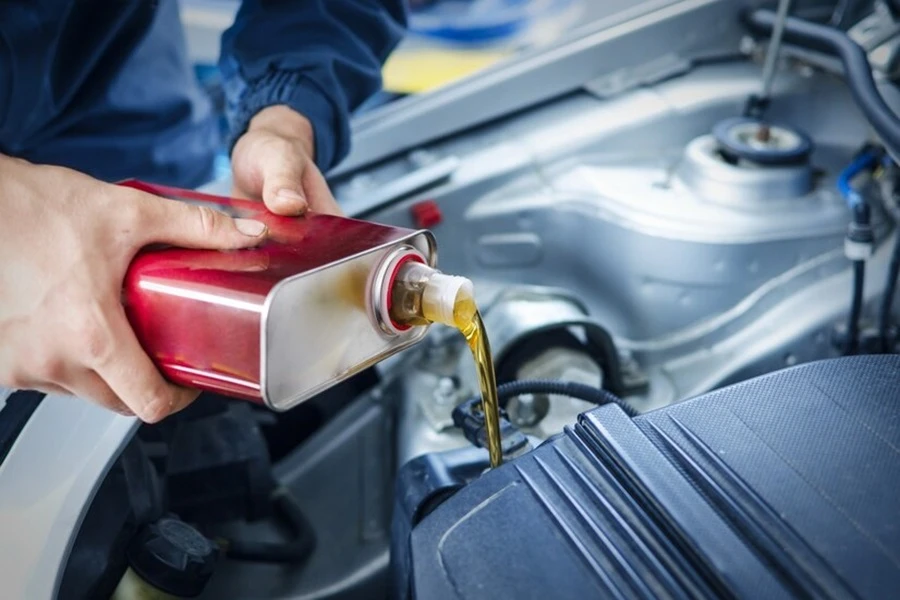

In the realm of modern engine technology, there's a vital component that often flies under the radar but plays a crucial role in reducing harmful emissions: Diesel Exhaust Fluid (DEF). Understanding DEF fluid and its function is not only essential for vehicle owners but also for the overall environmental impact of our transportation systems. In this blog, we'll delve into the depths of DEF fluid, exploring how it works and why it's indispensable for modern engines.
What is DEF Fluid?
DEF fluid, also known as diesel exhaust fluid, is a mix of clean water and urea used in diesel engines to cut down on harmful emissions. It's used in something called selective catalytic reduction (SCR) systems, which change nitrous oxide (NOx) into water and nitrogen, which are safe for the environment. About 67.5% of DEF is water, and 32.5% is urea.
Using DEF in SCR systems has been proven to save around 5% to 9% more fuel compared to other systems like exhaust gas recirculation (EGR).
The demand for DEF is expected to grow a lot in the next few years, as we become more aware of climate change and the importance of reducing emissions. Technology related to DEF, like vehicle monitoring systems, is also likely to become more popular.
The market for DEF is split up by region, company, type, and application. It's predicted to grow quite a bit between 2023 and 2028. This growth will be seen in regions like North America, Europe, Asia-Pacific, South America, and the Middle East and Africa.
In short, DEF is important for cutting down on harmful emissions from diesel engines, and it's expected to become even more crucial as we focus more on reducing emissions to protect our planet.
How DEF Fluid Works in Modern Engines
DEF fluid, or Diesel Exhaust Fluid, is really important for modern diesel engines. It helps reduce harmful emissions by treating exhaust gases. DEF is made from clean water and urea, and it works by breaking down harmful pollutants into harmless substances.
Details:
DEF fluid is made from 32% urea and 68% clean water. It doesn't have any extra additives like anti-freeze agents or corrosion inhibitors.When injected into the exhaust, DEF turns into ammonia and carbon dioxide when heated. These then react with harmful emissions like nitrogen oxide (NOx), changing them into harmless nitrogen and water vapor.
Using DEF can cut down on NOx emissions by up to 90%, reduce particulate matter by over 50%, and soot by 70%. It's especially important for newer diesel engines that have to follow strict emissions rules.
How much DEF you need depends on your engine and tank size. Usually, you'll need about 1 gallon of DEF for every 200 gallons of fuel. Make sure you don't let the DEF tank run empty completely, and refill it when there's still a bit left to avoid running out.
Never mix DEF with diesel fuel, as it can cause damage to your engine and mess up the emission control systems.
DEF fluid is super important for modern diesel engines to keep harmful emissions low and follow environmental rules. It plays a big role in making sure our air stays clean and our engines run smoothly. Understanding how to use DEF properly is key for keeping our vehicles running well and reducing pollution for a better future.
Importance of DEF Fluid for Modern Engines
Diesel Exhaust Fluid (DEF) is a critical component in modern diesel engines, playing a pivotal role in reducing harmful emissions and ensuring compliance with stringent environmental regulations. Understanding the importance of DEF fluid is essential for diesel vehicle owners and operators to maintain optimal engine performance and contribute to a cleaner environment.
Significance of DEF Fluid in Modern Engines
DEF fluid serves several crucial functions in modern diesel engines:
Emission Reduction: DEF, when used in conjunction with Selective Catalytic Reduction (SCR) technology, significantly reduces nitrogen oxide (NOx) emissions from diesel vehicles. By facilitating a chemical reaction that converts NOx into harmless nitrogen and water vapor, DEF plays a vital role in minimizing air pollution and promoting cleaner air quality.
Environmental Protection: The utilization of DEF helps mitigate the adverse effects of nitrogen oxide exposure on human health and the environment. Without DEF, diesel engines emit high levels of NOx, which can lead to respiratory issues, environmental pollution, haze, and acid rain.
Compliance with Regulations: Diesel vehicles equipped with SCR systems and DEF injection adhere to federal emissions standards set by regulatory bodies like the Environmental Protection Agency (EPA). Failure to use DEF can result in non-compliance with emission regulations and potential vehicle performance issues.
Fuel Efficiency: DEF contributes to improving fuel efficiency in diesel engines by approximately 3% to 4%. This efficiency enhancement not only reduces fuel consumption but also lowers carbon emissions, making it an environmentally friendly choice for vehicle owners.
Engine Protection: Proper usage of DEF ensures that the SCR system functions optimally, protecting the engine from premature wear and damage caused by excessive NOx emissions. Regular maintenance of DEF levels is crucial to prevent system malfunctions and maintain engine longevity.
Importance of Proper DEF Handling
To maximize the benefits of DEF fluid and avoid potential issues, it is essential to handle and store DEF properly:
Contamination Prevention: Contamination of DEF can occur if it comes into contact with oils, grease, or other chemicals. Proper storage practices involve keeping DEF in its original container away from other fluids and using designated nozzles to prevent cross-contamination.
Temperature Control: DEF freezes at 12°F (-11°C) and can degrade if exposed to high temperatures. Storing DEF in a cool, dry place away from extreme temperatures is crucial to prevent damage to equipment and ensure its effectiveness in reducing emissions.
Evaporation Management: Evaporation of DEF can lead to volume loss and unexpected depletion. Sealing containers tightly when not in use and monitoring fluid levels regularly can help prevent evaporation-related issues and ensure a continuous supply of DEF for vehicles.
Diesel Exhaust Fluid (DEF) is indispensable for modern diesel engines, offering a range of benefits including emission reduction, environmental protection, regulatory compliance, fuel efficiency improvement, and engine protection. Proper handling and storage practices are essential to maximize the advantages of DEF fluid while avoiding potential issues associated with contamination, temperature fluctuations, and evaporation. By understanding the significance of DEF fluid and following best practices for its usage, diesel vehicle owners can contribute to a cleaner environment and ensure optimal engine performance.
Conclusion
In conclusion, DEF fluid is a critical component of modern engine technology, playing a pivotal role in reducing harmful emissions and ensuring compliance with emissions regulations. By understanding how DEF fluid works and its importance for modern engines, vehicle owners can make informed decisions about their environmental impact and overall engine performance. As we continue to prioritize sustainability and environmental responsibility, DEF fluid will undoubtedly remain a cornerstone of cleaner, more efficient transportation systems.


























Sign in to leave a comment.