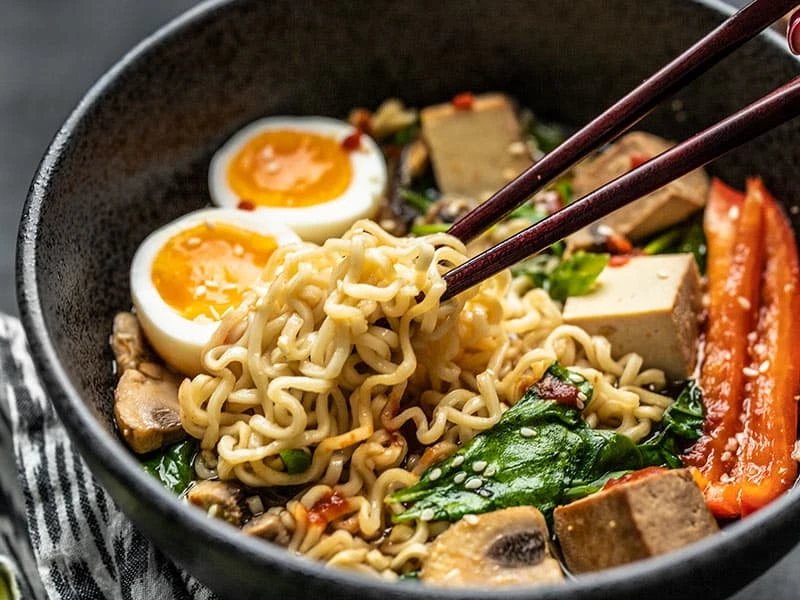

Ramen noodles have been a beloved comfort food for centuries, originating in China and finding their way into the hearts and palates of people worldwide. In recent years, a growing appreciation for healthier and more sustainable food options has led to the emergence of organic ramen noodles, offering a nutritious twist on this classic dish. In this article, we will delve into the world of organic ramen noodles, exploring their benefits, production methods, and how they contribute to a more environmentally-conscious culinary experience.
The Rise of Organic Ramen
Organic ramen noodles have gained popularity due to their commitment to natural, high-quality ingredients. These noodles are made using certified organic flour, which is grown without the use of synthetic pesticides, herbicides, or genetically modified organisms (GMOs). This ensures that the final product is free from harmful chemicals, making it a healthier choice for consumers.
Nutritional Benefits
Organic ramen noodles offer a host of nutritional benefits compared to their conventional counterparts. They are typically higher in fiber, vitamins, and minerals, thanks to the use of whole grains and organic farming practices. Additionally, they often contain fewer artificial additives and preservatives, providing a cleaner and more wholesome dining experience.
Sustainable Farming Practices
One of the key advantages of organic ramen noodles lies in the sustainable farming practices employed in their production. Organic farmers prioritize soil health and biodiversity, using techniques like crop rotation, composting, and natural pest management to maintain a balanced ecosystem. This not only benefits the environment but also ensures the long-term viability of farming communities.
Reduced Environmental Impact
Choosing organic ramen noodles can also have a positive impact on the environment. Organic farming practices tend to use less water and energy, emit fewer greenhouse gases, and promote soil conservation. Additionally, by avoiding the use of synthetic chemicals, organic farming helps prevent water pollution and minimizes harm to non-target species.
Flavor and Texture
Beyond their nutritional and environmental benefits, organic ramen noodles are prized for their superior flavor and texture. Made from high-quality organic wheat or alternative grains like brown rice or buckwheat, these noodles boast a richer, nuttier taste compared to their mass-produced counterparts. They also tend to have a firmer, chewier texture that stands up well to the flavorful broths and toppings commonly associated with ramen.
Versatility in Culinary Creations
Organic ramen noodles are incredibly versatile and can be used in a wide range of culinary creations. From traditional ramen dishes with a hearty broth, to stir-fries and cold noodle salads, the possibilities are endless. Their robust flavor profile and satisfying texture make them a favorite among chefs and home cooks alike.
Conclusion
Organic ramen noodles represent a delicious and nutritious alternative to conventional instant noodles. With their commitment to organic farming practices, reduced environmental impact, and superior taste and texture, they are a standout choice for those seeking a healthier and more sustainable culinary experience. By incorporating organic ramen noodles into our diets, we not only support our own well-being but also contribute to a more environmentally-conscious food system for generations to come. So why not treat yourself to a bowl of organic ramen and savor the flavors of a truly wholesome comfort food?





































Sign in to leave a comment.