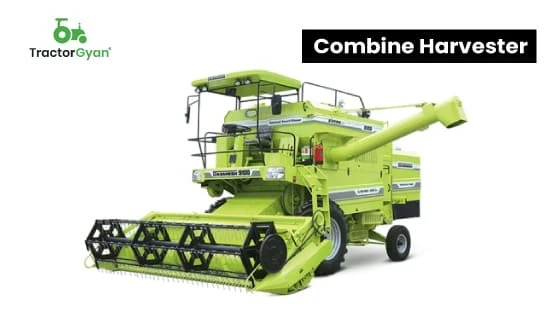

Tractor combine harvesters have become a cornerstone of modern agricultural practices in India, revolutionizing the harvesting process and bringing forth significant economic advantages. This exploration delves into the multifaceted benefits these machines offer to Indian farmers and the broader agricultural landscape.
Increased Efficiency and Productivity: Tractor combine harvesters streamline the harvesting process, allowing farmers to cover more acreage in less time. This enhanced efficiency translates to increased overall productivity, ensuring timely harvests and maximizing yield potential.
Labor Savings: The mechanized operation of combine harvesters significantly reduces the need for manual labor during harvesting. This not only addresses labor scarcity issues but also lowers labor costs, contributing to overall farm profitability.
Timely Harvests, Reduced Crop Loss: Timely harvesting is crucial for crop quality and minimizing post-harvest losses. Tractor combine harvesters enable farmers to harvest crops at their optimal maturity, reducing the risk of crop spoilage and ensuring a higher market value.
Versatility Across Crops: Tractor combine harvesters are designed to handle various crops, from cereals to oilseeds. This versatility makes them valuable assets for farmers engaged in diverse crop cultivation, promoting crop rotation and sustainable farming practices.
Cost-Effective Operation: While the initial investment in a tractor combine harvester is significant, the long-term cost-effectiveness is realized through labor savings, increased efficiency, and reduced dependence on multiple pieces of equipment. Over time, the cost per harvested unit decreases.
Optimized Fuel Consumption: Modern tractor combine harvesters are designed for fuel efficiency, minimizing the operational costs associated with harvesting. This is especially important in the context of fluctuating fuel prices and the overall sustainability of farming practices.
Enhanced Crop Quality: Mechanized harvesting with combine harvesters ensures a uniform and clean harvest, contributing to better crop quality. This is crucial for meeting quality standards and enhancing the marketability of the produce.
Market Access and Profitability: Timely and quality harvests facilitated by tractor combine harvesters improve farmers' access to markets. The availability of high-quality produce enhances market competitiveness, leading to better prices and overall profitability.
Adaptation to Modern Farming Trends: Tractor combine harvesters align with the trend towards modern and precision farming. Farmers adopting these technologies are better positioned to benefit from government initiatives and support programs aimed at promoting advanced farming practices.
Farm Diversification and Expansion: The economic benefits derived from tractor combine harvesters empower farmers to consider diversifying their crops or expanding their farming operations. This contributes to the overall resilience and sustainability of the agricultural sector.
Conclusion: In the evolving landscape of Indian agriculture, tractor combine harvesters emerge as catalysts for economic growth, offering a spectrum of benefits ranging from increased efficiency and labor savings to optimized crop quality and market competitiveness. As farmers embrace these technological advancements, the trajectory of Indian agriculture is poised for sustained prosperity.


























Sign in to leave a comment.