
introduction
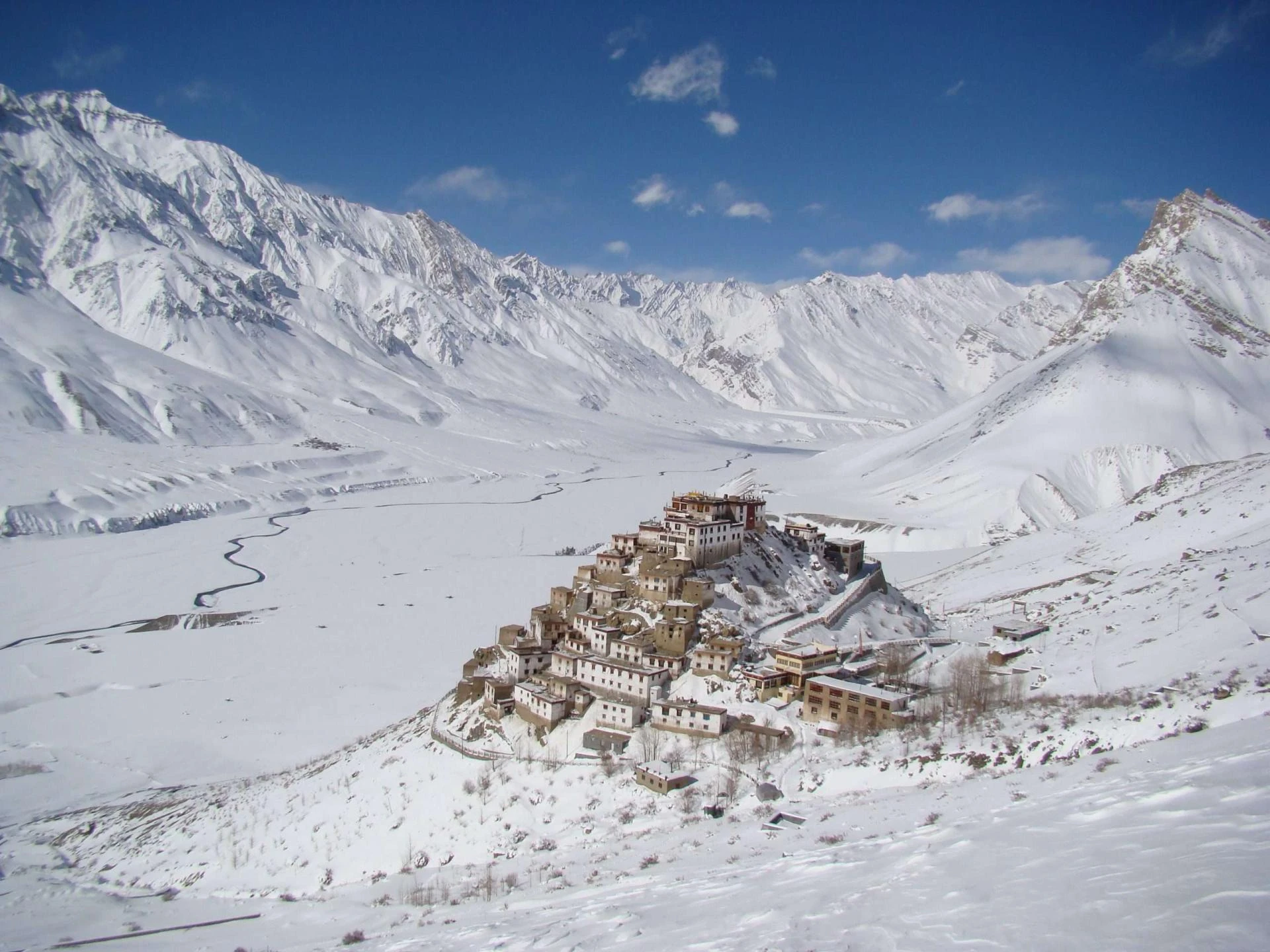
Nestled in the remote corner of Himachal Pradesh, India, lies a hidden gem that has recently gained recognition among adventurous travelers and nature enthusiasts: Spiti Valley. Often referred to as "Little Tibet" due to its cultural and geographical similarities to the Tibetan Plateau, Spiti Valley offers an unparalleled experience of breathtaking landscapes, ancient monasteries, and a unique way of life. In this article, we will take you on a virtual journey through this captivating destination.
Geography and Location
Spiti Valley is situated in the northern part of Himachal Pradesh, bordering Tibet to the east and the Indian state of Ladakh to the north. It is a high-altitude cold desert region, characterized by stark, barren landscapes, deep gorges, and towering snow-capped peaks. The valley is crisscrossed by the Spiti River, which originates from the Kunzum Pass.
Awe-Inspiring Landscapes
The rugged beauty of Spiti Valley is truly unparalleled. The stark contrast between the barren, rocky terrain and the vivid blue skies is a sight to behold. Visitors can explore various terrains, from lush green meadows to vast deserts. Key attractions include:
Chandratal Lake: Often called the "Moon Lake," this high-altitude lake is known for its pristine blue waters surrounded by snow-capped mountains. It's a popular camping spot and a great place for stargazing. Kaza: The main town in Spiti Valley, Kaza serves as a gateway for travelers. It's home to the ancient Key Monastery, which offers panoramic views of the valley. Dhankar Monastery: Perched precariously on a cliff, Dhankar Monastery offers breathtaking views and is a great place to witness the traditional Buddhist way of life.Kibber: One of the highest inhabited villages in Asia, Kibber offers a glimpse into the traditional Spitian lifestyle. Pin Valley National Park: This park is home to unique flora and fauna, including the endangered snow leopard. It's a paradise for wildlife enthusiasts.Cultural Richness
Spiti Valley is predominantly Buddhist, and its culture is deeply influenced by Tibetan Buddhism. The monasteries here are not just religious centers but also architectural marvels. Visitors can partake in Buddhist rituals and festivals and witness the harmonious coexistence of Buddhism and nature. The warm hospitality of the locals adds to the cultural experience.
Challenges of Travelling in Spiti Valley
While Spiti Valley offers an incredible experience, it's essential to be prepared for the challenges that come with high-altitude travel. The region remains cut off from the rest of India for most of the year due to heavy snowfall, and road access can be difficult. Altitude sickness is also a concern, so acclimatization is crucial.
Best Time to Visit
The best time to visit Spiti Valley is from late May to early October when the roads are open, and the weather is relatively mild. During the winter months, Spiti Valley is virtually inaccessible.
In Conclusion
Spiti Valley is not just a destination; it's an experience that will leave you awe-struck and spiritually enriched. Its pristine beauty, unique culture, and warm-hearted locals make it a must-visit for anyone seeking an offbeat adventure in the lap of the Himalayas. Just remember to respect the delicate ecosystem and immerse yourself fully in the serenity of "Little Tibet."























Sign in to leave a comment.