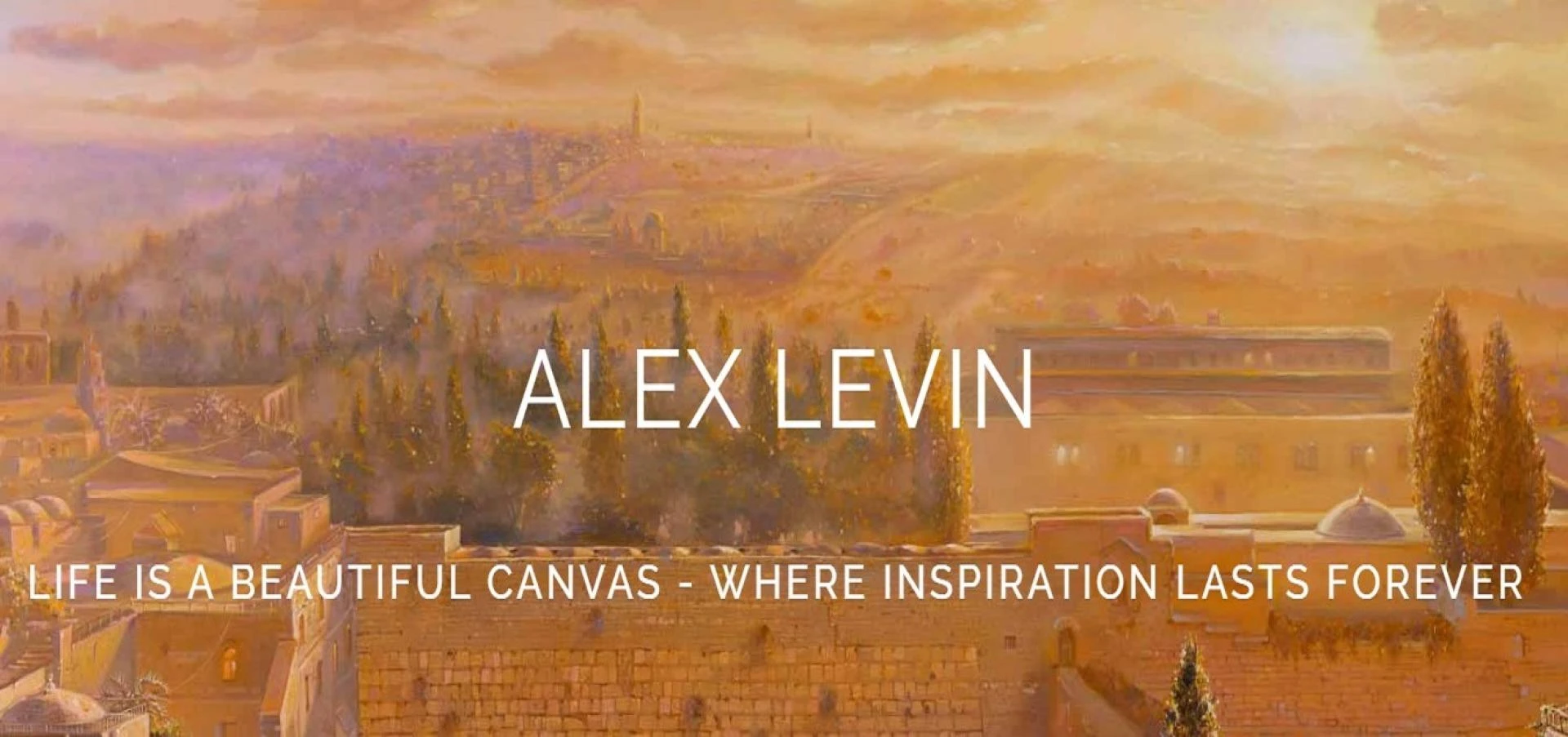

Art has always played an important role in Jewish culture, from illuminated manuscripts to synagogue decorations to contemporary art. Similarly, the city of Jerusalem has been a center of art and culture for thousands of years, with its rich history and diverse communities serving as inspiration for countless artists. The intersection of Jewish art and Jerusalem is therefore a fascinating topic, offering insight into the cultural and historical significance of both. By exploring this intersection, we can gain a deeper understanding of the art and culture of the Jewish people, as well as the role of Jerusalem as a center of art and creativity. In this guest post, we will take a journey through history and culture, exploring the fascinating intersection of Jewish art and Jerusalem, and discovering the beauty and meaning of this unique and important cultural phenomenon.
Definition of Jewish art and Jerusalem art:
Jewish art refers to the art produced by Jewish artists or created for Jewish communities. It encompasses a wide range of media, including painting, sculpture, architecture, textiles, and decorative arts. Jewish art often reflects Jewish culture, religion, and history, and it can be found in synagogues, homes, museums, and galleries around the world.
Jerusalem art, on the other hand, refers to the art produced in Jerusalem, a city with a long and rich history that has been a center of art and culture for thousands of years. Jerusalem art encompasses a diverse range of styles and media, including Islamic, Christian, and Jewish art, and it reflects the city's multicultural and multi-religious heritage.
Importance of exploring the intersection of the two:
The intersection of Jewish art and Jerusalem art is an important area of study, as it offers insight into the cultural and historical significance of both. Jewish art has a long history in Jerusalem, with Jewish artists contributing to the city's rich artistic heritage for centuries. The art of Jerusalem, in turn, has had a profound impact on Jewish art, serving as a source of inspiration and influencing the development of Jewish art styles.
Moreover, exploring the intersection of Jewish art and Jerusalem art can provide a deeper understanding of the relationship between Jewish culture and the city of Jerusalem, which has played a central role in Jewish history and identity for thousands of years. By studying the art produced in and for Jewish communities in Jerusalem, we can gain a better appreciation of the values, beliefs, and traditions that have shaped Jewish culture over time.
Brief overview of the history and culture of Jewish art and Jerusalem:
Jewish art has a long history that dates back to ancient times, with examples of Jewish art found in archaeological sites throughout the Middle East and Europe. Over the centuries, Jewish art has evolved in response to changing cultural and religious contexts, incorporating elements of local styles and traditions while retaining a distinctive Jewish identity.
Jerusalem, too, has a long and rich artistic heritage, with evidence of art production dating back to the Bronze Age. Over the centuries, the city has been home to numerous cultures and religions, each leaving its mark on the city's art and architecture. From the Islamic art of the Dome of the Rock to the Christian art of the Church of the Holy Sepulchre to the Jewish art of the Western Wall, Jerusalem's artistic heritage is as diverse as its inhabitants. Today, Jerusalem remains a vibrant center of art and creativity, attracting artists and visitors from around the world.
History of Jerusalem art:
The history of Jerusalem art is a rich tapestry of cultural and religious influences that have shaped the city's artistic traditions over time. From the early Canaanite period to the present day, the city has been a center of artistic production, with each new era bringing new styles and techniques. In particular, Jerusalem has played a significant role in the development of religious art, with the city's many holy sites inspiring countless artists over the centuries.
Types of Jerusalem art:
Jerusalem art encompasses a wide range of styles and media, reflecting the city's diverse cultural and religious heritage. Some of the most notable types of Jerusalem art include Islamic art, which is characterized by intricate geometric patterns and calligraphy; Christian art, which often features biblical scenes and figures; and Jewish art, which ranges from illuminated manuscripts to contemporary art. Other types of Jerusalem art include folk art, such as embroidery and ceramics, and modern art, which reflects the city's ongoing artistic vitality. Regardless of the style or medium, Jerusalem art is distinguished by its beauty, complexity, and deep connection to the city's history and culture.
Conclusion:
In conclusion, exploring the intersection of Jewish art and Jerusalem art offers a fascinating glimpse into the cultural and historical significance of both. Jewish art and Jerusalem art are deeply intertwined, with each enriching the other and reflecting the values and beliefs of the Jewish people and the city of Jerusalem. By studying the art produced in and for Jewish communities in Jerusalem, we can gain a deeper appreciation of the cultural and religious traditions that have shaped Jewish identity over time. Similarly, by exploring the Jerusalem paintings, we can gain a deeper understanding of the city's rich history and diverse cultural heritage.
























Sign in to leave a comment.