
Poetry has traditionally been a means of expressing strong feelings, thinking about life\'s riddles, and analyzing the human situation. Poetry has a special ability to comment on society in addition to being a vehicle for self-expression and contemplation. Poets have challenged injustice, criticized social standards, and sparked change throughout history by using their craft. This article takes the reader on a journey to investigate the relationship between poetry and social commentary, looking at the ways that poets have used their words to shed light on important topics of the day.
The Role of Poetry in Society
Poetry has always occupied a unique position in society, serving as a window reflecting the general awareness of a community or period. The art form has functioned as a medium of communication, preservation, and cultural expression throughout history, from the epic poetry of ancient civilizations to the revolutionary rhymes of contemporary poets. Poets, as defenders of language and symbols, can influence public opinion and subvert dominant ideologies with their words.
Voices of Dissent
Being a voice of dissent is one of poetry\'s most effective social critique modes. Poets have always been at the forefront of social movements, using their poetry to speak out against injustice, demand change, and give voice to those who are excluded. From Langston Hughes\' revolutionary fervor to Lord Byron\'s passionate defiance, poets have risked to speak truth to power, frequently at considerable personal peril.
Exploring Injustice and Inequality
Poetry not only critiques power structures but also functions as a medium for delving into the intricacies of injustice and inequity. Poets illuminate the living realities of people on the periphery of society using vivid imagery, metaphor, and allegory, urging readers to face hard realities and find compassion for others. Poetry has the ability to alter our perceptions and start important conversations about social concerns, as seen by the scathing critiques of racial inequality by authors like Maya Angelou and the unwavering portrait of female perseverance by Rupi Kaur.
Inspiring Empathy and Compassion
Poetry\'s power to elicit empathy and sympathy in readers extends beyond its critical abilities. Poets provide room for understanding and connection beyond boundaries by letting us inside the inner lives of others. Poetry builds a bridge between people and communities by using the power of language to create a sense of shared humanity that cuts across ideological, geographical, and cultural divides.
Conclusion
Poetry continues to be an enduring form for examining the intricacies of our reality and testifying to the challenges and victories of the human spirit in the dynamic fabric of the human experience. Let us take to heart the advice of poets, both past and present, as we continue to confront the difficulties of our day. They serve as a reminder of the ability of words to influence our thoughts, refute our presumptions, and motivate us to work toward a society that is more compassionate and just.
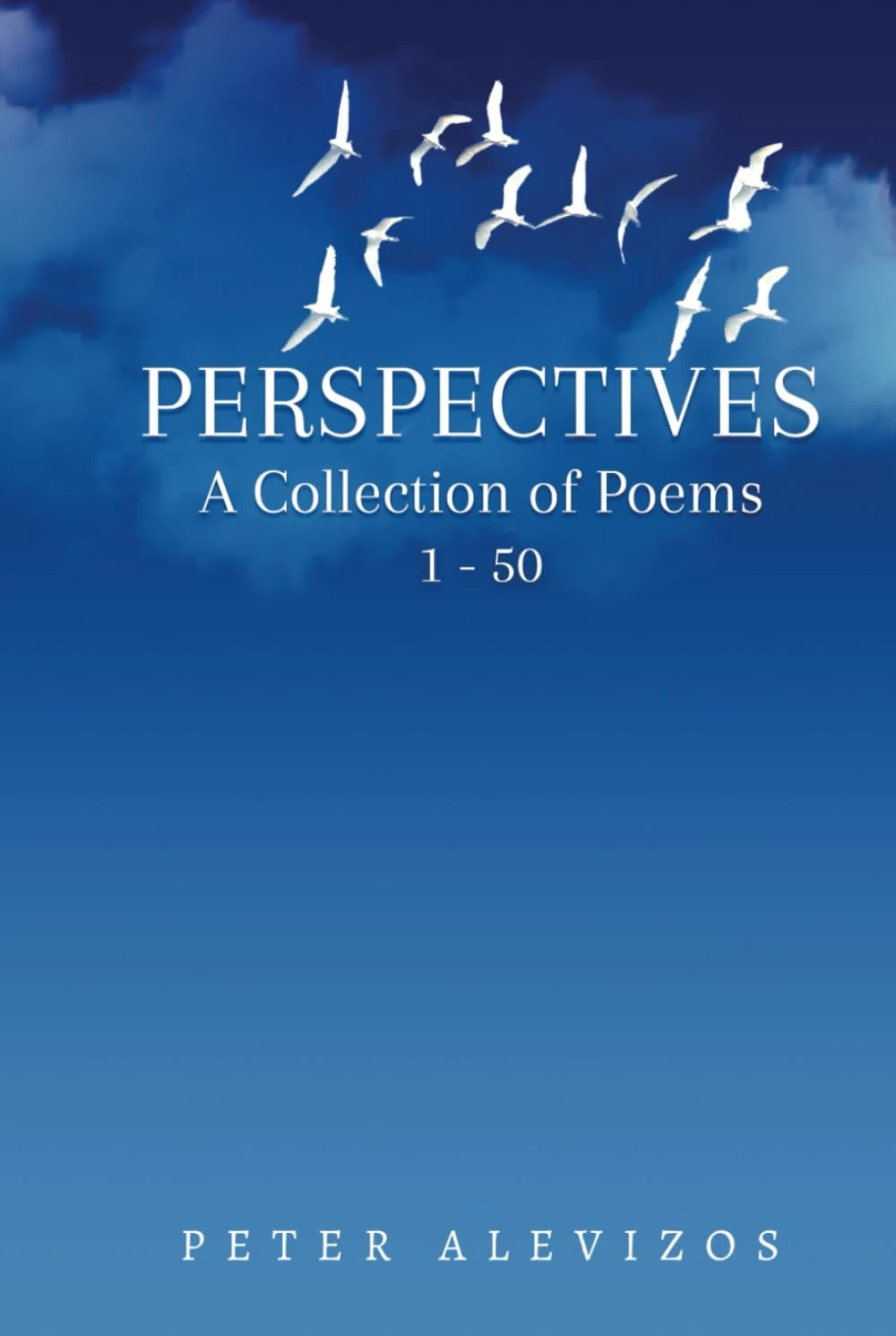
Embark on a profound journey through the pages of "Perspectives: A Collection of Poems 1 - 50" by Peter Alevizos. Delve into the depths of human experience as Alevizos masterfully intertwines poetry with social commentary, inviting readers to explore the intricate intersections of society, politics, and the human condition. Each poem offers a unique perspective, a glimpse into the beauty and sorrows of the world, and a call to action for change. Let these verses inspire you, challenge you, and ignite a passion for exploring the profound impact of poetry on our understanding of the world.









Sign in to leave a comment.