
Introduction
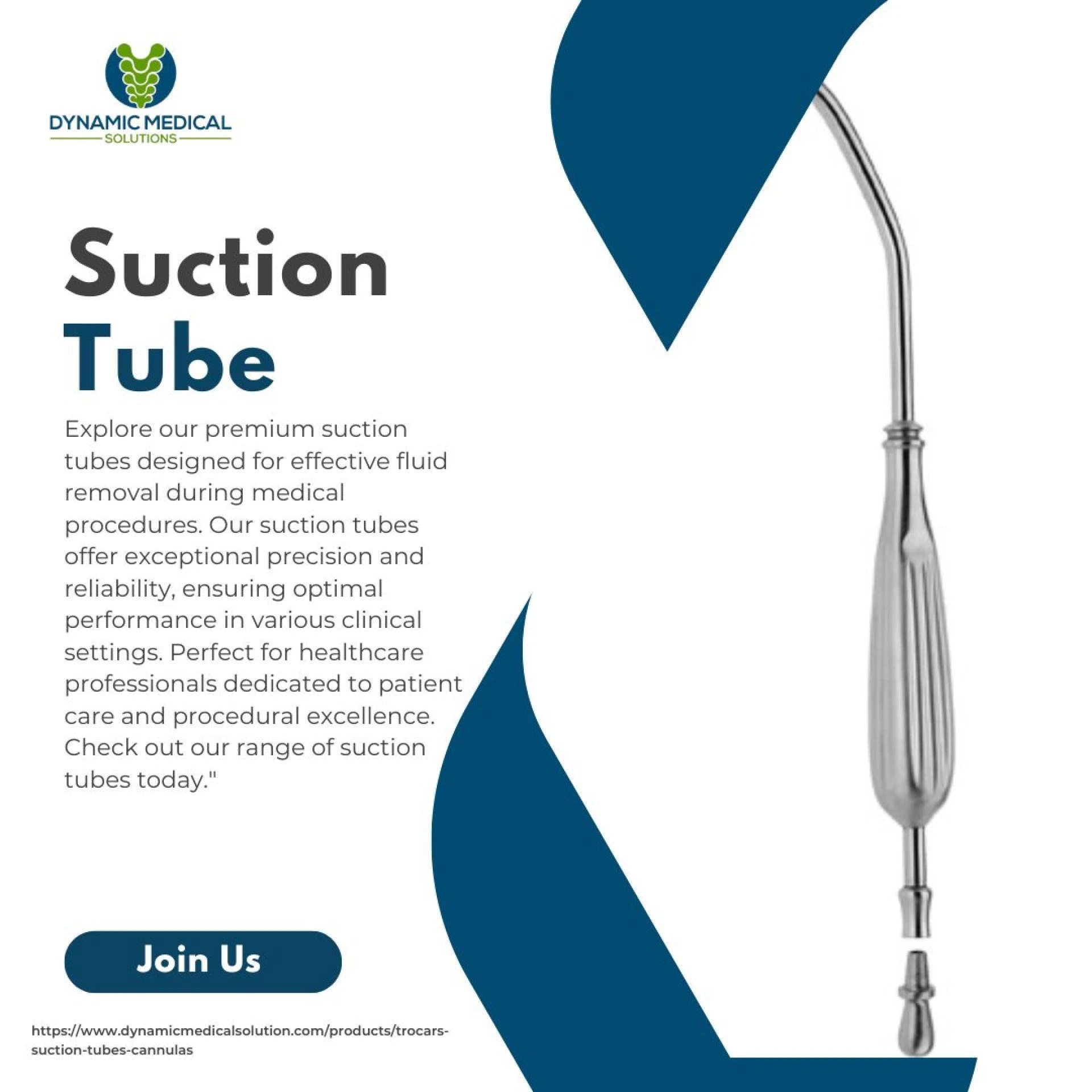
Suction tubes are versatile tools with a wide range of applications across various fields. Their primary function is to remove unwanted fluids and debris, making them indispensable in many industries. This article explores the extensive scope of suction tube, highlighting their importance and diverse uses.
Medical Applications
Surgical Procedures
In the medical field, suction tubes are crucial during surgical procedures. They efficiently remove blood, bodily fluids, and debris, ensuring a clear view for surgeons. This enhances the precision of the surgery and reduces the risk of infection.
Emergency Medicine
Suction tubes are lifesavers in emergency medicine. They quickly clear airways of obstructions such as blood or mucus, allowing patients to breathe properly. This rapid response can prevent asphyxiation and stabilize patients for further treatment.
Dental Procedures
Dentists rely on suction tubes to maintain a clear working area. These tubes remove saliva, blood, and other debris from the mouth, making dental procedures more effective and comfortable for patients.
Postoperative Care
After surgery, suction tubes help drain fluids from surgical sites. This prevents fluid buildup, reducing the risk of infection and promoting faster healing and recovery.
Diagnostic Procedures
During endoscopic and bronchoscopic procedures, suction tubes remove secretions and fluids. This provides a clear view for physicians and improves the accuracy of diagnostic and therapeutic processes.
Industrial Applications
Manufacturing Processes
In manufacturing, suction tubes maintain clean production lines. They remove waste materials like dust and debris, preventing contamination and ensuring smooth operation of machinery.
Environmental Cleanup
Suction tubes play a vital role in environmental cleanup efforts. They remove hazardous substances such as oil spills and chemical waste from polluted sites, protecting the environment and public health.
HVAC Systems
In HVAC systems, suction tubes remove dust and debris, ensuring efficient operation and clean air delivery. This improves indoor air quality and system performance.
Automotive Industry
In the automotive industry, suction tubes extract fluids like oil and coolant during maintenance and repair. This keeps vehicle systems free from contaminants and functioning efficiently.
Laboratory and Research Applications
Sample Collection
Suction tubes are essential in laboratories for collecting fluid and gas samples. Their precision prevents contamination, ensuring accurate analysis and results.
Chemical Processing
In chemical processing, suction tubes remove excess liquids and gases from reaction vessels. This ensures accurate measurements and prevents unwanted reactions, enhancing safety and efficiency.
Pharmaceutical Manufacturing
Pharmaceutical manufacturing relies on suction tubes to handle liquid and powdered substances. They maintain a clean production environment, preventing cross-contamination and ensuring product integrity.
Veterinary Medicine
Surgical Procedures
Suction tubes are as crucial in veterinary surgeries as in human medicine. They clear fluids from surgical sites, allowing veterinarians to operate with precision and reducing infection risks.
Routine Care
Veterinarians use suction tubes to clear airways in animals experiencing respiratory distress. They also remove fluids from wounds and abscesses, promoting faster healing.
Choosing the Right Suction Tube
Selecting the appropriate suction tube depends on the specific application. Consider factors such as procedure type, material, and design features to ensure optimal performance.
Maintenance and Care
Proper maintenance and care are essential for the longevity and effectiveness of suction tubes. Regular cleaning, disinfection, and inspection for wear and tear are crucial.
Cleaning Guidelines
- Pre-Cleaning: Rinse the suction tube with water immediately after use.
- Disinfection: Use a suitable disinfectant to clean the tube thoroughly.
- Sterilization: Follow the manufacturer\'s guidelines for sterilization.
Inspection and Replacement
Regularly inspect suction tubes for cracks, blockages, and wear. Replace them if they show significant signs of damage or wear and tear.
Conclusion
Suction tubes play a crucial role in various fields, from medicine to industry and research. Their ability to effectively remove unwanted materials ensures clean, safe, and efficient environments. Understanding their diverse applications and maintaining them properly is essential for achieving the best results. For more details visit our website Dynamic medical.





























Sign in to leave a comment.