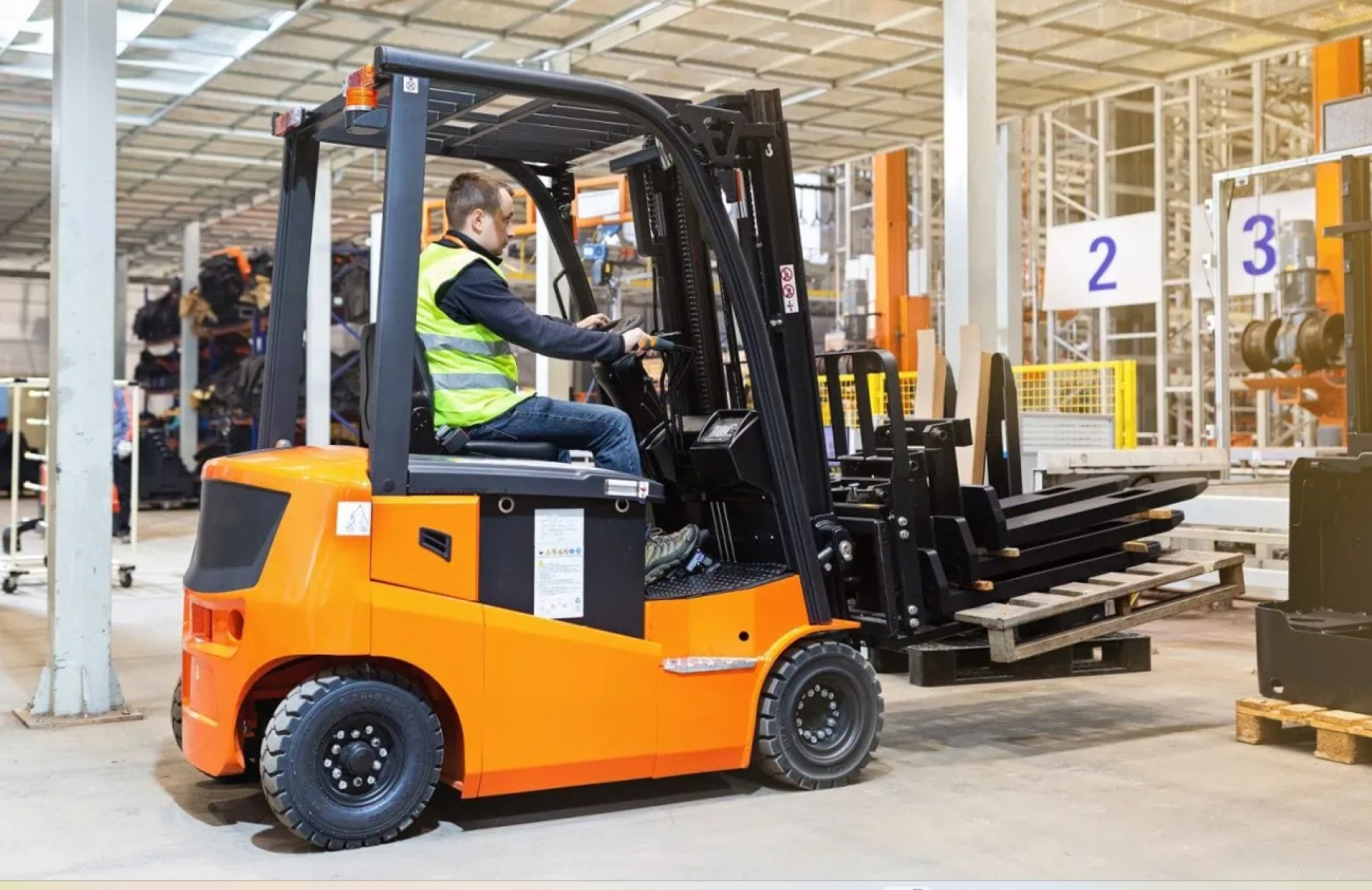
Forklifts are essential tools in warehouses, factories, and logistics hubs, yet many underestimate the technology that powers these versatile machines. Beyond their simple appearance, forklifts integrate advanced systems that enhance performance, safety, and adaptability in modern industrial operations.
1. Power Systems: Fueling Performance
Forklifts operate using a variety of power sources. Traditional internal combustion engines, running on diesel, gasoline, or propane, remain common for heavy-duty and outdoor applications due to their strong torque and extended runtime. Meanwhile, electric forklifts are gaining popularity in indoor environments for their quiet operation and zero emissions. Lithium-ion batteries, in particular, offer fast charging, longer operational cycles, and consistent performance even under heavy loads. Many electric models also feature regenerative braking, which captures energy during deceleration to extend battery life.
2. Hydraulic Mechanisms
Hydraulic systems are crucial for lifting, tilting, and moving loads. High-pressure hydraulic pumps drive cylinders that control the mast and forks. Modern forklifts often employ electronically controlled hydraulics, which provide precise movements, smoother handling, and energy efficiency. Some systems even adjust hydraulic pressure based on load weight, ensuring stability and reducing wear.
3. Maneuverability and Steering
Forklifts are designed to operate in tight spaces, with rear-wheel steering providing a tight turning radius. Advanced models incorporate power-assisted steering to reduce operator effort and improve control. Some warehouses now deploy semi-automated or fully automated navigation systems, allowing forklifts to move through complex layouts safely and efficiently.
4. Safety Innovations
Safety remains a top priority in forklift design. Current models include features such as operator presence detection, which prevents movement unless the driver is seated correctly, load sensors that alert operators to imbalances, and collision avoidance systems using cameras and sensors. Speed limiting and zone-based controls further protect both workers and inventory.
5. Connectivity and Fleet Management
Modern forklifts often include telematics systems, enabling managers to monitor battery health, usage patterns, and maintenance schedules in real time. This data allows for predictive maintenance, preventing unexpected downtime and improving fleet efficiency. Analytics from these systems can also inform operator training and optimize workflow.
6. Forklift Attachments for Versatility
Forklifts are not limited to standard forks. A range of forklift attachments - including rotators, clamps, and side shifters - expands their capabilities, allowing operators to handle barrels, large containers, or unconventional loads. These attachments often integrate with the forklift’s hydraulic and control systems, maintaining precision and safety while increasing versatility.
7. Automation and the Future
Automation is shaping the next generation of forklifts. Autonomous models use sensors, cameras, and AI to navigate warehouses without human intervention, increasing efficiency and reducing the risk of accidents. As these technologies advance, automated forklifts are likely to become standard in large-scale logistics, further transforming industrial operations.
Conclusion
The modern forklift is a complex blend of mechanical, electrical, and digital technologies. From power systems and hydraulic precision to safety innovations and automation, every aspect is designed to improve productivity and operational efficiency. With the addition of specialized attachments, forklifts can handle an increasingly diverse range of tasks, making them indispensable in contemporary industrial and logistics environments.






























Sign in to leave a comment.