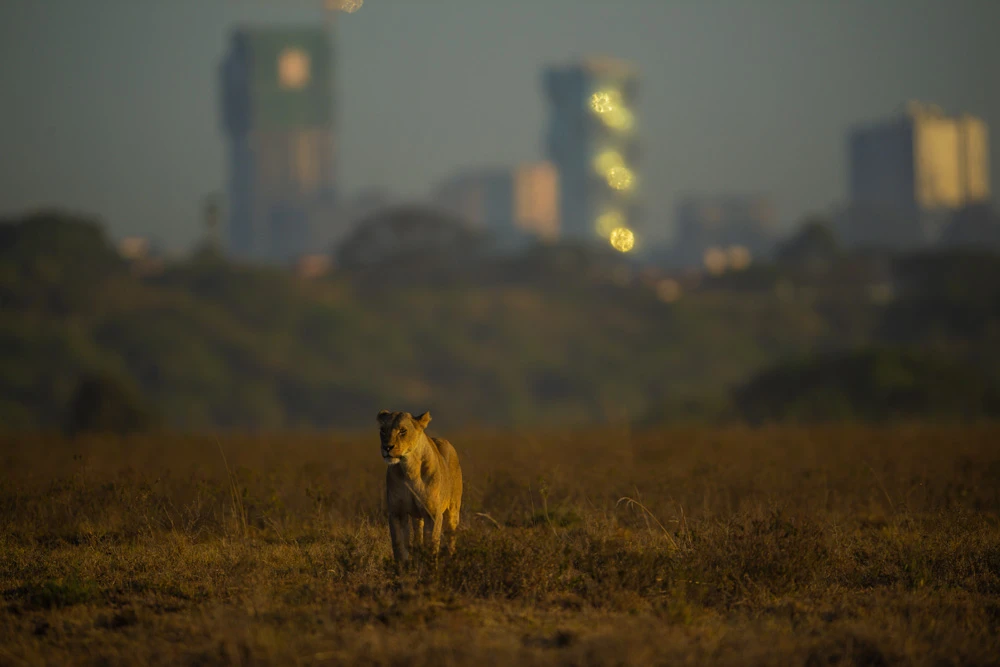

Nestled in the heart of East Africa, Kenya beckons adventurers and wildlife enthusiasts with its stunning landscapes and rich biodiversity. A Kenya wildlife safari is an immersive experience that offers travelers the opportunity to witness nature's grandeur in its most unspoiled form. From the sweeping savannahs of the Maasai Mara to the rugged terrains of Amboseli National Park, this captivating journey promises unforgettable encounters with the world's most iconic creatures, as well as a chance to engage with the vibrant cultures of the region. In this blog, we will embark on a virtual tour of Kenya's wildlife safari, delving into its remarkable destinations, unique wildlife, and the conservation efforts that sustain this natural wonderland.
Destinations: Where the Wild Roams Free
Maasai Mara National Reserve: Known as the crown jewel of Kenya's wildlife safari circuit, the Maasai Mara is an expansive savannah teeming with life. This reserve is famous for the Great Migration, where millions of wildebeest, zebras, and gazelles cross the Mara River in a dramatic spectacle of nature's resilience. The Maasai Mara is also home to the Big Five, with lions, elephants, rhinos, leopards, and buffalos roaming freely. Game drives in this pristine wilderness offer close encounters with these majestic animals.
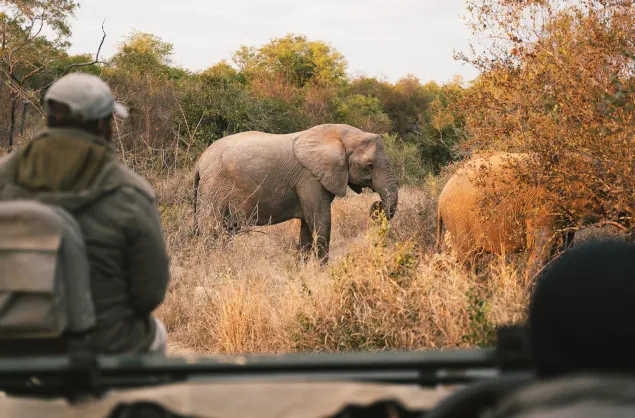
Amboseli National Park: Located at the foot of Mount Kilimanjaro, Amboseli offers a unique safari experience with its breathtaking backdrop of Africa's tallest peak. The park is renowned for its large herds of elephants, which can be observed up close against the awe-inspiring mountain backdrop. Besides elephants, you'll find a diverse range of wildlife, including giraffes, zebras, and cheetahs. Amboseli is also a paradise for birdwatchers, with over 400 bird species gracing its skies.
Samburu National Reserve: Situated in northern Kenya, Samburu stands out with its rugged terrain and arid landscapes. Here, you'll encounter wildlife not commonly found in other parts of the country, such as the reticulated giraffe, Grevy's zebra, and the Somali ostrich. The Ewaso Nyiro River cuts through the reserve, providing a lifeline for animals and a picturesque setting for safaris. Samburu also offers cultural experiences, as it is home to the Samburu people, who maintain their traditional way of life.
Lake Nakuru National Park: A paradise for bird enthusiasts, Lake Nakuru is famous for its flamingo populations that create a surreal pink spectacle along the shores. Beyond the avian wonders, the park is home to rhinos, leopards, giraffes, and numerous other wildlife species. Lake Nakuru's lush landscapes provide a serene setting for a wildlife safari, with the picturesque lake in the foreground and the Menengai Crater in the distance.
Tsavo National Parks: Split into East and West, Tsavo is one of Kenya's largest national parks, offering a diverse array of landscapes. Tsavo East is known for its striking red soil and herds of red elephants, while Tsavo West boasts scenic hills, natural springs, and the Mzima Springs, where you can observe hippos and crocodiles underwater through a submerged viewing chamber. Both parks are excellent for birdwatching and provide an off-the-beaten-path safari experience.
Wildlife Encounters: The Big Five and Beyond
While the Big Five—lions, elephants, rhinos, leopards, and buffalos—take center stage in Kenya's wildlife safari, the country's biodiversity extends far beyond these iconic species. Here are some remarkable animals you might encounter on your journey:
Giraffes: Kenya is home to several giraffe species, including the reticulated and Rothschild's giraffes. A visit to the Giraffe Centre in Nairobi offers a unique opportunity to get up close and personal with these elegant creatures.
Cheetahs: The Maasai Mara is one of the best places in Africa to spot cheetahs, the fastest land animals on Earth. Witnessing a cheetah in full sprint is a sight to behold.
Wild Dogs: Highly endangered, African wild dogs can occasionally be spotted in parks like Laikipia and Samburu. Their unique pack behavior and striking coats make them a thrilling find for safari-goers.
Hippopotamuses: Apart from Mzima Springs in Tsavo West, hippos can be observed in various rivers and lakes across Kenya. Their massive size and semi-aquatic lifestyle make for fascinating viewing.
Birds: Kenya's diverse habitats support over 1,100 bird species, making it a birdwatcher's paradise. From majestic eagles to colorful bee-eaters, the avian variety is astounding.
Conservation Efforts: Protecting Kenya's Natural Treasures
Kenya's commitment to wildlife conservation is commendable. Several organizations and initiatives are dedicated to safeguarding its unique ecosystems and endangered species. These efforts include anti-poaching patrols, community-based conservation programs, and habitat restoration projects. Additionally, Kenya has implemented strict regulations to ensure responsible tourism practices that minimize the impact on the environment and wildlife.
One of the most notable conservation success stories in Kenya is the resurgence of rhino populations, thanks to concerted efforts by organizations like the Lewa Wildlife Conservancy and Ol Pejeta Conservancy. These sanctuaries provide a safe haven for both black and white rhinos, contributing to their recovery from the brink of extinction.
Community-based conservation initiatives, such as the Maasai Mara Conservancies, involve local communities in wildlife protection and tourism, fostering a sense of ownership and responsibility for their natural heritage.
Cultural Immersion: Connecting with Kenya's Indigenous Communities
Beyond its natural wonders, Kenya offers an opportunity to engage with its diverse indigenous cultures. The Maasai, Samburu, Turkana, and other ethnic groups have inhabited these lands for centuries, maintaining their traditional lifestyles. Visitors can partake in cultural tours and experiences, gaining insights into age-old customs, dance, and craftsmanship.
A visit to a Maasai village, for instance, provides a glimpse into their nomadic way of life, characterized by colorful attire, intricate beadwork, and traditional dwellings called bomas. Engaging with these communities not only enhances your safari experience but also supports sustainable tourism practices that benefit local populations.
The Future of Kenya's Wildlife Safaris: Sustainable Tourism
As the popularity of wildlife safaris continues to grow, it's crucial to prioritize sustainable tourism practices. This involves responsible wildlife viewing, minimal environmental impact, and equitable benefits for local communities. By choosing eco-friendly lodges, respecting wildlife and their habitats, and supporting conservation initiatives, travelers can contribute to the preservation of Kenya's natural treasures for generations to come.
Conclusion:
A Kenya wildlife safari is more than just a vacation; it's an odyssey into the heart of Africa's wilderness. From the awe-inspiring landscapes to the captivating wildlife and vibrant cultures, Kenya offers a multifaceted experience that leaves a lasting impression. As you embark on this journey, remember to tread lightly, embrace the beauty of nature, and support the conservation efforts that make this adventure possible.











Sign in to leave a comment.