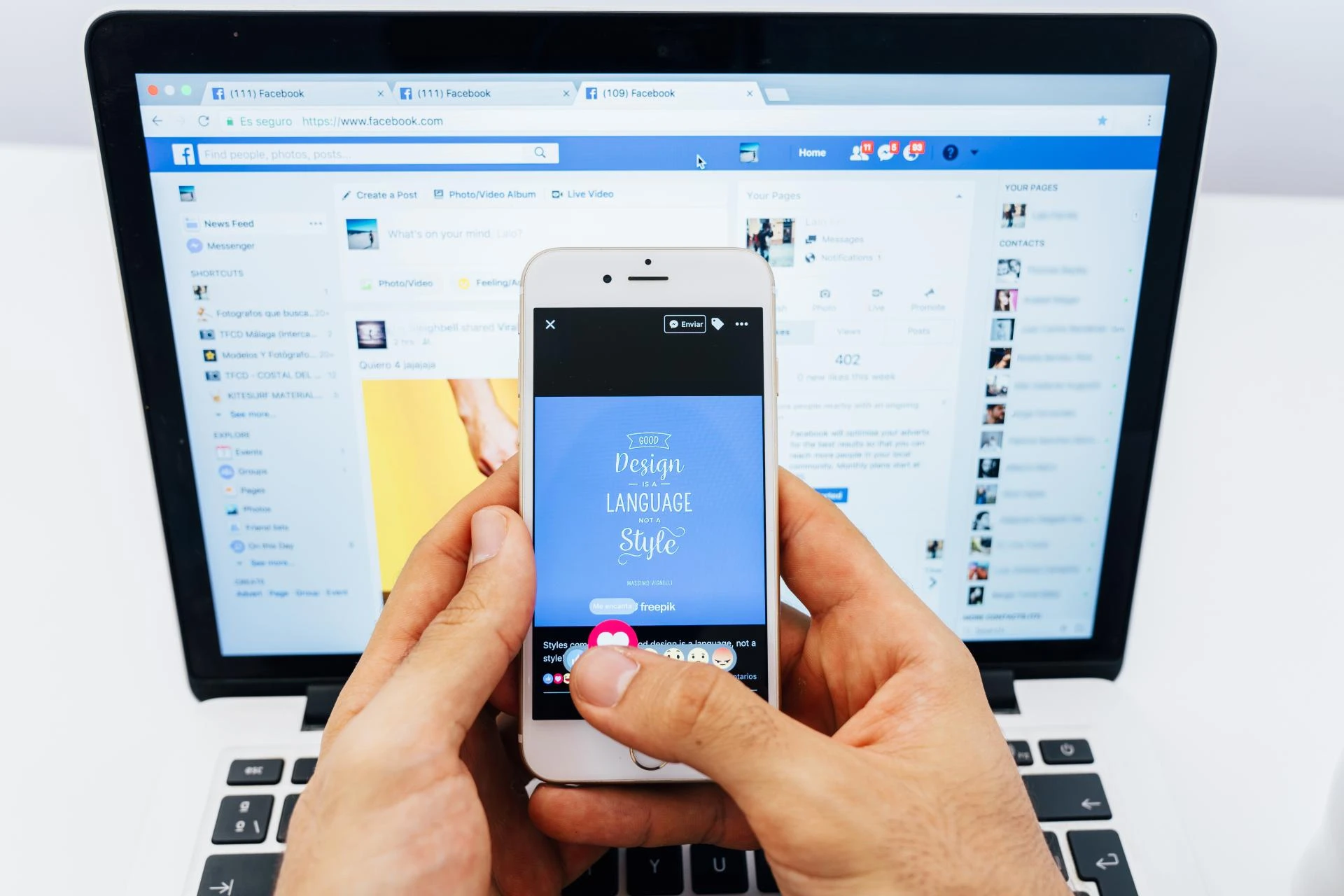

In the digital age, where billions of lives are chronicled, shared, and debated on platforms like Facebook, the allure of this vast, real-time data trove for governing bodies is undeniable. The concept of Facebook monitoring for government the systematic observation and analysis of public-facing social media content—sits squarely at the intersection of public safety and personal privacy. It is a powerful, double-edged sword: a tool that promises to avert crises and enhance responsiveness, but which simultaneously casts a chilling shadow over the human rights of free expression and assembly.
The Public Safety Imperative: A Shield Against Crisis
At its core, the stated purpose of Facebook monitoring for government is often altruistic: to protect citizens. When a natural disaster strikes, monitoring real-time geolocated posts can help emergency services prioritize search-and-rescue efforts. When public health concerns arise, tracking the sentiment and spread of information can aid in crisis communication and the timely debunking of dangerous misinformation.
Furthermore, in the realm of national security, intelligence agencies and law enforcement see it as a vital mechanism for threat detection, identifying potential signs of violent extremism, human trafficking, or criminal coordination that might be invisible in traditional communication channels. This kind of monitoring, when focused purely on publicly available data and used for proportionate, legitimate aims, is often framed as an evolution of existing intelligence-gathering techniques. The ability to identify "actionable information" that saves lives is the primary justification used to deploy these sophisticated surveillance systems.
The Chilling Effect: Erosion of Free Expression
However, the reality of deploying automated, large-scale surveillance technology against one’s own populace introduces profound and complex human dilemmas. The data collected by government agencies is not merely abstract information; it is a tapestry of our most intimate and unguarded moments: our political affiliations, religious beliefs, personal relationships, and emotional struggles.
One of the most significant concerns is the chilling effect this surveillance can have on free speech. If citizens believe—or know—that their government is systematically monitoring their political opinions, participation in protests, or even their private jokes and expressions of frustration, they are likely to self-censor. This isn't just an erosion of a legal right; it is a human retreat from the "modern public square" that social media has become. The ability to speak freely, to organize and to dissent without fear of reprisal, is a cornerstone of democratic life. When that space is clouded by the fear of government scrutiny, the vitality of civil discourse suffers, and legitimate social movements can be unjustly classified and targeted.
Furthermore, the technology employed for Facebook monitoring for government is often powered by Artificial Intelligence (AI) and machine learning algorithms. While highly efficient at sifting through mountains of data, these systems are notoriously susceptible to bias. Training data, often reflecting existing societal prejudices, can lead algorithms to disproportionately flag the posts of minority groups, activists, or specific political communities. The consequences are deeply human: an innocent person being denied a visa, a community leader being unfairly investigated, or a simple misinterpretation of "angry, hyperbolic" speech being treated as a precursor to violence.
A Human Centered Approach: Demanding Transparency and Oversight
The lack of transparency and clear, federally regulated oversight exacerbates these issues. In many jurisdictions, the criteria government agencies use to initiate monitoring, the keywords they employ to flag content, and the subsequent sharing of that personal data across different agencies remain hidden from the public. This creates a powerful imbalance, where the government operates in the shadows of data collection while the citizen is entirely exposed.
To ensure that Facebook monitoring for government serves the public good without sacrificing fundamental human rights, a human-centered regulatory approach is crucial. This requires more than just technical policy; it demands a moral commitment to accountability:
- Transparency and Auditability: The public needs to know how and why their data is being monitored. Independent oversight bodies must have the power to regularly audit monitoring programs for bias, necessity, and proportionality.
- A Standard of Necessity: Surveillance should not be the default. It must be strictly limited to what is necessary to achieve a legitimate and legally defined public safety aim, and not for general intelligence gathering on political dissent or personal life.
- Minimizing Data Retention: Personal data collected through monitoring, especially if it does not point to a credible threat, should be purged quickly. Storing vast archives of innocent citizens' thoughts and connections is an open invitation for future misuse.
Ultimately, Facebook and platforms like it are a reflection of our shared human experience. They are where we express joy, frustration, political fervor, and everything in between. When a government decides to monitor this space, it must do so with the utmost care, recognizing the value of privacy not as secrecy, but as the foundation of autonomy and democratic expression. The digital tools of government must be wielded with a heavy dose of humility and respect for the very citizens they are sworn to protect, ensuring that the promise of safety does not come at the irreparable cost of our freedom.

























Sign in to leave a comment.