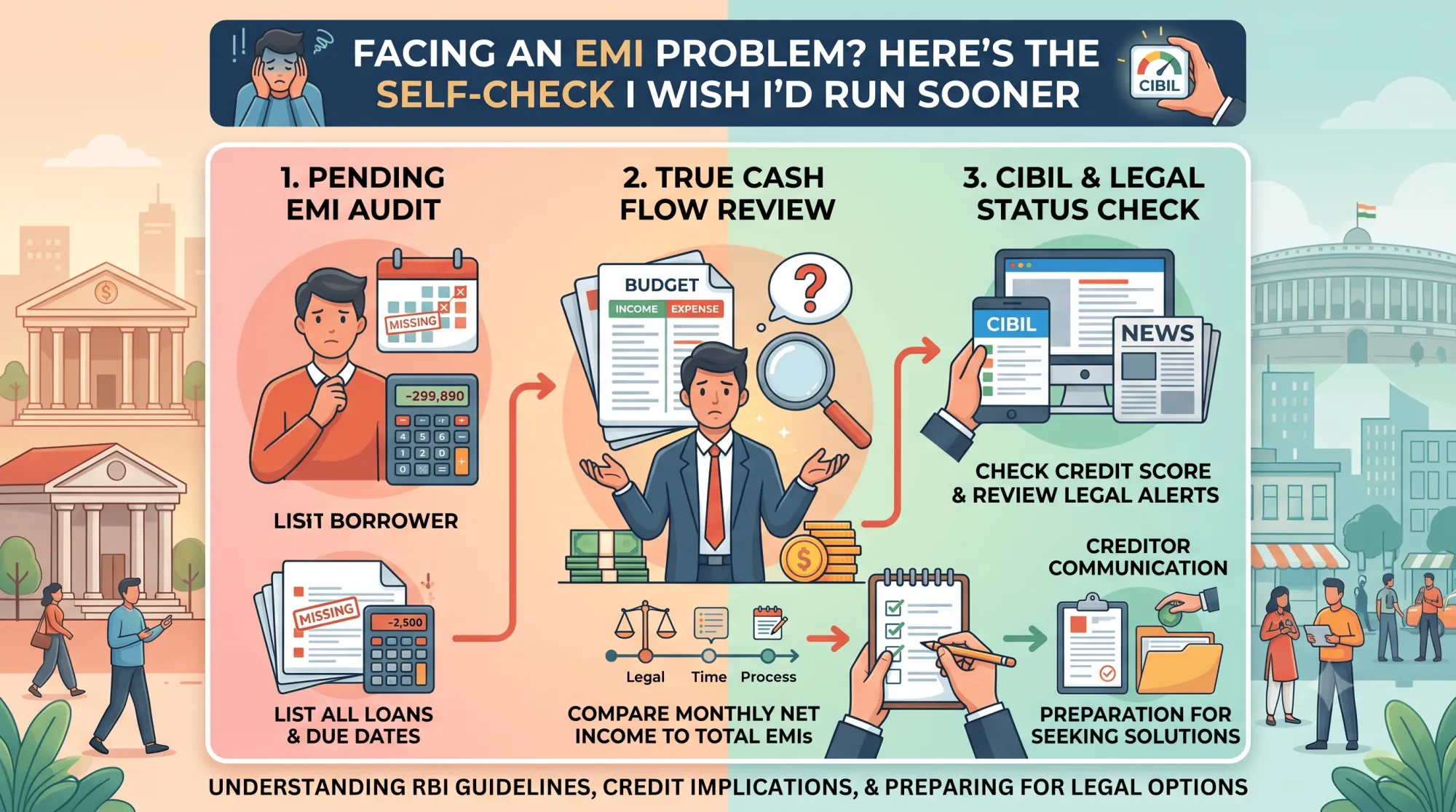

There's a specific kind of dread that comes with an EMI problem the reminder call you let ring out, the banking a you stop opening. If that description hits close, you're already ahead of most people at this stage: still willing to look at it, not yet avoiding it completely.
I ran into my own EMI problem two years ago. Looking back, the debt itself wasn't what made it hard it was not knowing whether what I was dealing with counted as a "real" problem or just a bad month. So here's the self-check I wish someone had handed me on day one, along with the plan that actually worked.
How to Tell If You Actually Have an EMI Problem
Ask yourself these five questions honestly:
- Have you missed more than one EMI in the last six months?
- Are you using one loan's money to cover another loan's minimum due?
- Have penalty charges shown up more than once on the same account?
- Do you feel a flash of anxiety before opening your banking app?
- Are you avoiding calls from numbers you don't recognise?
If two or more of these are true, you're not imagining it. That's not just a rough patch, and it's worth treating it like the real thing instead of hoping the next month sorts itself out on its own. The tricky part is that none of these signs feel dramatic in isolation a missed call here, a slightly tighter month there which is exactly why so many people don't notice the pattern until several months have already gone by.
What Made Things Worse (So You Can Skip That Part)
In my case, the mistake wasn't the missed payment itself it was what I did after. I went quiet. I muted notifications instead of opening them and told myself I'd deal with it "next week," for about six weeks in a row. Every week that passed, things compounded quietly: one penalty led to a tighter month, which led to another missed payment, which led to more calls I didn't answer. Looking back, none of that extra stress actually bought me anything it just delayed a conversation I was going to have to have eventually, on worse terms than if I'd had it early.
The Turning Point With My EMI Problem
The shift happened the day I actually answered a collections call instead of letting it go to voicemail. I expected a fight. Instead, I got someone asking what my actual situation was. That one conversation did more to calm things down than three months of avoidance had managed.
The Fix-It Plan That Actually Worked
Once I stopped avoiding it, the plan itself wasn't complicated:
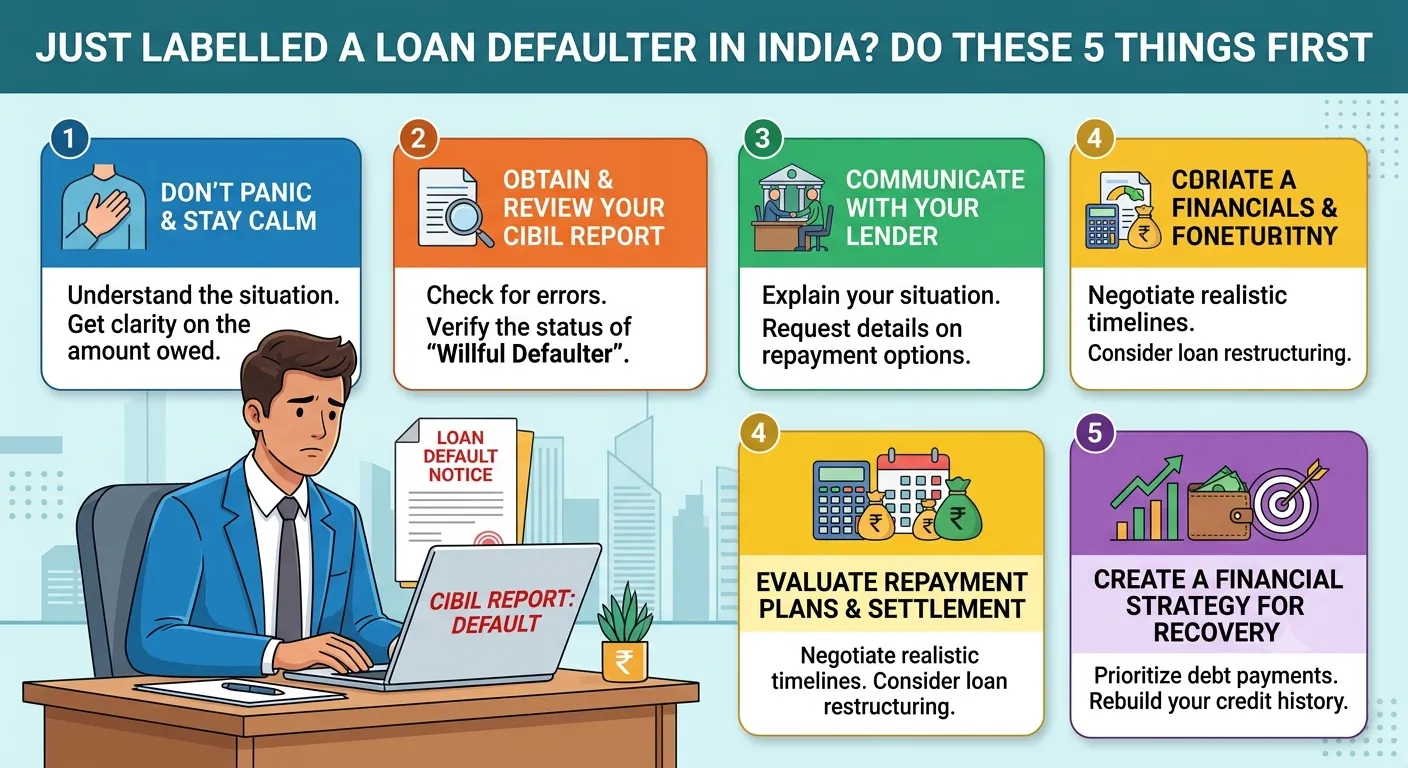
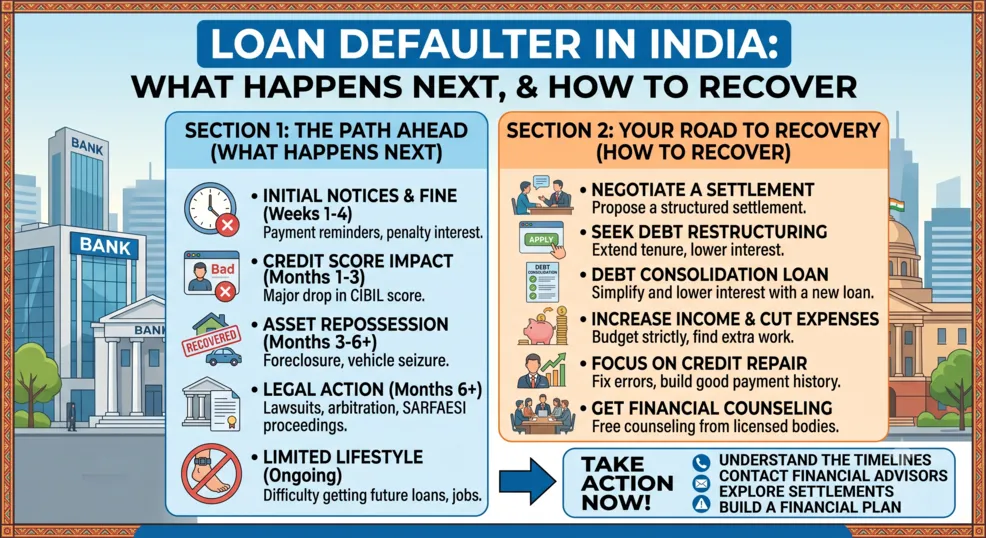
1. Call the lender first.
Most banks would rather restructure a loan a longer tenure, a lower monthly amount, a short pause than let an account slide toward default. But they only offer this if you ask before missing more payments, not after.
2. List every loan on one page.
Amount, interest rate, EMI, due date. An EMI problem written down on paper is a lot smaller than the same one living rent-free in your head.
3. Consider settlement if restructuring won't cut it.
If the shortfall isn't temporary if your income has genuinely changed a structured settlement, where you negotiate a reduced one-time payment to close the loan, is usually more honest than stretching things out for years.
I used a platform called Zavo to handle the settlement conversations, mainly because I didn't want to negotiate with each lender myself while also managing collection calls. If you want to see how the full process actually works, this guide walks through it step by step.
Before You Go: Two Things Worth Remembering
An EMI problem doesn't mean you're bad with money. Most people I've talked to since ended up here after one ordinary shock a job change, a medical bill, one loan too many stacked on an existing one. And it's genuinely more fixable early than late. The version of me that picked up the phone in month two had far more options than the version still avoiding it in month six.
Quick FAQ
Q1. Is a missed EMI the same as an EMI problem?
Not on its own. One missed payment that gets caught up the next month is a rough month, not a recurring problem.
Q2. Does settlement hurt my credit more than staying in default?
Usually the opposite a resolved settlement tends to look better on your credit history over time than an account that keeps sliding further behind.
Q3. How long does it usually take to sort this out once you start?
It varies with how many lenders are involved, but most people I've spoken with saw a real shift in tone within the first few weeks of actually engaging, well before the account was fully resolved. The point where things stop feeling chaotic tends to come much sooner than the point where the debt is fully closed.
























Sign in to leave a comment.