
When planning a residential or commercial painting project, knowing what affects the cost can help you budget better. The price of painting services varies widely because many factors come into play. This blog breaks down the main things that impact the cost of residential and commercial painting services, helping you understand where your money goes.
Factors Impacting Residential Painting Services Cost
Explore the assorted factors that determine the cost of residential painting service costs.
Size of the Home
The larger your home, the more paint and labour are required, making the project cost higher. Painting a single room is cheaper than painting many rooms or the entire house.
Surface Condition and Preparation
Older homes may need extra work like fixing cracks, scraping old paint, or cleaning surfaces. These wall preparation tasks add time and cost but help the paint last longer and look better.
Paint Quality and Type
Choosing high-quality, durable paints that residential and commercial painting services use costs more upfront but saves money in the long run by reducing repainting frequency. Interior paints are cheaper than exterior paints made to defy adverse weather.
Architectural Details
Features like crown molding, textured walls, or wooden trims need more precision and time, increasing the cost of residential and commercial painting services.
Accessibility
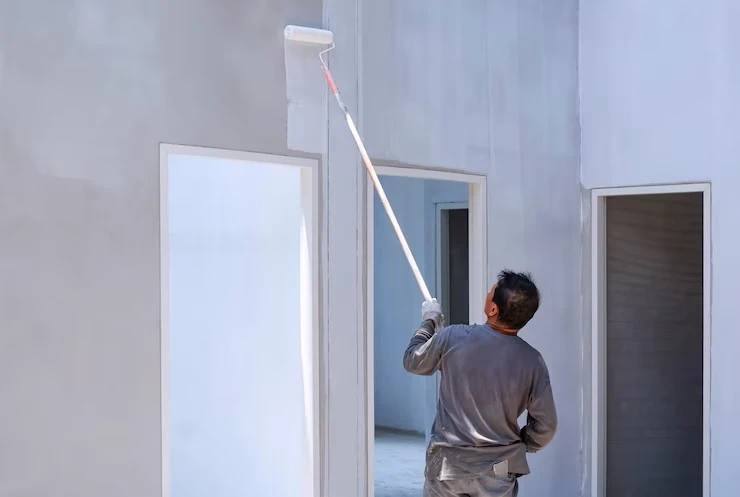
Hard-to-reach areas such as high ceilings or narrow stairways need ladders or scaffolding, which can raise labor costs.
Timing and Weather
Exterior painting depends on good weather. Rain or extreme temperatures can delay the job and add to the price.
Factors Impacting Commercial Painting Services Cost
Find out what professional painters consider when charging for commercial painting projects.
Size and Complexity of the Building
Commercial buildings are larger and more complex, requiring more paint and labor. Many floors, large hallways, conference rooms, and separate rooms contribute to higher costs.
Surface Preparation and Repairs
Commercial walls and floors may need repairs, cleaning from heavy use, or removal of old paint or coatings. This work adds to the project cost but is necessary for a quality finish.
Specialised Paints and Coatings
Commercial projects use paints with special properties like fire resistance, anti-graffiti coatings, or mold resistance, which cost more than standard paints.
Safety and Equipment
Painting commercial spaces involves safety regulations, including working at heights with scaffolding, using lifts or harnesses, which adds expense.
Business Hours and Scheduling
Painting may need to happen outside business hours or in phases to avoid disrupting operations. These scheduling requirements increase labor costs.
Regulatory Compliance
Some commercial projects need to meet strict environmental and safety codes, requiring certified materials and disposal methods that add cost.
Tips for Managing Painting Costs
When hiring residential and commercial painting services, always remember planning helps manage costs:
- Get many price quotes to compare prices and services.
- Decide on paint quality based on durability and budget.
- Clarify what surface preparation is included.
- Schedule during off-peak seasons when rates may be lower.
- Communicate any special requirements upfront to avoid surprises.
Bottomline
Knowing these factors allows you to plan your painting project with realistic expectations. A well-informed choice ensures your space looks great and the investment lasts for years.
This guide explains the important cost drivers unquely related to residential and commercial painting. Thus, helping homeowners and businesses get the best value for their money when opting for residential and commercial painting services.




























Sign in to leave a comment.