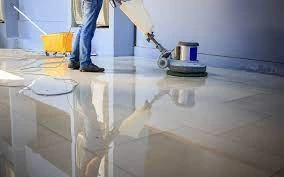
Marble flooring and surfaces add a touch of elegance and luxury to any space. However, over time, marble can lose its shine due to scratches, stains, and regular wear and tear. Marble polishing is an effective way to restore its beauty, but the cost of this service can vary widely. Several factors influence the pricing of marble polishing, and understanding them can help homeowners and businesses make informed decisions.
1. Size of the Area
One of the most significant factors affecting the cost of marble polishing is the total area to be polished. Professionals typically charge per square foot, meaning that larger spaces will naturally incur higher costs.
- Small Areas (e.g., countertops, small rooms): Lower cost due to less labor and materials.
- Medium to Large Areas (e.g., living rooms, lobbies, commercial spaces): Higher cost as they require more time, effort, and equipment.
- Bulk Discounts: Some service providers offer discounts for larger areas.
2. Condition of the Marble
The current condition of the marble plays a crucial role in determining the cost of polishing. If your marble is in good condition and only requires light polishing, the cost will be lower. However, severely damaged marble with deep scratches, stains, and cracks will require additional treatments, increasing the overall price.
- Well-maintained Marble: Minimal polishing required, lower cost.
- Lightly Scratched or Dull Marble: Moderate cost due to additional polishing and buffing.
- Heavily Scratched or Stained Marble: Higher cost, requiring grinding, sealing, or even resurfacing.
3. Type of Marble
Different types of marble have varying levels of hardness, porosity, and sensitivity, which can impact the cost of polishing. Softer marbles require more delicate handling and sealing, while harder marbles may need intensive polishing techniques.
- Italian Marble (e.g., Carrara, Calacatta, Statuario): Expensive to polish due to its delicate nature and high gloss finish.
- Indian Marble (e.g., Makrana, Udaipur Green): More affordable as it is locally available and easier to polish.
- Imported Marble (e.g., Turkish, Spanish, Greek Marble): Can be expensive depending on the rarity and composition.
4. Type of Polishing Method Used
The polishing technique chosen also affects the cost. There are multiple methods used in marble polishing, each with different pricing.
- Honing: A matte finish that smooths the surface—moderate cost.
- Diamond Polishing: A high-end method using diamond abrasives—higher cost but long-lasting shine.
- Crystallization: A chemical-based technique for a glossy finish—cost-effective but requires maintenance.
- Grinding & Leveling: Used for severely damaged marble—most expensive due to heavy machinery use.
5. Labor Costs & Expertise of the Service Provider
The expertise and reputation of the marble polishing service provider impact the cost significantly. Highly experienced professionals may charge more, but they also ensure better results.
- Local Contractors: More affordable but may lack high-end equipment.
- Professional Companies: Higher cost but offer warranty, advanced techniques, and better customer service.
- Skilled Technicians: If specialized work is needed, it may cost extra.
6. Location of the Property
Geographic location plays a role in determining the cost of marble polishing. Urban areas generally have higher costs due to increased labor charges and demand.
- Metropolitan Cities: Higher prices due to increased demand and cost of living.
- Smaller Towns & Rural Areas: Lower prices due to reduced labor and service costs.
- Travel Costs: If the service provider needs to travel a long distance, additional charges may apply.
7. Additional Treatments Required
In some cases, marble polishing alone is not enough, and additional treatments are required. These treatments add to the overall cost:
- Stain Removal: If the marble has deep stains, special cleaning agents and techniques may be needed.
- Crack & Chip Repair: Filling cracks with epoxy or resins increases the price.
- Sealing & Waterproofing: Applying a protective sealant is recommended for longevity and costs extra.
- Anti-slip Coating: Some homeowners prefer a non-slip finish, which may add to the expenses.
8. Frequency of Maintenance & Polishing
Regular maintenance can reduce the need for expensive polishing treatments. Homeowners who polish their marble floors every 1-2 years spend less compared to those who wait for visible damage to appear.
- Annual Polishing: Lower costs as minor issues are addressed early.
- Delayed Polishing (Every 5+ years): Higher costs due to extensive damage and restoration needs.
9. Custom Design or Detailing
If your marble surfaces have intricate designs, inlays, or patterns, they require more careful polishing, which increases the cost.
- Simple, Flat Marble Floors: Lower cost.
- Engraved or Carved Marble: Requires manual work, increasing labor costs.
- Border Designs & Mosaics: Special handling needed, leading to higher pricing.
10. Availability of Discounts & Service Packages
Many professional marble polishing companies offer discounted rates for package deals. Choosing a comprehensive service package instead of individual treatments can help reduce overall costs.
- Annual Maintenance Packages: More cost-effective in the long run.
- Bulk Service Discounts: Available for large commercial spaces or multiple rooms.
- Seasonal Offers & Promotions: Many companies offer discounts during off-peak seasons.
Final Thoughts: How to Optimize Your Marble Polishing Budget
If you want to get the best value for money while ensuring high-quality marble polishing, consider the following tips:
✔ Assess Your Needs First – Determine whether you need a full polish or minor touch-ups.
✔ Compare Service Providers – Get multiple quotes before finalizing a contractor.
✔ Choose the Right Polishing Technique – Opt for a method that fits your budget and marble type.
✔ Opt for Regular Maintenance – Preventive care can help avoid high restoration costs.
✔ Look for Discounts & Packages – Check for bundled services to save money.
Conclusion
The cost of marble polishing depends on various factors, including the size of the area, condition of the marble, type of polishing technique, labor costs, and location. By understanding these factors, homeowners and businesses can make well-informed decisions about their marble maintenance needs. Investing in professional marble polishing services not only restores the beauty of the stone but also extends its lifespan, ensuring that your floors and countertops look elegant for years to come.










Sign in to leave a comment.