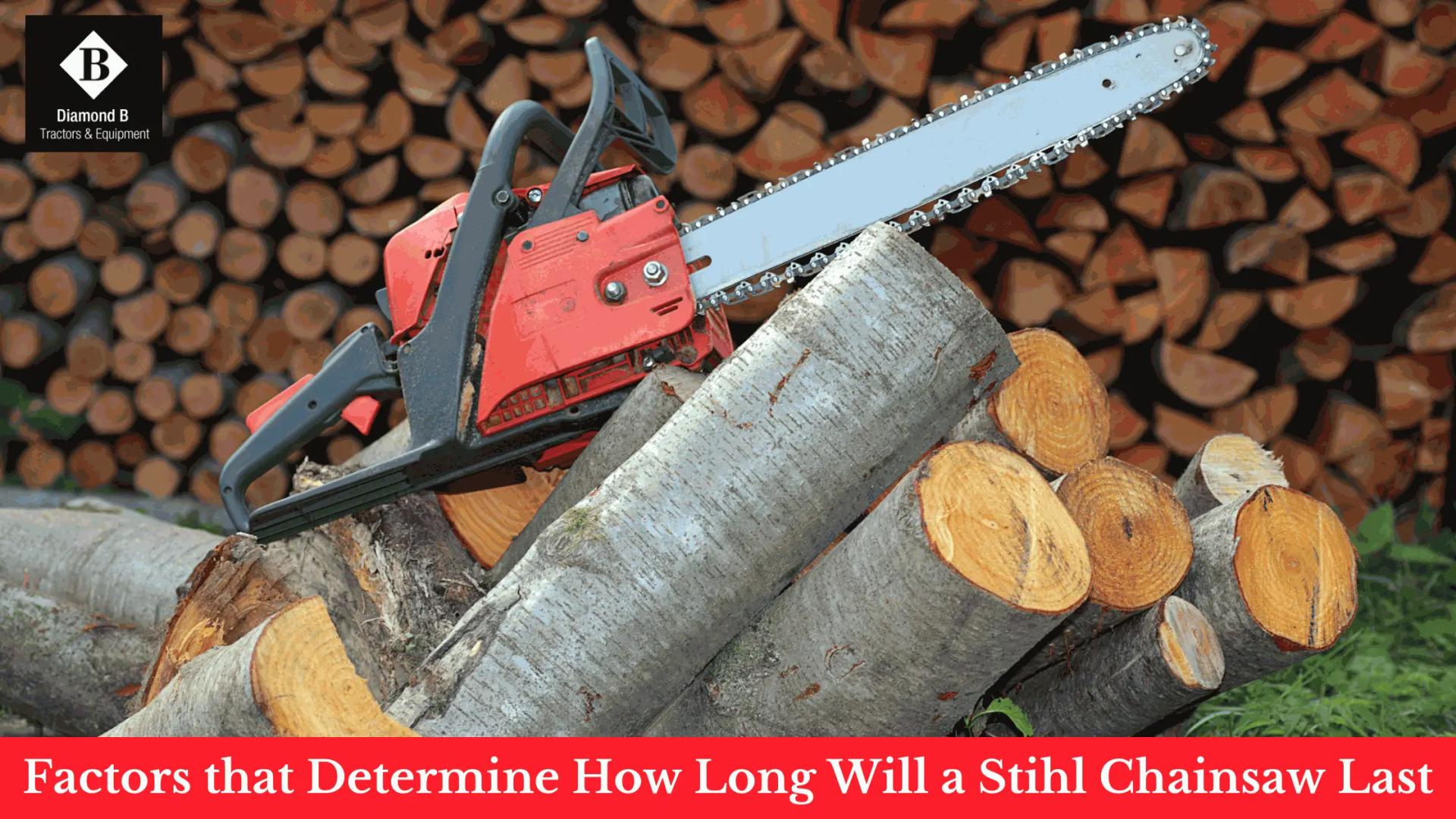

When purchasing a chainsaw, durability, and longevity are crucial considerations. A Stihl chainsaw is renowned for its exceptional quality and reliability, but just like any other mechanical tool, its lifespan depends on various factors. Understanding these factors can help users make informed decisions and maximize the lifespan of their Stihl chainsaws.
In this article, we'll examine the major factors that affect how long will a Stihl chainsaw last. By examining several factors, one can learn significant lessons about how long a Stihl chainsaw can survive and how to increase its lifespan. Let's look more closely at these elements to guarantee the best durability and performance from your Stihl chainsaw.
Related Posts: Benefits of Using A Stihl Chainsaw
What Affects the Lifespan Expectancy of Stihl Chainsaws?
1. Brand/Manufacturer
The brand or manufacturer of a Stihl chainsaw plays a crucial role in determining its lifespan expectancy. High-quality chainsaws made by Stihl are renowned for their dependability and lifespan. With premium materials and cutting-edge manufacturing processes, well-known brands frequently have strict quality control procedures. Choosing a reputable brand like Stihl increases the likelihood of owning a chainsaw that can withstand the test of time.
2. Chainsaw Styles/Models
The specific style or model of a Stihl chainsaw can affect its lifespan. For varied uses, such as commercial logging, domestic use, or sporadic yard work, chainsaws come in various designs and models. Lighter-duty models may experience a shorter lifespan if subjected to intense workloads, but heavy-duty ones are designed to resist demand and regular use. Selecting the appropriate chainsaw style/model based on your intended use ensures optimal performance and enhances the overall longevity of the chainsaw.
3. Usage Time
The amount of time a Stihl chainsaw is used, and the intensity of the workload it handles can impact its lifespan. Continuous, prolonged use without sufficient breaks can cause the chainsaw's parts to deteriorate more quickly. If pushed beyond their recommended limits, the engine, chain, bar, and other moving parts may experience accelerated deterioration. Adhering to the manufacturer's guidelines regarding usage time and allowing the chainsaw to cool down and rest periodically can help extend its lifespan.
4. Maintenance and Repair
Regular maintenance and timely repairs are vital for prolonging the lifespan of a Stihl chainsaw. Proper maintenance includes:
Cleaning the chainsaw after each use.Inspecting and lubricating the chain, bar, and sprocket.Keeping the air filter clean.The chainsaw will continue to operate at its best if the manufacturer follows the maintenance plan and instructions. Promptly addressing any issues or malfunctions with necessary repairs also prevents further damage and extends the lifespan of the chainsaw.
5. Fuel and Oil Quality
A Stihl chainsaw's fuel and oil quality can significantly impact its lifespan expectancy. It's crucial to use the specified oil mixture and clean, high-quality petrol in the right proportions. Poor-quality fuel or oil can lead to engine deposits, reduced lubrication, and increased wear on the internal components. Regularly checking fuel and oil filters, using fresh fuel, and adhering to the manufacturer's recommendations for oil type and mix ratio help maintain the chainsaw's engine and maximize its lifespan.
6. Storage
Proper storage practices are a contributing factor in how long will a stihl chainsaw last. Storing the chainsaw in a dry and clean environment, away from extreme temperatures and humidity, is crucial. Exposure to moisture and rust-inducing conditions can cause corrosion and damage the chainsaw's metal components. Rust may be avoided, and the chainsaw is kept in top condition while not in use by using protective covers or cases and ensuring adequate air during storage. Additionally, following the manufacturer's guidelines for long-term storage, such as emptying the fuel tank and properly lubricating the chainsaw, further protects its lifespan.
How Long Will a Stihl Chainsaw Last?
The lifespan of a chainsaw is not fixed or predetermined but rather influenced by various factors, as mentioned earlier, with maintenance playing a significant role. However, expecting a well-made chainsaw to serve you for a minimum of 10 years or potentially longer is reasonable. Discovering chainsaws operating for 20 to 30 years or more with good maintenance is typical. The longevity of a chainsaw ultimately hinges on how well it is maintained and the attention given to its upkeep.
Maintenance Tips To Extend Chainsaw Life
1. Lubricate the Bar and Chain
Proper lubrication is vital to reduce friction and heat generation during operation. Ensure the bar and chain are adequately lubricated using chainsaw bar oil. Regularly check the oil reservoir, refill as needed, and clean any debris from the oil delivery system.
2. Sharpen the Chain and Teeth
A sharp chain and teeth are crucial for efficient cutting and reducing strain on the chainsaw's engine. Regularly inspect and sharpen the chain using a chainsaw file or seek professional sharpening services when necessary. Light chains can lead to overheating, excessive wear, and decreased cutting performance.
3. Clean the Air Filter
The air filter prevents dust, debris, and other particles from entering the engine. To guarantee proper airflow, regularly inspect and clean the air filter. If the filter is dusty or damaged, swap it out for a new one. A clean air filter promotes better engine performance and prolongs the lifespan of the chainsaw.
4. Use Pre-Mixed Gas/Oil Without Ethanol
Ethanol-containing fuels can cause damage to the engine and fuel system of a chainsaw. It is recommended to use pre-mixed gas/oil specifically designed for two-stroke engines without ethanol content. This helps prevent fuel-related issues and ensures optimal performance and longevity of the chainsaw.
5. Set the Correct Chain Tension
Maintaining the correct chain tension is crucial for safety and optimal performance. Refer to the manufacturer's guidelines to set the chain tension correctly. A loose chain can derail and increase the risk of accidents, while an overly tight chain can cause excessive strain on the engine and components.
Related Posts: Finding the Perfect Match: Choosing the Right STIHL Chainsaw for Your Cutting Needs
Final Verdict
Based on the factors discussed, proper care and maintenance are essential for optimizing a chainsaw's lifespan and preventing wear and tear. For those in Texas looking for services related to Stihl chainsaws, several Stihl chainsaw dealers in Texas offer sales, servicing, and repair of Stihl chainsaws. It is recommended to consult with a trusted Stihl chainsaw dealer in Texas for proper maintenance and repairs to ensure a chainsaw's longevity. By partnering with a reputable dealer, users can stay informed about new technologies and accessories that may enhance their Stihl chainsaw's performance and longevity.


























Sign in to leave a comment.