

Selecting a mobile network operator is no longer as simple as walking into a shop and grabbing the closest piece of plastic. In a highly saturated mobile market, a SIM card determines your daily productivity, digital safety, and monthly budget.
With the market shifting rapidly toward data-heavy consumption and solutions that are digital-first, making a blind choice can leave you stuck with sluggish speeds and frustrating customer service.
So, whether you’re looking to purchase a new number or port your existing connection through Mobile Number Portability (MNP), several critical parameters demand your attention.
Here is a comprehensive evaluation framework detailing the key factors to consider when choosing a SIM in Pakistan.
1. Does the Network Have Reliable Coverage Where You Live?
Many users focus on package prices and data volumes but overlook network coverage. A SIM that offers generous data is of little use if the signal is weak in the places you spend most of your time.
Before choosing a network, check how well it performs at home, at work, during your commute, and in the cities you visit regularly. Reliable coverage remains one of the most important factors when selecting a mobile network in Pakistan.
2. How is The Data Speed & Network Reliability?
While every telecom operator in Pakistan boasts nationwide coverage, the reality is completely different. There’s a vast divide between legacy networks and agile, modern data infrastructures.
True network performance is measured by consistent download speeds, quick upload times, and low latency. These factors are all crucial for video streaming, remote working, and lag-free online gaming.
Instead of falling for empty marketing slogans, look for networks built on optimized 4G LTE-advanced architectures. If you want to future-proof your connectivity, your priority should be finding an operator that bypasses legacy bottlenecks.
3. How Easy Is It to Get Started with a New SIM?
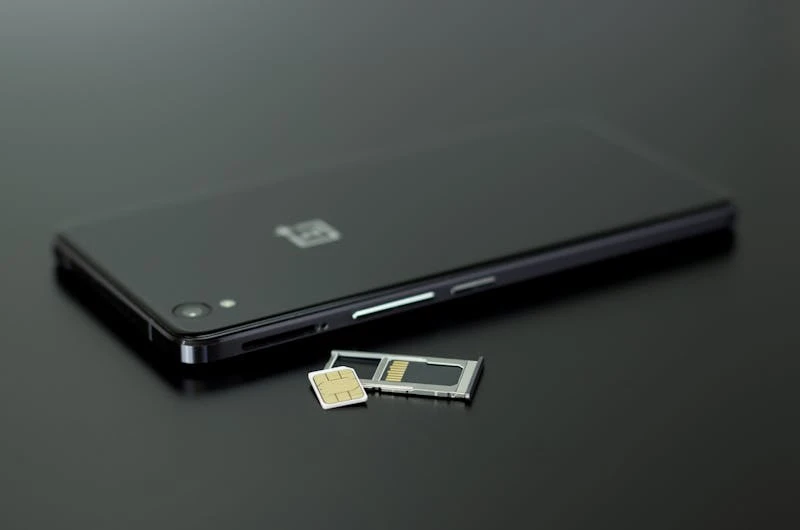
The traditional method of acquiring a new SIM card in Pakistan is broken. It forces you to battle city traffic, locate a physical franchise, wait in long queues, and deal with tedious paperwork just to get connected.
When choosing a network provider, make sure you evaluate how much they respect your time. Modern consumers deserve a friction-free, contactless onboarding model.
For example if you choose Onic Network, you simply download the app, choose a premium number, complete your biometric verification, and collect your SIM from the nearest pickup point.
4. Does The Network Support eSIM Compatibility & How Is The Activation Process?
As smartphone manufacturers phase out physical card slots, eSIM technology in Pakistan has shifted from a luxury feature to a core requirement. An embedded SIM provides superior device security, enables effortless dual-SIM workflows, and completely eliminates the risk of physical card damage.
When picking an operator, ensure their digital profile deployment is hassle-free. Many networks treat eSIM activation as an afterthought, charging massive fees or requiring a physical store visit to scan a printed QR code.
Also Read : The Business Impact of eSIM Adoption in Pakistan
5. Are the Packages and Prices Easy to Understand?
Pakistani mobile consumers have been trapped in a cycle of complex, hyper-fragmented mobile packages for decades.
Traditional mobile networks often lure users in with confusing daily, weekly, or location-based data caps that automatically expire or auto-renew without explicit consent.
When comparing networks, prioritize tariff transparency. Look for plans that offer:
- No Hidden Charges: The price you see on the screen should be exactly what you pay.
- All-Net Minutes: Bundles that don't discriminate between on-net and off-net calls.
- Long-Term Validity: Generous data volumes that don't expire in a mere 24 or 48 hours.
Also take a look at the cost of local SIM in Pakistan.
6. Does The Network Have Good Customer Support?
Most people only think about customer support when something goes wrong. Whether you need help activating a package, resolving a billing issue, or replacing a SIM, responsive support can save time and frustration.
When comparing mobile operators, consider how easy it is to get assistance and whether support is available through apps, chat, phone, or physical service centers.
7. Does The Mobile Network Offer Benefits Beyond Calls and Data?
A modern mobile connection should deliver value that extends far beyond standard airtime and gigabytes (GBs). The best network provider is one that acts as a gateway to your broader digital lifestyle.
| Evaluation Metric | Traditional Telecom Operators | Onic |
| SIM Form Factors | Mostly physical plastic (eSIM requires store visit) | Instant app-driven eSIM or physical delivery |
| Package Structure | Complex daily/weekly location-restricted caps | Simple, transparent, high-volume data plans |
| Customer Support | Frustrating automated helpline menus | Responsive, instant digital and AI chat assistance |
| Lifestyle Rewards | Limited or restricted to premium tiers | Integrated digital vouchers & lifestyle perks |
Legacy networks often restrict lifestyle rewards to their highest paying corporate tiers. In contrast, digital native operators make these advantages universal.
From your very first day on Onic, your connection unlocks an ecosystem of real-world lifestyle perks, including exclusive discounts on trending food delivery apps, streaming services, and online shopping platforms.
Final Verdict
Make the smart digital leap. Choosing a SIM card in Pakistan is no longer merely about picking a color or a corporate logo, it’s an active choice between accepting slow, legacy bureaucratic friction or embracing a streamlined digital future.
If you value fast data speeds, upfront tariff transparency, instant eSIM deployment, and a lifestyle packed with digital rewards, the choice becomes clear.
Related Read : How to Choose the Right SIM in Pakistan Based on Your Usage
























Sign in to leave a comment.