
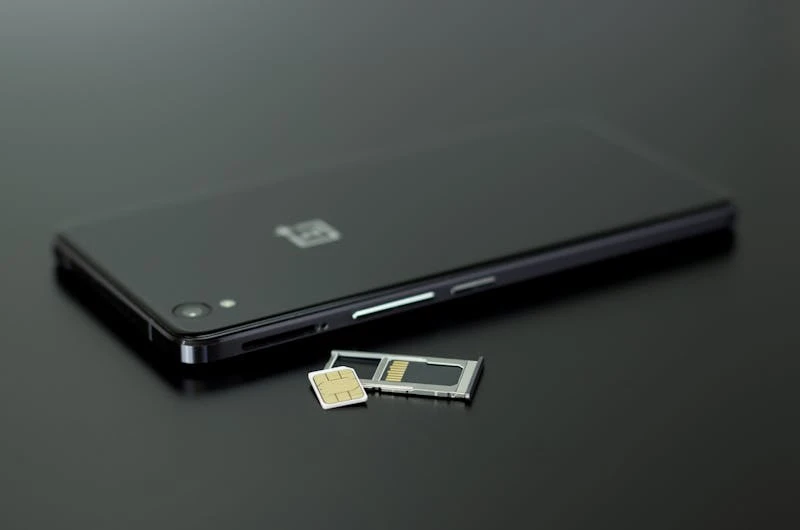
The telecom industry in Pakistan is slowly moving toward a more digital model, and eSIM technology is one of the key drivers of this shift. Unlike traditional SIM cards that need to be inserted into a phone, an eSIM is built into the device and can be activated digitally.
While this sounds like a small technological change, it actually has a much bigger impact on how telecom businesses operate, compete, and grow.
Lower Costs for Telecom Companies
Traditional SIM cards come with several operational costs. Telecom companies need to manufacture SIM cards, distribute them across thousands of retail stores, and manage logistics.
With eSIM, much of this process becomes digital. Customers can activate their connection online without needing a physical card. This reduces manufacturing, distribution, and retail costs for telecom operators.
Over time, these savings can be significant, especially for companies that want to scale quickly without relying on large physical networks.
Faster Customer Acquisition
One of the biggest business advantages of eSIM is speed. Instead of visiting a store, customers can activate a connection digitally within minutes.
For telecom companies, this makes it easier to acquire new customers. Digital onboarding removes many barriers that slow down sign-ups, which means businesses can grow their user base faster.
This is especially important as telecom competition in Pakistan continues to increase.
Opportunities for Digital-First Telecom Models
eSIM also supports the rise of digital telecom brands that operate primarily through apps rather than physical stores.
These companies can offer plans, manage accounts, and provide support entirely online. This model allows telecom businesses to run leaner operations while offering a more convenient experience to users.
For the industry, this shift could lead to more innovation and new types of telecom services.
Enabling New Markets and Devices
Another important business impact of eSIM is its role in supporting connected devices. Smartwatches, IoT devices, and other smart technologies often rely on embedded connectivity.
As these devices become more common, telecom companies can expand their services beyond smartphones and enter new markets such as:
- Smart devices and wearables
- Connected vehicles
- IoT solutions for businesses
This opens up new revenue streams for telecom operators.
Increased Competition in the Telecom Market
eSIM makes switching networks easier, and that is why it can also increase competition in the telecom sector. Customers are no longer tied to a physical SIM card and can change operators more easily.
For telecom businesses, this means they must focus more on better services, competitive pricing, and stronger digital experiences to retain customers.
In the long run, this competition can lead to better services and innovation across the industry.
What This Means for the Industry
The adoption of eSIM in Pakistan is not just about removing a physical SIM card. It represents a shift toward more digital, flexible, and efficient telecom services.
For telecom companies, the technology can reduce costs, speed up customer growth, and create opportunities in new markets. For the industry as a whole, it signals the beginning of a more competitive and digitally driven telecom landscape.
As more devices support eSIM and more users become comfortable with digital services, its business impact in Pakistan is likely to grow in the coming years.






















Sign in to leave a comment.