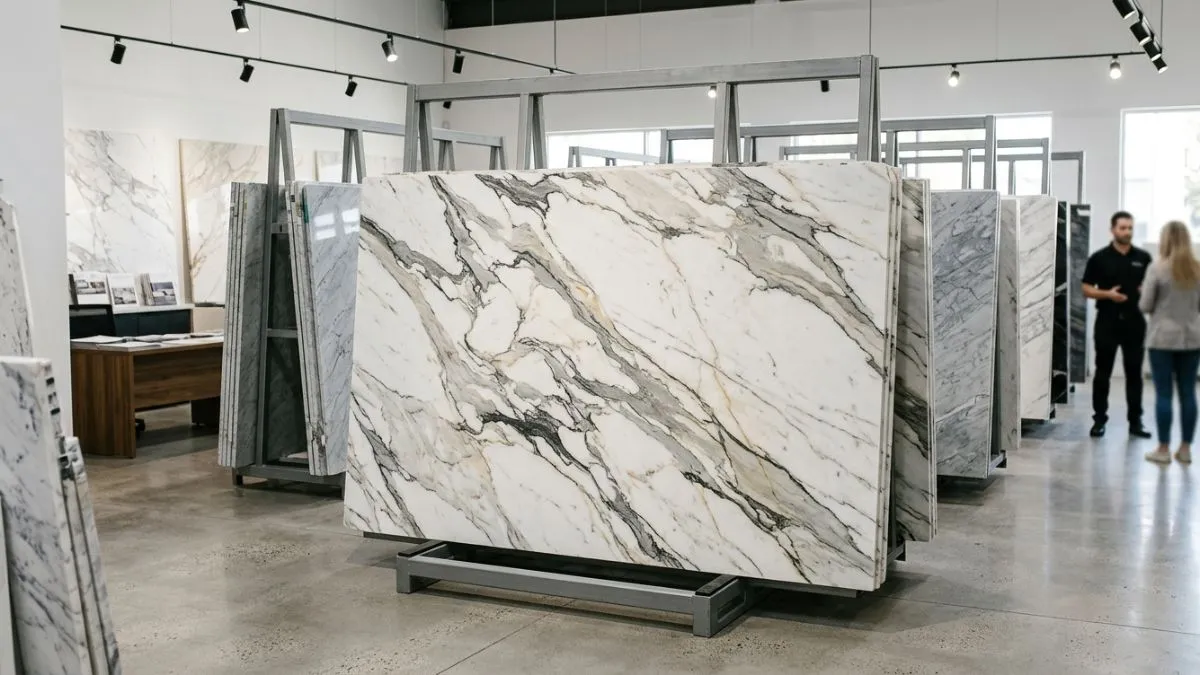

Building a dream home is not only about walls and furniture. Every small detail matters, especially the marble. One wrong marble choice can spoil the complete luxury look of the space. Many people spend a huge amount on premium marble, but later realize they received a fake product.
This happens a lot in the Indian market, especially with high-demand stones like Michelangelo Marble.
Many sellers use similar patterns, polished surfaces, and attractive lighting to confuse buyers. At first glance, everything looks original. But after a few months, cracks, dullness, stains, and uneven shades start appearing.
That is the moment people regret not checking the marble carefully before purchase.
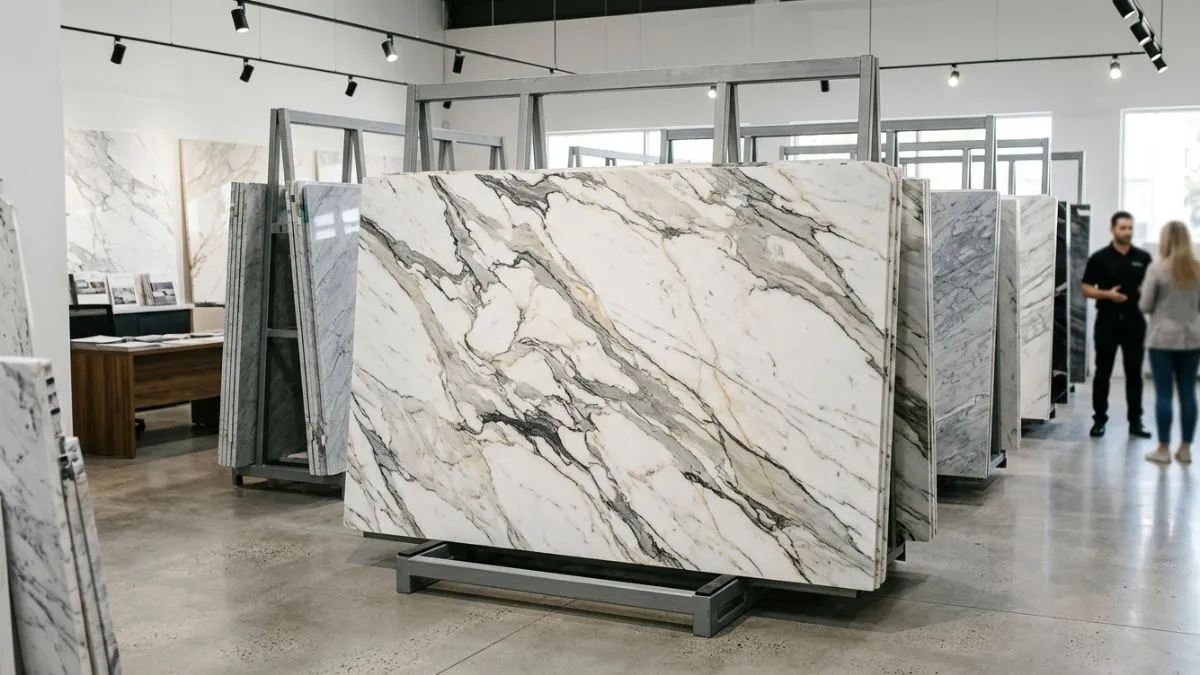
Why Fake Michelangelo Marble Is Becoming Common
Original Michelangelo Marble is known for its premium appearance, smooth texture, soft veins, and rich finish. Since demand is growing rapidly in luxury homes, hotels, and modern interiors, many duplicate products are entering the market.
Some traders mix low-quality marble with chemical polish and sell it at premium prices. Many buyers cannot identify the difference because fake marble looks attractive in showroom lights.
That is why checking the signs carefully is extremely important.
1. Check the Vein Pattern Carefully
One of the biggest signs of original Michelangelo Marble is its natural vein flow. Real marble has random and soft patterns created naturally over years inside the earth.
Fake marble usually has:
- Repeated designs
- Machine-like straight lines
- Extra sharp patterns
- Artificial-looking waves
2. Observe the Surface Shine
Many fake marble suppliers depend only on heavy chemical polish. Initially, the marble shines a lot. But this shine disappears quickly after regular cleaning and foot traffic.
Original Michelangelo Marble has:
- Deep natural shine
- Smooth touch
- Elegant reflection
- Long-lasting finish
Rub the surface gently with your hand. Cheap marble often feels rough or overly slippery because of artificial coating.
3. Water Absorption Test Matters
This small trick can reveal a lot. Place a few drops of water on the marble surface and wait for a few minutes.
Original premium marble absorbs very little water. Fake or low-quality marble may absorb water quickly and leave dark spots. This usually means poor density and weak quality. Many buyers skip this simple test and later face stain problems in kitchens, bathrooms, and living areas.
4. Look at the Thickness and Edges
Real Michelangelo Marble usually has proper thickness consistency and clean finishing on edges.
Signs of fake material include:
- Uneven thickness
- Broken corners
- Extra filler material
- Poor side finishing
Always inspect the slab side profile. This area often exposes hidden quality issues that polish cannot hide.
5. Ask for Origin and Quality Details
Trusted marble suppliers usually share proper details about:
- Marble origin
- Slab quality
- Finish type
- Maintenance guidance
Fake sellers avoid detailed discussions and focus only on discounts.
READ ALSO: How to Select the Perfect Type of Italian Marble Easily
Final Thoughts
Choosing marble is not a daily purchase. It becomes part of the home for many years. A fake slab can ruin the complete beauty of interiors and increase maintenance costs later.
Before finalizing any Michelangelo Marble, inspect the surface, vein pattern, shine, thickness, and water resistance carefully. Small checks today can protect the entire investment tomorrow.



























Sign in to leave a comment.