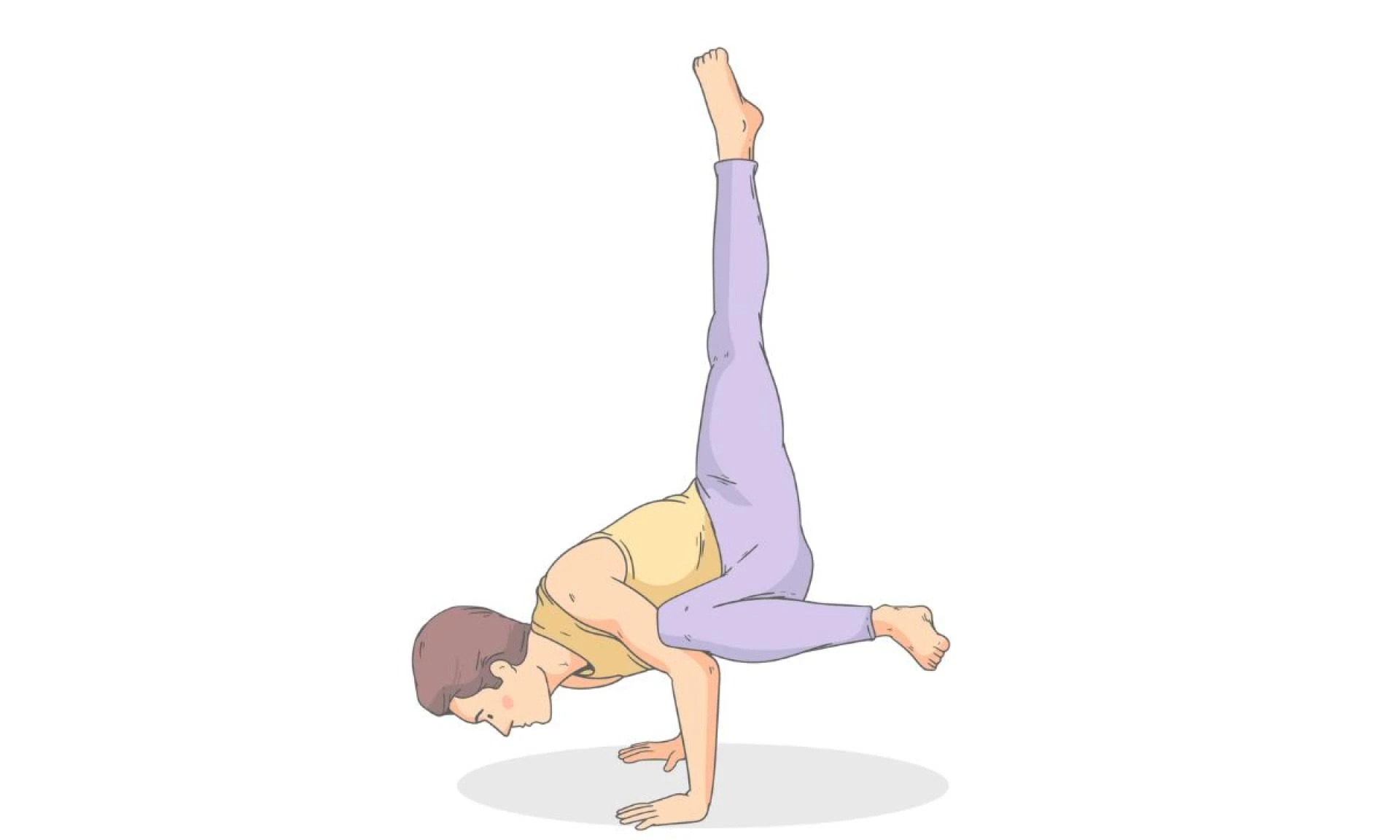

Yoga is not just a practice; it’s an art, a journey of self-discovery and transformation. Among the myriad yoga poses, the Fallen Angel Pose (Devaduuta Panna Asana) stands out as a striking blend of strength, balance, and elegance. This pose, while challenging, rewards practitioners with a sense of achievement, improved flexibility, and enhanced core strength. Whether you're a seasoned yogi or a curious beginner, this guide will walk you through everything you need to know about the Fallen Angel Pose.
What is the Fallen Angel Yoga Pose?
The Fallen Angel Pose is an advanced arm balance pose that combines elements of flexibility, core strength, and balance. Its poetic name reflects its aesthetics, as the pose resembles an angel gracefully descending to the ground. While it might look intimidating, with practice, patience, and proper guidance, you can master this stunning asana.
Benefits of Practicing Fallen Angel Pose
Practicing Fallen Angel Pose offers a range of physical, mental, and emotional benefits:
1. Improves Balance and Stability
Balancing on one arm challenges your equilibrium and helps you develop a stronger sense of stability.
2. Enhances Core Strength
The pose demands engagement from your core muscles, boosting strength and stability in your abdominal region.
3. Increases Flexibility
This pose stretches your hamstrings, hips, and shoulders, improving your overall flexibility.
4. Boosts Confidence
Conquering a challenging pose like the Fallen Angel can significantly enhance your self-confidence.
5. Promotes Mindfulness
This pose requires focus and presence, encouraging a meditative state during practice.
Preparatory Poses for Fallen Angel Pose
Before diving into the Fallen Angel Pose, it’s essential to warm up and prepare your body. Here are some preparatory poses:
1. Side Crow Pose (Parsva Bakasana)
- Builds the foundation for arm balancing.
- Strengthens your arms and core.
2. Revolved Chair Pose (Parivrtta Utkatasana)
- Opens up your spine and improves twisting flexibility.
- Prepares your body for the rotation required in Fallen Angel Pose.
3. Downward-Facing Dog (Adho Mukha Svanasana)
- Stretches your hamstrings, shoulders, and calves.
- Warms up your body and improves circulation.
4. Pigeon Pose (Eka Pada Rajakapotasana)
- Opens up the hips and stretches the glutes.
5. Plank Pose (Phalakasana)
- Builds core and arm strength, essential for balancing in Fallen Angel Pose.
Step-by-Step Guide to Mastering Fallen Angel Pose
1. Start with Side Crow Pose
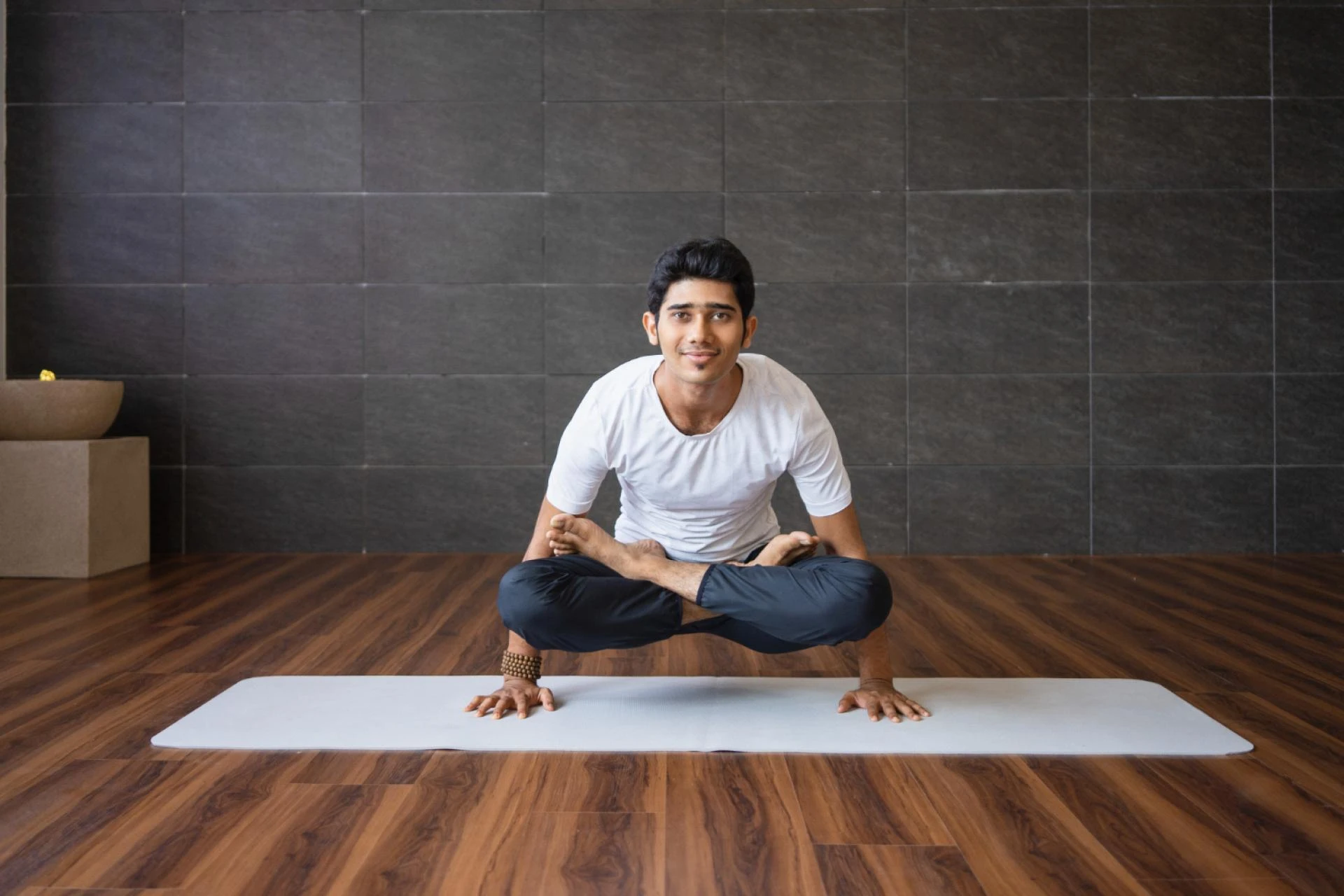
- Begin in a squat position with your feet together.
- Twist your torso to one side, placing both palms flat on the ground shoulder-width apart.
- Shift your weight onto your hands and lift your feet off the ground, balancing on your arms.
2. Find Your Balance
- Ensure your core is engaged and your gaze is focused slightly ahead of you.
- Practice balancing in Side Crow Pose before progressing.
3. Transition into Fallen Angel
- From Side Crow Pose, gently lower the side of your head to the mat.
- Lift your top leg toward the sky while keeping the other leg bent.
- Maintain balance by engaging your core and keeping your breathing steady.
4. Hold and Breathe
- Hold the pose for 3-5 breaths or as long as you feel comfortable.
- Focus on stability and grace.
5. Release Slowly
- To exit, gently lower your lifted leg and return to Side Crow Pose.
- Slowly come back to a neutral position.
Mistakes to Avoid
1. Skipping the Warm-Up
Jumping into the pose without warming up can lead to injuries. Always prepare your body first.
2. Over-Relying on Arm Strength
Balance comes from core engagement, not just your arms. Focus on your core stability.
3. Holding Your Breath
Breathing is crucial in maintaining balance and staying relaxed. Don’t forget to breathe deeply and evenly.
4. Misaligned Elbows and Wrists
Ensure your wrists are directly under your shoulders, and your elbows are not flaring out.
Tips for Success
- Practice Patience Mastering Fallen Angel Pose takes time. Celebrate small milestones and stay consistent.
- Use Props If you’re a beginner, use yoga blocks for support under your head.
- Seek Guidance Practicing under the supervision of a yoga instructor can help you refine your technique and avoid injuries.
- Strengthen Your Core Incorporate core-strengthening exercises like boat pose (Navasana) and plank variations into your routine.
- Stay Positive Approach the pose with curiosity and joy, not frustration.
Frequently Asked Questions (FAQs)
Q: Is the Fallen Angel Pose suitable for beginners?
A: This is an advanced pose, but beginners can work towards it by practicing preparatory poses and building strength and flexibility.
Q: What if I can’t lift my leg?
A: Focus on building strength and balance first. Use props or practice lifting your leg incrementally.
Q: How can I prevent wrist pain?
A: Warm up your wrists thoroughly and distribute your weight evenly through your palms and fingers.
Final Thoughts
The Fallen Angel Yoga Pose is a testament to the beauty and complexity of yoga. While it may seem daunting at first, with dedication and practice, you’ll find yourself gracefully balancing like a fallen angel. Remember, yoga is about the journey, not just the destination. Embrace the process, stay mindful, and enjoy every step of your practice.
So roll out your yoga mat, take a deep breath, and let your yoga journey take flight with the Fallen Angel Pose. Namaste!
What has been your experience with the Fallen Angel Pose? Share your thoughts and tips in the comments below!








Sign in to leave a comment.