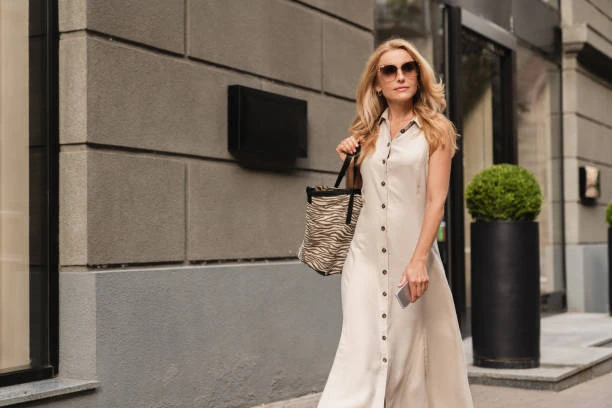

Fashion is one of the most powerful forms of self-expression. It goes beyond clothes, accessories, and footwear—it reflects personality, mood, culture, lifestyle, and even social changes. In today’s world, fashion has become a universal language that connects people, influences society, and shapes global trends. Whether it’s luxury couture, everyday streetwear, or sustainable clothing, fashion plays a major role in how the world dresses and expresses identity. This article explores the meaning of fashion, its evolution, importance, types, and future trends.
What Is Fashion?
Fashion refers to the styles, designs, and trends in clothing, accessories, hairstyles, and overall appearance that are popular during a particular time. It is ever-changing and influenced by culture, celebrities, technology, social media, and global events. Fashion allows people to express individuality and creativity, making it a significant part of human life.
Today, fashion is not limited to the elite. It is accessible to everyone—students, professionals, homemakers, and even children. From casual wear to ethnic outfits, fashion has a wide range of styles suitable for every personality and occasion.
History and Evolution of Fashion
Fashion has been part of human culture for thousands of years. In ancient civilizations like Egypt, Greece, and India, clothes were used not just for covering the body but also to show class, wealth, and identity. Gold jewelry, silk drapes, and embroidered robes were symbols of status.
During the Renaissance period, fashion became more artistic. Tailoring improved, and people began experimenting with patterns and fabrics. By the 19th century, Paris became the global hub of fashion, giving rise to haute couture designers and iconic runway shows.
In the modern era, fashion has become more diverse and inclusive. What was once exclusive to royalty and the wealthy has now become accessible to all. Trends travel faster, styles evolve quicker, and fashion choices have become more personal and expressive.
Types of Fashion in Today’s World
Fashion is a broad category that includes many styles and segments. Some of the most popular types of fashion are:
1. Street Fashion
Street fashion is inspired by day-to-day outfits worn by regular people. It includes oversized hoodies, baggy jeans, sneakers, sporty outfits, and creative layering. Youth culture plays a major role in setting street fashion trends.
2. Haute Couture
Haute couture refers to high-end, custom-made designer clothing. These garments are handcrafted, expensive, and showcased at fashion weeks in Paris, Milan, and New York. Luxury brands like Chanel, Dior, and Versace dominate couture fashion.
3. Casual Fashion
Casual wear includes comfortable, simple, and easy-to-wear outfits such as jeans, T-shirts, joggers, dresses, and sneakers. Casual fashion is widely loved because it’s practical for everyday life.
4. Ethnic and Traditional Fashion
Ethnic fashion includes culturally inspired clothing such as Indian sarees, lehengas, kurta sets, African prints, Japanese kimonos, and Middle Eastern abayas. These outfits celebrate heritage and identity.
5. Sustainable Fashion
Sustainable fashion uses eco-friendly materials, ethical production, and minimal waste. Upcycled clothing, organic fabrics, thrifted outfits, and handmade fabrics fall under this category. It is becoming one of the biggest fashion movements today.
6. Luxury Fashion
Luxury fashion includes high-quality designer brands, premium materials, and exclusive styles. It represents status and elegance and is often associated with celebrities and fashion enthusiasts.
Factors Influencing Fashion Trends
Fashion trends don’t appear randomly—multiple factors shape them:
1. Celebrities and Influencers
Celebrities and influencers have a huge impact on fashion. A single outfit worn by a famous person can go viral and become a global trend.
2. Social Media
Platforms like Instagram, TikTok, and Pinterest are trendsetters. Fashion bloggers, reels, and styling videos inspire millions daily.
3. Culture and Traditions
Festivals, ceremonies, and cultural events influence fashion styles. Traditional dresses are reinvented with modern touches to appeal to younger generations.
4. Technology
From virtual try-ons to AI styling tools, technology is changing how we shop and wear fashion. Digital fashion is also becoming popular.
5. Seasons and Weather
Summer, winter, monsoon, and spring trends vary based on weather conditions. Fabrics and colors change with the season.
Importance of Fashion in Modern Life
Fashion matters because it influences how we feel, how we present ourselves, and how others perceive us. Here’s why fashion is important:
1. Builds Confidence
Wearing clothes that reflect your personality boosts self-esteem and confidence.
2. Expresses Identity
Fashion helps people express who they are—bold, simple, classy, trendy, or traditional.
3. Enhances Creativity
Fashion encourages creativity through colors, patterns, and styling combinations.
4. Supports Culture
Ethnic fashion connects people to their traditions, values, and heritage.
5. Drives the Global Economy
The fashion industry generates millions of jobs and contributes significantly to global GDP.
Fashion and Sustainability
In recent years, sustainability has become a major concern in fashion. Fast fashion creates pollution, textile waste, and unethical labor practices. To overcome this, people are embracing eco-friendly trends like:
- Thrifting and second-hand shopping
- Upcycling old clothes
- Using organic or recycled fabrics
- Supporting ethical brands
- Avoiding unnecessary shopping
Sustainable fashion promotes mindful choices while protecting the environment for future generations.
The Future of Fashion
The future of fashion looks exciting and technologically advanced. We can expect:
1. Digital Fashion
Virtual outfits for avatars and social media.
2. Smart Clothing
Outfits with built-in sensors for health and fitness.
3. Sustainable Materials
More eco-friendly fabrics like bamboo fiber, hemp, and recycled polyester.
4. Personalized Fashion
AI tools that design clothes based on your body shape and style preferences.
Fashion’s future will blend creativity, technology, and sustainability to create more innovative and responsible trends.
Conclusion
Fashion is an ever-evolving world that reflects culture, personality, and creativity. It shapes identity, influences society, and connects people globally. From streetwear and ethnic fashion to luxury brands and sustainable trends, fashion offers limitless possibilities of expression. As trends continue to evolve, fashion will always remain an essential part of human life—helping us feel confident, stylish, and unique.

























Sign in to leave a comment.