

Health is often misunderstood as simply “not being sick.” In reality, true health is a much broader, multidimensional concept that includes physical, mental, emotional, and social well-being. In today’s fast-paced world, where stress is common and lifestyle diseases continue to rise, a comprehensive understanding of health has never been more important. This article explores the different dimensions of health, why they matter, and how simple changes can create long-term wellness.
1. The Meaning of Holistic Health
Holistic health is an approach that focuses on the whole person rather than isolated symptoms. Instead of treating only the body, holistic health recognizes that the mind, emotions, habits, and environment all work together to shape overall well-being. When one area is imbalanced—such as prolonged stress or poor sleep—it affects other aspects of health, sometimes leading to chronic disorders.
By looking at health through a holistic lens, we can adopt deeper, more sustainable habits that improve quality of life, boost resilience, and prevent disease before it appears.
2. Physical Health: The Foundation of Well-Being
Physical health remains the foundation of a healthy life. It includes proper nutrition, regular physical activity, adequate sleep, and responsible lifestyle choices. Some key components are:
A healthy diet provides essential nutrients that fuel bodily functions, support immunity, and maintain energy levels. A nutrient-rich diet typically includes:
- Fresh fruits and vegetables
- Whole grains
- Lean proteins
- Healthy fats
- Limited processed foods and sugars
- Hydration also plays a critical role, as water supports digestion, circulation, and temperature regulation.
Regular Exercise
Physical activity is essential for cardiovascular health, muscle strength, weight control, and mental clarity. Even 30 minutes of moderate exercise—like brisk walking—five days a week can drastically reduce the risk of heart disease, diabetes, and obesity.
Rest and Sleep
Sleep is often ignored, yet poor sleep affects immunity, mood, memory, and even hormones that control appetite. Adults generally need 7–9 hours of sleep daily.
Preventive Care
Routine checkups, screenings, and vaccinations are important for early detection of diseases. Prevention is always more effective and less costly than treatment.
3. Mental and Emotional Health: The Invisible Pillars
Mental health is equally important as physical health. Stress, anxiety, depression, and emotional imbalance can impact decision-making, relationships, and productivity. In extreme cases, they may also lead to physical symptoms such as headaches, digestive issues, and fatigue.
Stress Management
Stress is inevitable, but chronic stress is dangerous. Effective coping methods include:
- Meditation and breathing exercises
- Physical activity
- Journaling
- Talking with friends or professionals
Emotional Awareness
Understanding one’s emotions and expressing them healthily leads to better relationships and self-control. Emotional intelligence helps individuals manage conflict, handle setbacks, and maintain inner peace.
Seeking Support
There is no shame in seeking counseling or therapy. Professional help can guide individuals through personal challenges and offer techniques to build emotional strength.
4. Social Health: The Power of Connection
Humans are social beings, and healthy relationships play a major role in well-being. Strong social connections provide emotional support, reduce stress, and increase feelings of belonging and purpose.
Healthy Relationships
Good relationships are built on communication, empathy, and mutual respect. Such bonds help people navigate difficult times more effectively.
Community Participation
Engaging in community activities, volunteering, or joining clubs can boost confidence and create meaningful social networks.
5. Lifestyle Choices and Their Impact
Simple daily habits can significantly influence health outcomes. Negative habits such as smoking, excessive alcohol consumption, prolonged screen time, or sedentary lifestyles can lead to chronic illness.
On the other hand, healthy habits—regular physical activity, balanced meals, proper rest, and mindful living—promote long-term wellness.
6. The Role of Environment in Health
Our surroundings—both physical and social—shape our health. For example:
- Clean air and water reduce risk of respiratory and waterborne diseases.
- Safe housing prevents injuries and infections.
- Workplace environment affects stress levels and mental well-being.
- Access to healthcare ensures timely treatment and preventive care.
Even the digital environment matters. Excessive exposure to screens and social media can contribute to anxiety, sleep disturbances, and reduced attention span.
7. Building a Healthy Routine
Developing a routine is one of the most effective ways to maintain long-term health. A well-structured routine might include:
- Morning exercise or stretching
- Nutritious meals at regular times
- Short breaks during work
- Mindfulness or meditation practice
- Time for hobbies and relaxation
- Consistent sleep schedule
Healthy routines reduce decision fatigue and make wellness habits automatic.
8. Preventive Health: A Smart Investment
Preventive health focuses on reducing risk factors and catching problems early. This includes:
- Routine medical checkups
- Blood pressure, cholesterol, and glucose screenings
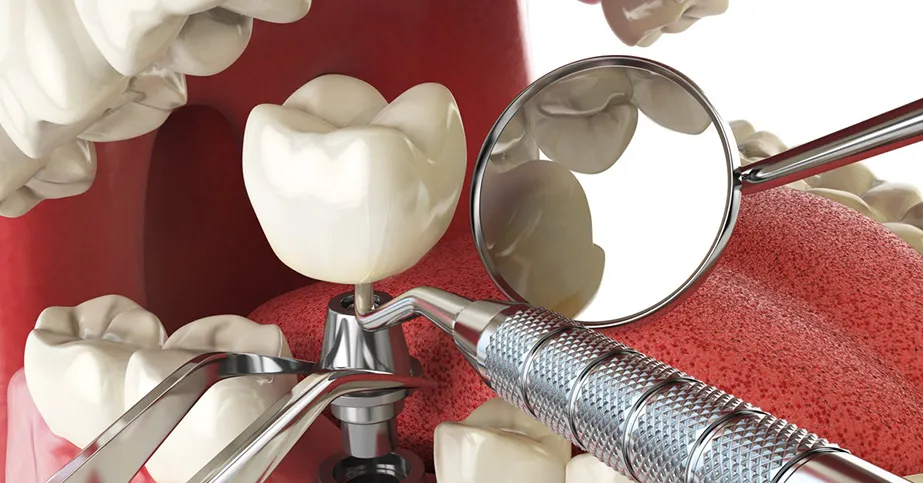
- Oral health checkups
- Eye and hearing exams
- Vaccinations
- Regular self-examinations (like breast or skin checks)
Prevention not only protects health but also reduces healthcare costs and increases life expectancy.
9. The Future of Health: Technology and Innovation
Technology is transforming the health landscape. Fitness trackers, telemedicine, AI-based health tools, and personalized nutrition apps provide real-time insights into lifestyle habits. These tools allow people to make informed decisions and manage their health more effectively.
However, technology should complement—not replace—healthy habits and professional medical advice.
10. Conclusion: Making Health a Lifelong Priority
Health is not a one-time achievement but a continuous journey. By nurturing the body, mind, and spirit, individuals can build a balanced and fulfilling life. Small daily choices—like choosing nutritious meals, staying active, managing stress, and fostering connections—can create lasting improvements in overall well-being.
Holistic health empowers people to take charge of their lives, prevent illness, and thrive with energy and positivity. When health becomes a priority, every other aspect of life begins to flourish.































Sign in to leave a comment.