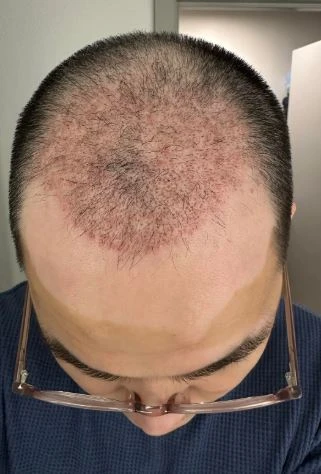

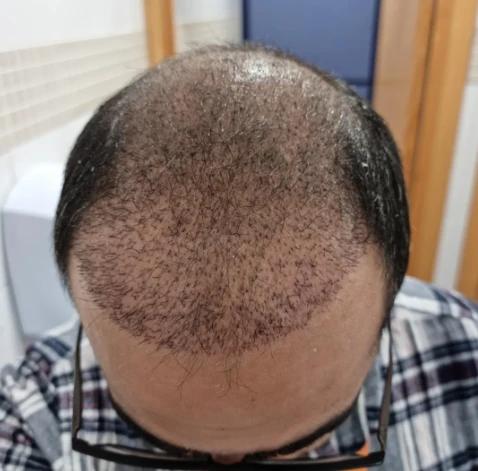
In the ever-evolving world of cosmetic medicine, the focus has shifted from merely achieving aesthetic results to optimizing patient experience, recovery, and long-term success. Among the most transformative developments in recent years is the evolution of techniques designed to enhance recovery after procedures that were once associated with long downtimes and significant discomfort. One of the most notable examples of this progress can be seen in the advancements surrounding hair transplant procedures, where healing time, safety, and overall outcomes have dramatically improved.
Breakthroughs in Post-Operative Care
The healing phase following any surgical procedure is critical—not only in terms of physical recovery but also for the psychological confidence it provides patients. For many individuals seeking hair restoration, the fear of a long, painful, or visible recovery period can be a deterrent. Today, this fear is rapidly becoming outdated thanks to cutting-edge advancements in post-operative care.
Modern post-procedure treatments now integrate anti-inflammatory therapies, advanced growth factors, and precision-engineered wound healing protocols. These innovations significantly reduce swelling, scabbing, and infection risk, making the days following surgery more comfortable than ever. What once took weeks to heal can now begin to look remarkably better within days, minimizing disruptions to personal and professional life.
The Role of Regenerative Medicine
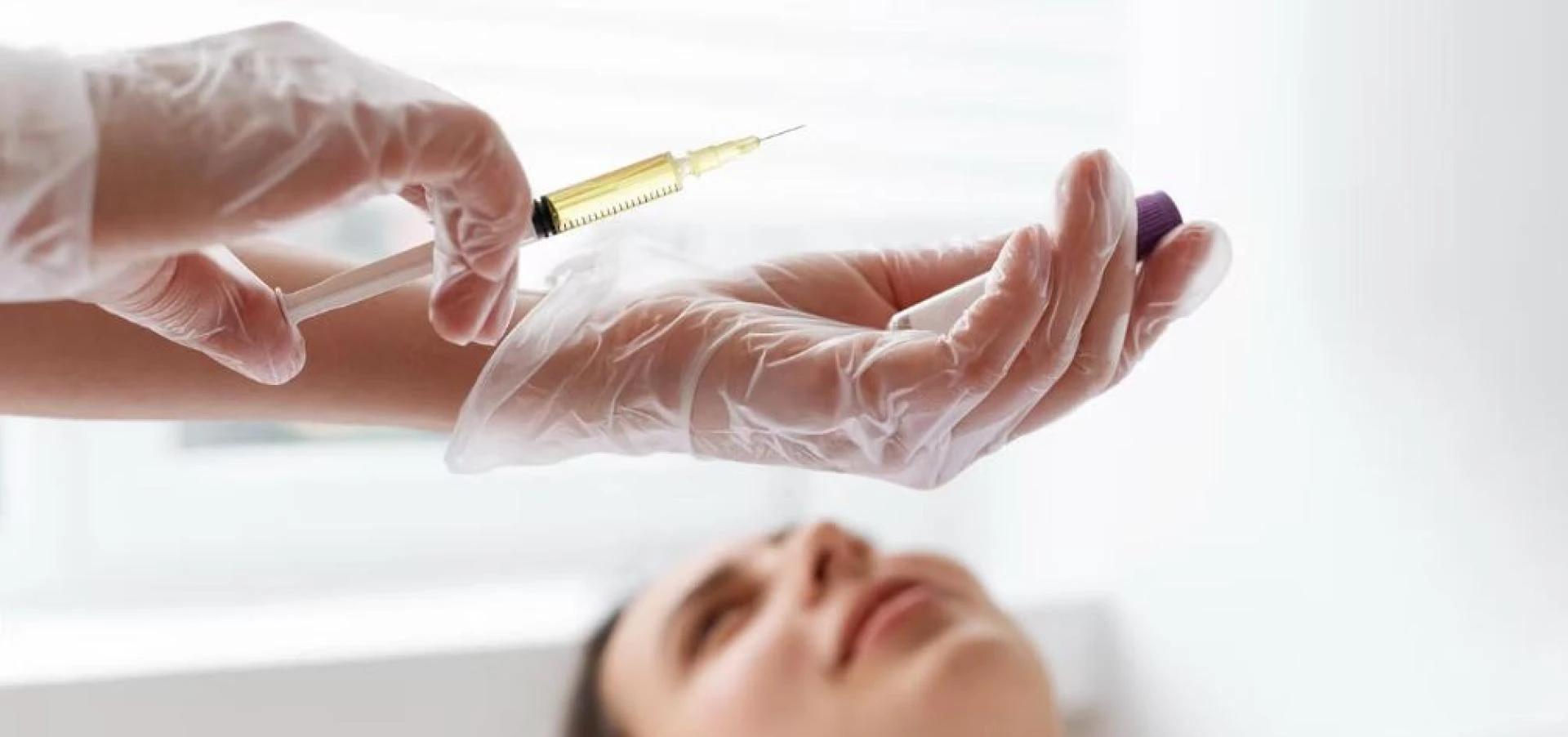
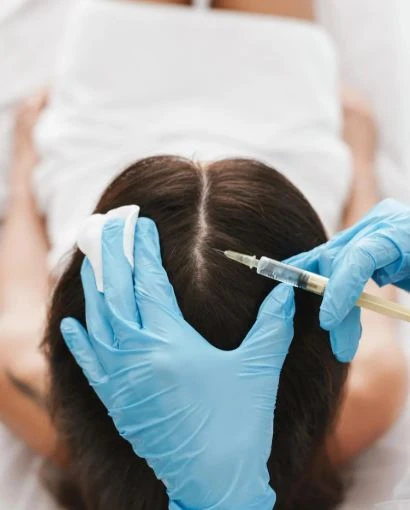
One of the most exciting developments in healing technology comes from the field of regenerative medicine. Techniques like platelet-rich plasma (PRP) therapy are becoming standard in the post-transplant healing process. PRP involves concentrating a patient's own platelets and applying them to the treated area to speed tissue repair and encourage hair follicle regeneration. It’s natural, safe, and remarkably effective.
Moreover, stem cell therapies are being explored as a powerful tool to reduce inflammation and accelerate recovery. While still under investigation in many countries, early clinical trials suggest these treatments could soon become routine in ensuring faster, scar-free healing. When paired with minimally invasive surgical methods, regenerative medicine is redefining what recovery looks like.
Minimally Invasive Techniques Change the Game
Traditional approaches to surgical hair restoration often involved noticeable scarring, prolonged healing, and a high risk of complications. The advent of minimally invasive techniques has turned that experience on its head. Follicular Unit Extraction (FUE), for example, allows individual follicles to be extracted and transplanted with micro-precision tools, leaving behind tiny puncture sites that heal within a few days.
The use of robotics and AI-assisted devices in these procedures has further reduced trauma to the scalp. These tools not only increase accuracy but also lessen human error, shorten the duration of the operation, and limit post-surgical inflammation. This combination of technological precision and gentle handling of tissues is pivotal to faster, more comfortable recoveries.
Smart Aftercare: A New Era of Monitoring and Guidance
Another frontier in healing innovation is the introduction of smart aftercare protocols. Gone are the days when patients were left to navigate recovery with vague instructions and general advice. Clinics now employ personalized aftercare platforms that track patient progress in real-time, using mobile apps, AI, and wearable technology.
Patients can receive alerts, adjust care routines based on automated feedback, and contact medical staff directly for quick advice. This reduces the chances of improper care or missed warning signs, which were once common reasons for poor outcomes or complications. With digital tools guiding every step of the healing journey, patients feel more supported, informed, and empowered.
Nutrition, Supplements, and Cellular Recovery
Science has confirmed what holistic health advocates have long known: healing starts from within. The integration of specialized nutrition plans and supplementation tailored to support tissue recovery is becoming an essential part of post-transplant care. Specific amino acids, vitamins like biotin and D3, and minerals such as zinc and iron play a vital role in collagen production, immune support, and follicle health.
Some clinics are taking it a step further by offering custom supplementation programs that support mitochondrial function and cellular regeneration. These protocols optimize the body's ability to heal not just quickly, but fully. When the body’s internal systems are working efficiently, the visible effects on recovery—less redness, reduced inflammation, faster regrowth—are immediate and measurable.
The Psychological Edge of Rapid Healing
Healing is not just a physical experience. For many patients, especially those undergoing cosmetic procedures, how fast and well they recover plays a crucial role in their emotional well-being. Fast recovery minimizes social anxiety, improves confidence, and allows individuals to enjoy their new look without the burden of extended downtime.
The psychological benefit of knowing you're healing better and faster also feeds into positive long-term outcomes. Patients who feel good about the process are more likely to follow aftercare protocols, avoid risky behavior during the recovery window, and report higher satisfaction with the results. Clinics are now acknowledging this and incorporating mental health support and counseling into the treatment journey.
Conclusion
The landscape of surgical recovery is undergoing a revolutionary shift. The focus has expanded from simply achieving visible results to enhancing the entire healing journey—making it faster, safer, and better. Whether it's through regenerative medicine, AI-assisted precision tools, smart aftercare, or nutritional optimization, the road to recovery is becoming less daunting and more empowering than ever before.
These innovations don’t just improve patient satisfaction; they elevate the standard of care across the entire industry. As new frontiers in healing continue to emerge, patients can expect not just transformative cosmetic outcomes, but a smoother, more supportive journey from the operating room to full recovery.





















Sign in to leave a comment.