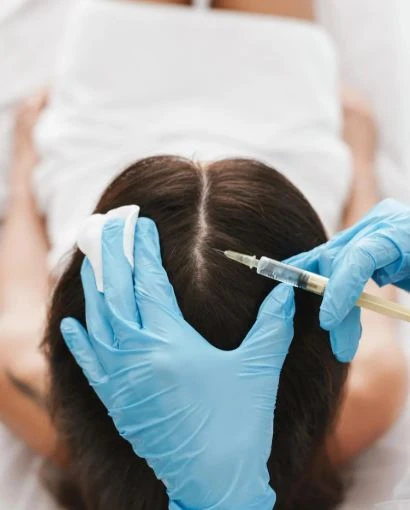
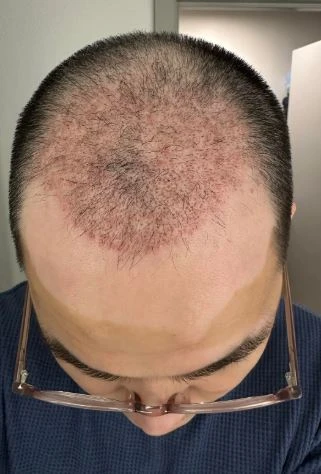
It starts with a scroll. One moment you’re casually flipping through Instagram Stories, and the next, you’re watching someone show off a miraculous hair transformation with a DIY kit. Another post features a sleek microneedling roller, a mysterious serum, and a testimonial that ends with “I can’t believe this worked!” Before you know it, you’re down the rabbit hole of hashtags, product links, and discount codes. Somewhere in that cascade of transformation tales, you notice the phrase hair prp—a buzzword many influencers subtly drop while promoting their at-home regrowth routines.
The Social Media Machine Behind Beauty Trends
Instagram isn’t just for aesthetic selfies anymore—it’s a thriving digital mall for beauty products, especially those promising dramatic results. And there’s arguably nothing more dramatic than reversing hair loss. The platform’s algorithm loves transformation stories, and so do users. One compelling before-and-after photo or a timelapse reel can instantly generate thousands of views and shares.
The allure comes from relatability and emotion. Hair thinning is a deeply personal struggle, and watching someone triumph over it from the comfort of their own bathroom resonates with millions. Unlike traditional ads, influencer content feels like a friend sharing a secret, making it easier to trust—and buy. This is how DIY hair regrowth kits, once niche and clinical, have found a devoted following.
Why DIY Hair Regrowth Kits Took Off
Affordability and accessibility are key. Hair restoration used to mean expensive clinic visits, PRP injections, or laser treatments that cost thousands. But Instagram has democratized the process. Now, for under $100, anyone can start a “hair regrowth journey” with a kit that promises real results. These kits often include scalp rollers (for microneedling), growth serums containing peptides or biotin, and sometimes LED light devices.
This combination of skincare-meets-science has given users a sense of empowerment. They no longer have to wait for medical appointments or prescriptions. The rise of video content also means every kit comes with tutorials—step-by-step guidance on how to use them, often styled as “My Hair Regrowth Routine.”
Another factor? Privacy. Many people dealing with hair loss feel embarrassed or hesitant to talk openly about it. With DIY kits, there’s no need to explain yourself to a doctor or a friend. You can take control in your own time and space.
The Real Results vs. Instagram Expectations
So, are these kits legit? In some cases, yes. Microneedling has been shown in studies to stimulate hair follicles by boosting blood circulation and triggering skin regeneration. When paired with serums rich in growth peptides, caffeine, or even minoxidil, results can be noticeable after consistent use.
However, not all products are created equal. Some kits are packed with marketing but lack real, effective ingredients. Others may work for certain hair types or causes of hair loss (like stress or postpartum thinning) but fall flat for hormonal or genetic balding. Instagram often skips these critical nuances.
One of the biggest issues is the false promise of speed. Hair regrowth is a long game—measured in months, not weeks. The glamorized visuals on Instagram compress time, leading viewers to expect rapid results. When reality hits, it can be disappointing or even discouraging.
Influencers, Trust, and the Fine Line Between Marketing and Misleading
Influencers play a central role in this trend. Their honesty—or lack thereof—can make or break a product’s reputation. Some content creators openly share their ups and downs, provide disclaimers, and post progress updates over time. These are the voices worth listening to.
But not everyone is transparent. A single sponsored post with styled lighting and a fresh haircut can masquerade as a legitimate transformation. This blurs the line between genuine endorsement and paid promotion, making it hard for followers to distinguish what really works.
It’s also important to consider the psychological impact. Seeing others achieve dramatic changes can trigger self-doubt and desperation, especially for those struggling with visible hair thinning. While social media may offer inspiration, it often amplifies insecurities—turning what should be a personal wellness decision into a public pressure point.
Should You Try a DIY Hair Regrowth Kit?
If you’re curious about DIY hair regrowth kits, proceed with cautious optimism. Start by researching ingredients. Look for peer-reviewed studies on tools like microneedling and LED therapy. Check whether the brand has clinical trials or dermatologist endorsements. Read honest reviews—preferably ones that document progress over several months, not just “Day 1 to Day 30” snapshots.
Also, consult a dermatologist if possible. Even if you plan to do treatment at home, a professional can help identify the root cause of your hair loss. They can also guide you on whether DIY kits are a suitable solution—or whether medical treatment would be more effective.
Most importantly, manage your expectations. While some users do report fuller, thicker hair with consistent use, results are never guaranteed. Think of these kits as one part of a broader strategy that includes diet, stress management, and scalp care.
Final Thoughts
Instagram has redefined the way we discover and adopt beauty treatments, and DIY hair regrowth kits are a prime example. They offer hope, empowerment, and a sense of control in a market that was once locked behind clinic doors and medical jargon. But with that power comes the need for discernment. Not every viral product is a miracle, and not every influencer is an expert.
The rise of these kits represents more than just a trend—it’s a cultural shift toward self-directed wellness. If you decide to try one, do it for yourself, not just for the algorithm. Because the real journey to healthier hair starts offline.











Sign in to leave a comment.