1. The Rhythmic Heartbeat of India: What Is an Indian Drum Circle?
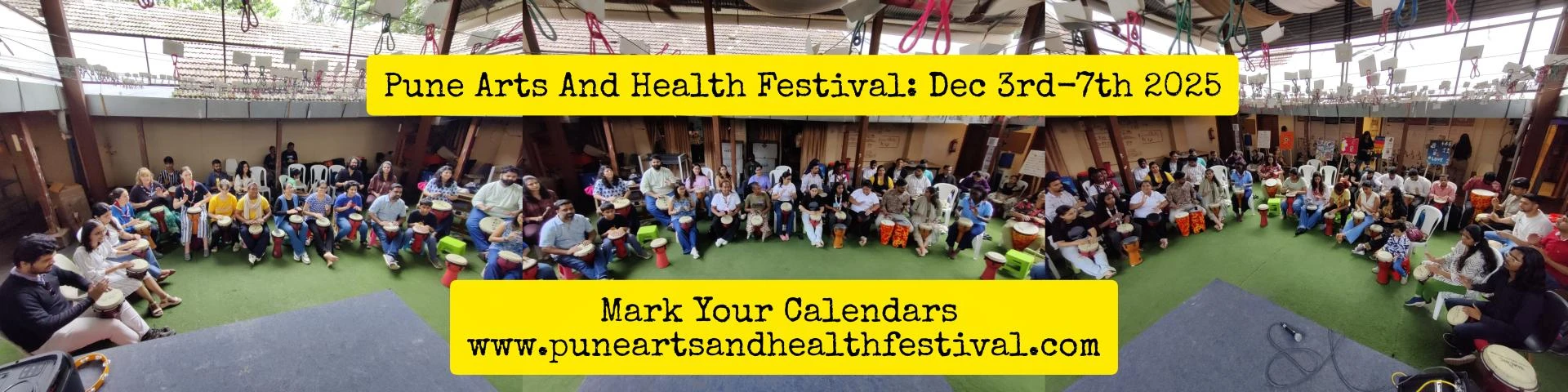
An Indian drum circle is more than a musical gathering—it’s a celebration of rhythm, energy, and connection. Rooted in India’s diverse percussion traditions, drum circles bring people together through the shared power of beats. Whether you’re a trained musician or simply love rhythm, these circles create a vibrant space where anyone can participate, express, and unwind through music.
In India, drum circles blend indigenous drumming styles with community-driven energy. They’re not just about making music—they’re about feeling it, syncing with others, and letting rhythm become a shared heartbeat. From corporate events to wellness retreats, the Indian drum circle is becoming a powerful tool for mindfulness, creativity, and collaboration.
2. The Origin and Evolution of Drum Circles in India
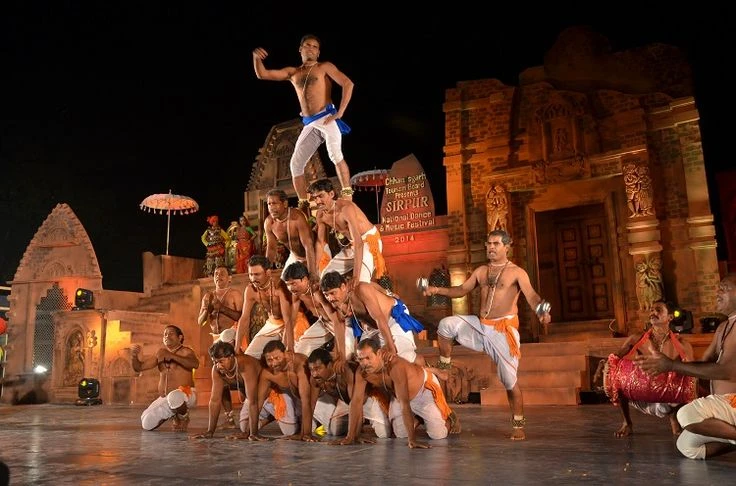
Drumming as a communal activity has ancient roots in India, often used during festivals, rituals, and village celebrations. However, the modern drum circle movement in India was inspired by global traditions—particularly African and Western community drumming practices—adopted and reimagined through an Indian lens.
Over time, these drum circles have grown into urban cultural phenomena. Today, cities like Pune, Delhi, and Bangalore host regular gatherings where participants experience freedom from stress while rediscovering the primal joy of rhythm.
3. Why Drum Circles Matter in Today’s World
In a fast-paced, tech-driven world, human connection often gets lost. Drum circles offer a refreshing escape—a return to simplicity and togetherness. Drumming together helps reduce stress, improve concentration, and foster unity.
The rhythmic synchronization between participants promotes a sense of belonging and emotional release. Many people find drumming meditative—it helps quiet the mind while engaging the body, offering both relaxation and empowerment.
4. The Cultural Essence of the Indian Drum Circle
Indian drumming has deep cultural and spiritual significance. Traditional instruments like the dhol, tabla, and mridangam symbolize not just sound, but storytelling, devotion, and emotion.
The Indian drum circle integrates these instruments with global rhythms, creating a cultural fusion that reflects India’s dynamic diversity. It becomes a space where heritage meets innovation—where ancient beats resonate with modern souls.
5. The Therapeutic Power of Drumming
Drumming isn’t just music—it’s therapy. Studies have shown that rhythmic group activities improve mental health, lower anxiety, and even enhance motor coordination.
In wellness programs and corporate workshops, drum circles are now used to boost morale, enhance teamwork, and relieve stress. The repetitive, structured beats create a sense of safety and flow that helps participants feel grounded and joyful.
6. Corporate and Educational Applications
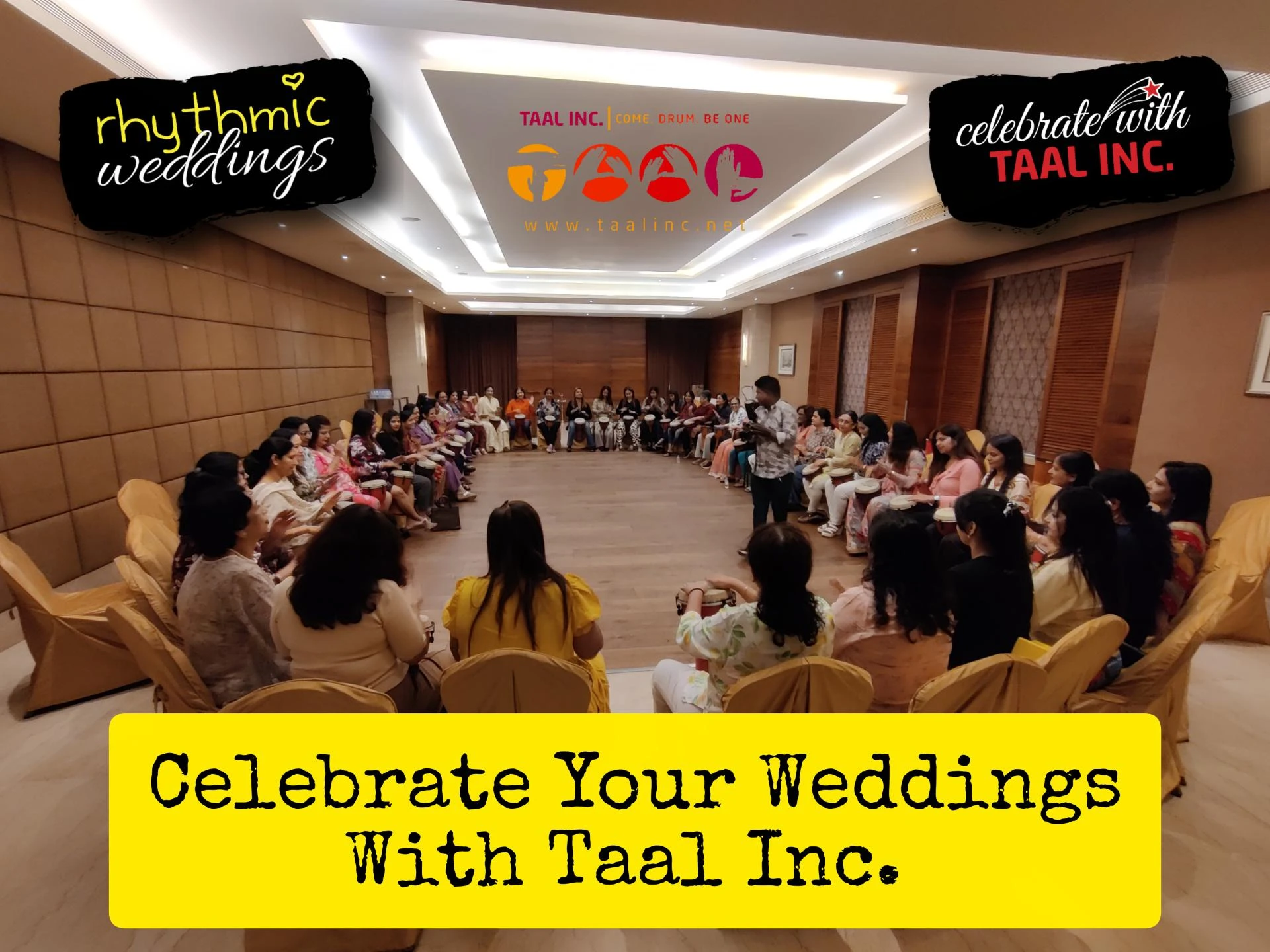
Drum circles are finding their way into workplaces and classrooms across India. For companies, they serve as powerful team-building activities, fostering communication and collaboration through rhythm. Employees learn to listen, respond, and contribute—skills essential for a healthy work culture.
In educational institutions, drum circles are used to enhance creativity, focus, and emotional intelligence among students. The participatory format makes them inclusive, ensuring that everyone—regardless of musical ability—can join in and contribute.
7. How an Indian Drum Circle Works
A typical drum circle is guided by a facilitator who helps participants explore rhythm in a structured yet flexible format. It usually begins with simple beats, gradually building into complex patterns as energy rises.
Instruments like djembes, congas, bongos, and Indian percussion such as dholaks and tablas blend together to form a powerful soundscape. The facilitator ensures that every participant finds their groove, creating a collective rhythm that feels organic and alive.
8. Experiencing the Energy Firsthand
Attending a live drum circle is a sensory experience unlike any other. The sound vibrations fill the space, creating a pulse that resonates deep within. As the beats intensify, participants often find themselves in a trance-like state of joy and release.
It’s not just about music—it’s about community. In an Indian drum circle, every beat counts, every participant matters, and every rhythm tells a story of connection.
9. Finding Drum Circles Near You
Drum circles are now widely available across India, led by professional facilitators and cultural organizations. Whether you’re in Pune, Mumbai, or Bangalore, you can join workshops, retreats, and community events designed for all skill levels.
Platforms like Taal Inc. have made drumming accessible to everyone, offering inclusive sessions that focus on fun, healing, and expression. Joining one is an invitation to rediscover your inner rhythm and connect with others through music.
10. Conclusion: The Universal Language of Rhythm
Music unites us—and drumming is its purest form. The Indian drum circle embodies togetherness, mindfulness, and creativity. It invites people from all walks of life to share their energy and emotions through rhythm.
If you’re looking to experience the pulse of togetherness, join a Delhi drum circle and immerse yourself in the soulful energy of live drumming. Let the beats connect your mind, body, and spirit—and rediscover the joy of rhythm.

















Sign in to leave a comment.