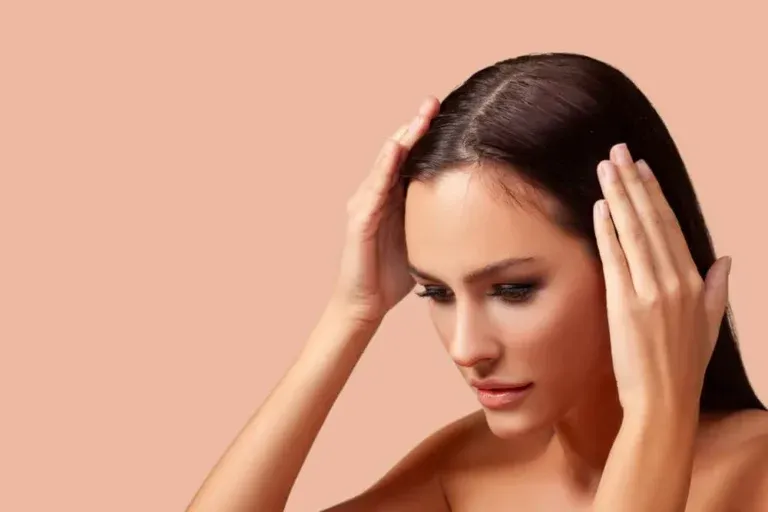

Hair loss in women is often silent but deeply personal.
Unlike men, where baldness is more socially accepted, women experiencing thinning hair, widening part lines, or receding edges often struggle quietly. Wigs, extensions, and styling tricks can help temporarily, but they don’t solve the root problem.
This is where a female hair transplant comes in not as a quick fix, but as a long-term, natural solution.
Let’s Start With the Real Question: Do Women Even Need Transplants?
Many women don’t realize they’re actually suitable candidates.
Hair transplants aren’t just for bald patches. A female hair transplant can help with:
- Thinning along the hairline
- Widening center part
- Traction alopecia (tight hairstyles)
- Eyebrow restoration
- Hair density improvement
It’s less about “baldness” and more about restoring natural fullness.
Why Female Hair Loss Is Different
Here’s where most blogs get it wrong—they treat male and female hair loss the same.
But in reality:
- Women usually experience diffuse thinning, not complete baldness
- Existing hair must be preserved carefully
- Hairline design must remain soft and natural
- Shaving the head is often NOT an option
That’s why a female hair transplant requires a completely different approach.
The Technique Behind It (Simplified)
Most procedures use a modified version of FUE, designed specifically for women.
Instead of shaving the entire head:
- Only small donor areas may be trimmed
- Hair follicles are extracted carefully
- Grafts are placed between existing hair
This makes the process more time-consuming but also more precise.
The Biggest Mistake Women Make
Choosing a clinic that treats them like a “standard case.”
A proper female hair transplant should NEVER be rushed or standardized.
Watch out for clinics that:
- Push high graft numbers without planning
- Ignore existing hair density
- Don’t specialize in female cases
Because once done wrong, it’s very hard to fix.
What a Good Result Actually Looks Like
Forget unrealistic expectations. A successful female hair transplant is not about extreme density it’s about natural blending.
Good results mean:
- Softer, fuller appearance
- No visible signs of surgery
- Hair that grows naturally with your own
- Gradual, believable transformation
Most people shouldn’t be able to tell you had anything done.
The Emotional Timeline (Not Just Physical)
This is something rarely talked about.
After a female hair transplant, the journey looks like this:
- Month 1: Shedding phase (can feel discouraging)
- Months 3–4: Early regrowth starts
- Months 6–8: Noticeable improvement
- 12 Months: Full transformation
The key is patience results build slowly but naturally.
Is It the Right Choice for You?
A female hair transplant is worth considering if:
- You’ve tried temporary solutions without success
- Your hair loss is stable
- You want a permanent, natural result
- You prefer low-maintenance beauty long-term
But it always starts with a proper consultation.
Why Expertise Matters More for Women
Female cases are more delicate and require:
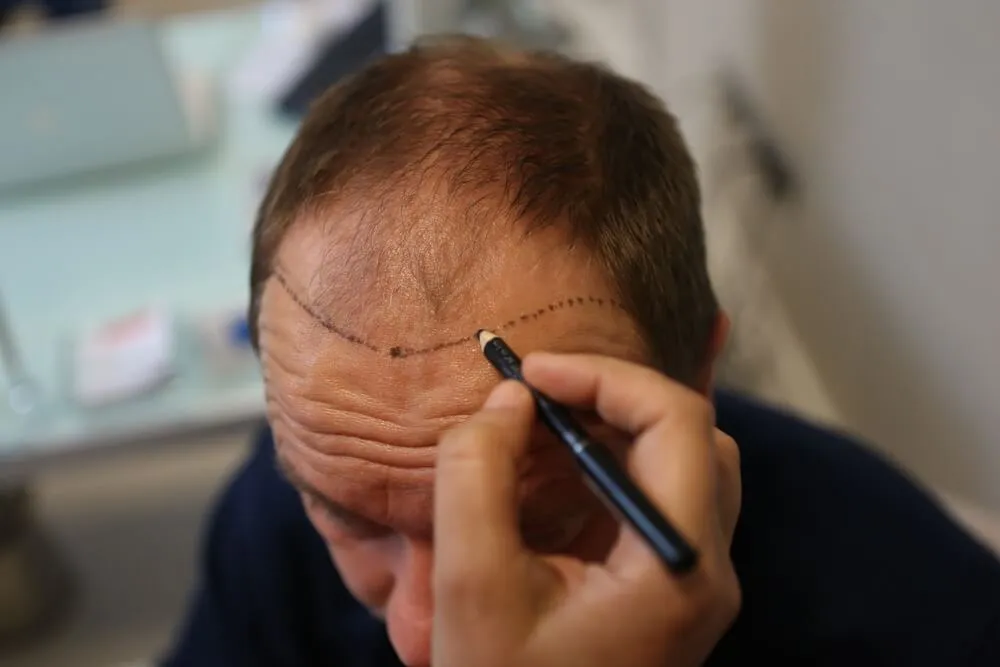
- Artistic hairline design
- Precision placement between existing hair
- Understanding of long-term hair loss patterns
This is why choosing the right clinic is even more important than the procedure itself.
Final Thoughts
Hair loss in women isn’t just physical it affects confidence, identity, and daily life. The good news is that solutions have evolved.
A female hair transplant offers a natural, long-term way to restore not just hair, but confidence without relying on temporary fixes.
If you’re considering a personalized and expert-led approach, Buk Clinic focuses on tailored treatments designed specifically for women, ensuring natural results that blend seamlessly with your existing hair.























Sign in to leave a comment.