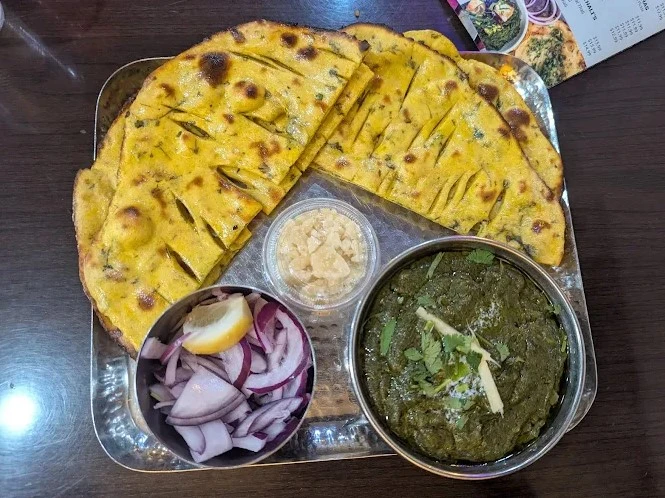

Today’s diners are health conscious; they look for different culinary techniques that don’t just make food delicious but also don’t destroy the nutrients in it. Fermentation is one such technique; used widely in India, fermentation makes Indian cuisine unforgettable. From soft, spongy idlis to the tang of dosas and the earthy complexity of pickles, fermentation has been at the heart of Indian culinary traditions for centuries. Today, every Indian restaurant in Jersey City uses this technique to offer authentic Indian taste.
In this blog, let’s learn the fermentation technique of Indian cuisine and how restaurants incorporate that.
Why Fermentation Matters in Indian Cuisine
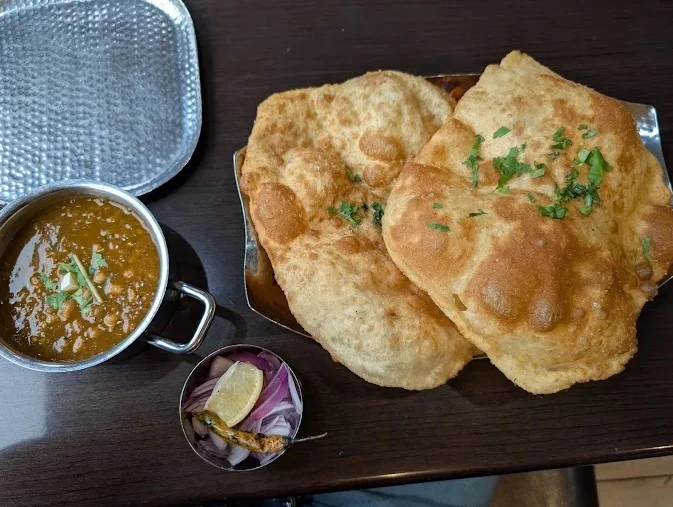
Firstly, let’s understand that fermentation is not just a cooking method; it’s a transformation, there’s a science behind it. By allowing grains, legumes, or vegetables to sit in controlled conditions, beneficial microorganisms break down starches and proteins, enhancing both taste and nutrition.
When used in Indian cuisine, fermentation develops unique sour notes, increases digestibility, and adds a signature aroma that makes dishes like dosa or dhokla so distinctive. Most Indian restaurants need to master this technique to cook authentic South Indian and West Indian specialties.
Classic Fermented Indian Dishes
Let’s take a look at the classic yet famous fermented Indian dishes:
- Idli and Dosa: These are the most popular South Indian dishes, made from a batter of rice and urad dal, fermented overnight to achieve softness and tang.
- Dhokla: This savory snack from Gujarat is eaten worldwide, made fluffy and light through fermentation of gram flour.
- Appam: A Kerala delicacy, rice-based pancakes with a spongy center and crispy edges, created through slow fermentation.
- Pickles (Achar): Fermentation of pickles is famous globally, vegetables and fruits preserved with salt and spices, allowed to ferment for depth of flavor.
These are just few examples of fermentation dishes that embody traditions that connect communities and families, now carried forward in every Indian restaurant in Jersey City.
The Science Behind Fermentation
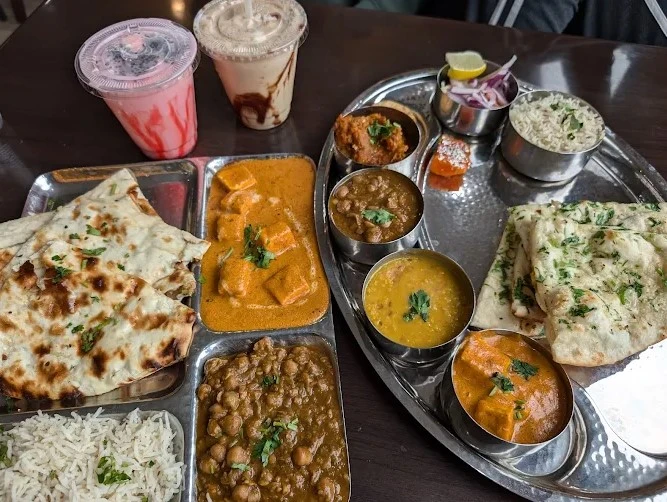
Now that we are clear of what fermentation, why it’s used in Indian cuisine, and what are some famous fermentation dishes, now let’s study the science behind it. Fermentation works because natural bacteria and yeast break down carbohydrates into organic acids and alcohol. In idli or dosa batter, lactic acid bacteria create the signature sour taste, while the process also boosts levels of B vitamins and probiotics.
This method makes dishes not just delicious but also easier to digest; this is the reason why idli and uttapam feel light on the stomach despite being filling.
Techniques Restaurants Use to Perfect Fermentation
Fermentation process and technique remain the same worldwide, but restaurants need to ensure consistency and flavor through these steps:
- Temperature Control: Fermentation thrives in warmth, so batters are often kept in warm corners of the kitchen overnight.
- Hygiene Practices: Maintaining clean containers ensures that only beneficial bacteria thrive.
- Batch Monitoring: Chefs taste and test fermentation levels to ensure the perfect tang and texture.
- Adaptation to Climate: In colder weather, fermentation may be extended or aided with gentle heating to mimic tropical conditions.
Following this carefully is how an Indian restaurant in Jersey City offers authentic textures and aromas.
Beyond Taste It Has Cultural Value
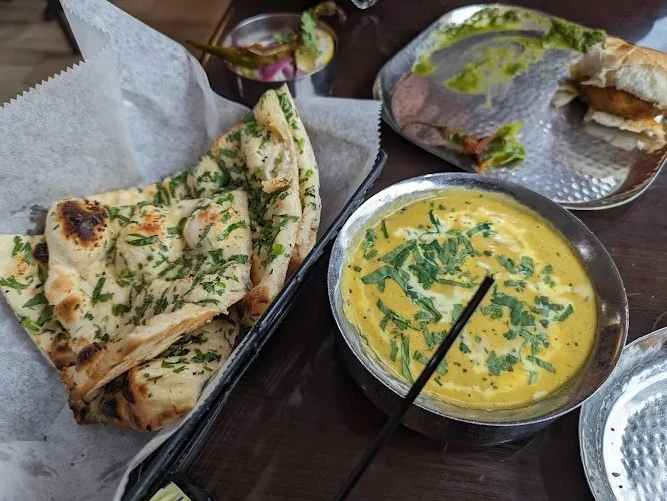
As mentioned above, fermentation is not just about the flavors and taste, it also has nutritional and cultural value. Fermented foods are known to aid digestion, improve gut health, and enhance immunity due to the presence of probiotics. For many Indian families living abroad, these dishes also serve as a nostalgic reminder of home, festivals, and traditions. Restaurants that preserve this practice becomes cultural touchstones for the community.
Modern Twists on Olden Traditions
Now that experimentation is a part of everything in the world, how can it remain behind from fermentation. Chefs are also experimenting with fusion dishes that incorporate fermentation. For example, fermented dosa batter may be used to create waffle-style dosas, or dhokla might be flavored with new herbs and spices for a contemporary twist.
Through this experimentation restaurants keep dishes relevant for younger diners. This also ensures hat the legacy of fermented Indian foods continues to thrive in Jersey City’s multicultural dining scene.
Taste Authentic Fermentation Method in Mithaas Restaurant!
If you haven’t before, then now is the time to experience the healthy yet tasty benefits of fermentation in Indian cuisine. Mithaas Restaurant, a leading Indian restaurant in Jersey City is famous for their authentic taste and techniques. Visit them to experience centuries of culinary wisdom preserved through fermentation. These techniques make every bite flavorful, wholesome, and memorable



























Sign in to leave a comment.