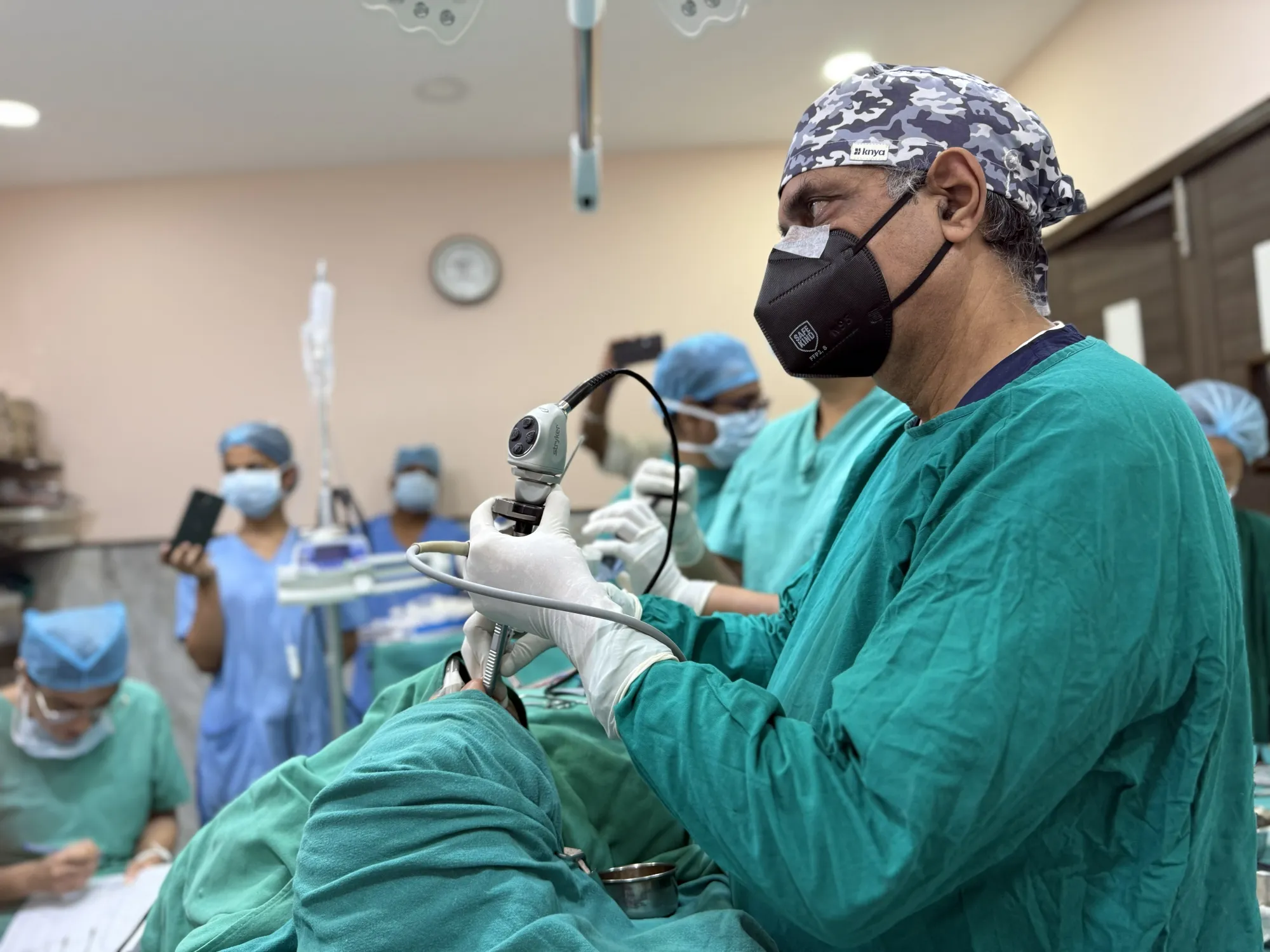

Are you suffering from chronic sinusitis, persistent facial pain, or constant nasal congestion that hasn't improved with medication? Functional Endoscopic Sinus Surgery (FESS) could be the solution you've been searching for. This minimally invasive procedure has revolutionized sinus treatment, offering lasting relief for millions. In this comprehensive guide, we'll explore everything about Functional Endoscopic Sinus Surgery, including its benefits, procedure details, recovery, and most importantly, the affordable Endoscopic Sinus Surgery cost in India – ranging from ₹60,000 to ₹2,00,000 depending on your location and hospital choice.
What Is Functional Endoscopic Sinus Surgery (FESS)?
Functional Endoscopic Sinus Surgery (FESS) is a minimally invasive technique for treating chronic and acute sinusitis. Developed in Austria in the 1970s and introduced to the United States in the mid-1980s, FESS has become the gold standard for sinus surgery worldwide.
Unlike traditional sinus surgery, FESS uses a rigid endoscope – a long, thin rod with illumination and visualization capabilities – inserted through the nostrils. This means no external incisions on the face, resulting in minimal scarring, reduced pain, and faster recovery.
The primary objective is to restore physiological ventilation and mucociliary transport by enlarging the natural drainage pathways of the sinuses, preventing mucus and pus buildup common in chronic sinusitis.
Key Benefits of Functional Endoscopic Sinus Surgery
Minimally Invasive Approach
- No external incisions or facial cuts
- Performed entirely through the nostrils
- Minimal tissue damage and bleeding
- Reduced post-operative pain
Faster Recovery Time
- Most patients return to normal activities within 7–10 days
- Hospital stay typically just 1 day
- Quicker return to work compared to traditional surgery
Superior Outcomes
- 85–90% success rate for chronic sinusitis
- Improved nasal breathing immediately after surgery
- Enhanced sense of smell and taste
- Significant reduction in sinus infection frequency
Long-Lasting Relief
- Provides permanent improvement in most patients
- Reduces or eliminates need for long-term medications
- Prevents recurrent sinus infections
Reduced Complications
- Lower risk compared to open sinus surgery
- Minimal scarring
- Preserves normal sinus function
When Is FESS Recommended?
Functional Endoscopic Sinus Surgery is indicated for patients experiencing:
- Chronic sinusitis lasting more than 12 weeks despite appropriate medical treatment
- Recurrent acute sinusitis (4 or more episodes per year)
- Nasal polyps blocking sinus drainage
- Deviated nasal septum combined with sinus problems
- Sinus tumors (benign or malignant)
- CSF leak closure (cerebrospinal fluid leak)
- Choanal atresia repair (congenital blockage)
- Foreign body removal from sinuses
- Severe epistaxis (nosebleed) control
Symptoms That May Require FESS
Consider discussing Functional Endoscopic Sinus Surgery with your ENT specialist if you experience:
- Persistent nasal congestion or blockage
- Chronic facial pain, pressure, or headaches
- Reduced or lost sense of smell
- Thick nasal discharge or post-nasal drip
- Frequent sinus infections despite antibiotics
- Tooth pain in upper jaw
- Fatigue due to poor sleep from congestion
- Cough worsened by post-nasal drip
The FESS Procedure: Step-by-Step Overview
Pre-Surgery Preparation
Your ENT specialist will conduct comprehensive assessments:
- Physical examination of nasal passages and sinuses
- Nasal endoscopy to visualize sinus openings
- CT scan of sinuses (₹1,500–₹4,000) to map sinus anatomy
- Blood tests and medical history review
- Allergy testing if needed
During the Procedure
| Aspect | Details |
|---|---|
| Duration | 2–4 hours depending on extent |
| Anesthesia | General anesthesia or local with sedation |
| Technique | Endoscope inserted through nostrils; specialized instruments enlarge sinus openings |
| Hospital Stay | Typically 1 day |
| Incisions | None – entirely through nostrils |
How FESS Works
- The surgeon inserts a rigid endoscope through the nostril
- Specialized surgical instruments designed for FESS are used alongside the endoscope
- The drainage pathways of the sinuses are enlarged
- Obstructed tissue, polyps, or bone are carefully removed
- Normal sinus ventilation and drainage are restored
Endoscopic Sinus Surgery Cost in India: Complete Breakdown
One of India's greatest advantages is the remarkably affordable Endoscopic Sinus Surgery cost in India compared to Western countries. Here's what you need to know:
Overall Price Range
| Patient Type | Cost Range (USD) | Cost Range (INR) |
|---|---|---|
| Indian Patients | $1,920–$2,560 | ₹1,42,080–₹1,89,440 |
| International Patients | $2,880–$3,520 | ₹2,14,080–₹2,61,600 |
| Average Range | - | ₹60,000–₹1,50,000 |
| CARE Hospitals Range | - | ₹41,000–₹1,50,000 |
City-wise Cost Comparison
| City | Minimum Cost (INR) | Maximum Cost (INR) |
|---|---|---|
| Delhi | ₹80,000 | ₹1,80,000 |
| Mumbai | ₹90,000 | ₹2,00,000 |
| Bangalore | ₹85,000 | ₹1,90,000 |
| Chennai | ₹75,000 | ₹1,70,000 |
| Hyderabad | ₹70,000 | ₹1,60,000 |
| Kolkata | ₹60,000 | ₹1,40,000 |
| Pune | ₹70,000 | ₹1,55,000 |
| Gurgaon | ₹85,000 | ₹1,95,000 |
| Noida | ₹1,15,440 | ₹1,92,400 |
| Jaipur | ₹1,07,744 | ₹1,72,390 |
| Ahmedabad | ₹1,03,126 | ₹1,70,851 |
FESS vs Traditional Endoscopic Sinus Surgery Cost
| Treatment Type | Cost Range (INR) |
|---|---|
| FESS (Functional Endoscopic Sinus Surgery) | ₹1,33,200–₹1,77,600 |
| Endoscopic Sinus Surgery (General) | ₹1,42,080–₹1,89,440 |
Factors Affecting Endoscopic Sinus Surgery Cost in India
- City and location: Metro cities like Mumbai and Delhi typically have higher costs
- Hospital type: Super-speciality hospitals charge more than multi-speciality hospitals
- Surgeon's experience: Senior ENT specialists may charge higher fees
- Extent of surgery: Number of sinuses requiring treatment
- Additional procedures: Septoplasty or turbinate reduction may be needed
- Type of endoscope: Advanced 3D endoscopes cost more
- Insurance coverage: Affects out-of-pocket expenses
Recovery After FESS: What to Expect
First Week Post-Surgery
- Nasal packing or splints may remain for 3–5 days
- Mild bleeding and discharge are normal
- Keep your head elevated while sleeping
- Avoid blowing your nose forcefully
- Use saline nasal sprays as prescribed
Weeks 2–4
- Most patients resume normal activities within 7–10 days
- Regular nasal irrigations with saline solution
- Follow-up visits for nasal cleaning (typically at 1 week, 2 weeks, and 1 month)
- Gradual improvement in breathing continues
Full Recovery
- Complete healing takes 3–6 weeks
- Final results may take 2–3 months as swelling subsides
- Avoid strenuous exercise for 4–6 weeks
- Continue nasal care routine as recommended
Practical Tips for FESS Success
Before Surgery
- Stop smoking at least 2 weeks before (significantly delays healing)
- Avoid blood-thinning medications like aspirin or ibuprofen (consult your doctor)
- Arrange for someone to accompany you on surgery day
- Fill prescriptions for antibiotics and nasal sprays beforehand
- Fast for 8–12 hours before surgery if general anesthesia is planned
After Surgery
- Perform saline nasal irrigations 3–4 times daily as instructed
- Use prescribed nasal steroid sprays consistently
- Apply cold compresses to reduce facial swelling
- Stay well-hydrated and eat soft, cool foods initially
- Use a humidifier in your bedroom for comfort
- Avoid heavy lifting, bending over, or straining for 2–3 weeks
- Don't blow your nose forcefully for at least 2 weeks
Real Case Study: Amit's Journey from Faridabad
Amit, a 42-year-old business owner from Faridabad, Haryana, suffered from chronic sinusitis for 8 years. Despite trying multiple courses of antibiotics, nasal sprays, and steroids, he experienced persistent facial pain, constant congestion, and frequent infections (6–8 times yearly).
His ENT specialist recommended Functional Endoscopic Sinus Surgery. Amit underwent FESS at a multi-speciality hospital in Gurgaon for ₹95,000 (including all charges – surgeon fee, hospital, anesthesia, and medications).
The surgery took 2.5 hours under general anesthesia. He stayed 1 day in the hospital and returned to work within 10 days. At his 3-month follow-up, Amit reported:
- Complete resolution of facial pain
- Normal nasal breathing without congestion
- No sinus infections in 3 months (first time in 8 years)
- Improved sense of smell
- Significant improvement in sleep quality
Amit described FESS as "transformative," stating he couldn't imagine going back to his previous quality of life.
Important Considerations Before FESS
Timing Considerations
- Ensure you've tried appropriate medical treatment first (antibiotics, nasal steroids, saline irrigations) for at least 3 months
- Postpone surgery if you have active respiratory infections
- Discuss thoroughly with your doctor if you have bleeding disorders, diabetes, or heart conditions
Potential Risks to Know
While FESS is generally very safe with low complication rates, potential risks include:
- Temporary or permanent change in sense of smell (rare)
- Persistent nasal obstruction
- Bleeding (usually minor)
- Infection (rare with antibiotics)
- Orbital injury (eye damage – extremely rare, <1%)
- CSF leak (extremely rare, <0.5%)
- Need for revision surgery (10–15% of cases)
Choosing the Right Doctor
Look for these essential qualifications:
- Qualified ENT specialist with FESS certification and extensive experience
- Minimum 100+ FESS procedures performed
- Positive patient reviews and testimonials
- Modern hospital with advanced endoscopic equipment
- Transparent pricing with no hidden costs
- Willingness to explain procedure thoroughly and answer all questions
Insurance Coverage for FESS in India
Good news: Functional Endoscopic Sinus Surgery is typically covered under health insurance in India as it's a medically necessary procedure for chronic sinusitis.
- Individual policies: Coverage begins after 2 years from policy inception
- Company/group policies: Often covered from day one
- Cashless facilities: Available at most network hospitals across India
- Pre-authorization: Required before surgery begins
Always verify with your insurance provider about:
- Coverage limits and sub-limits for ENT surgery
- Waiting periods for pre-existing conditions (chronic sinusitis is often pre-existing)
- Hospital network list in your area (especially in Delhi NCR, Haryana)
- Document requirements for claims processing
FAQ Section: FESS Surgery Questions Answered
1. What is the average Endoscopic Sinus Surgery cost in India?
The average Endoscopic Sinus Surgery cost in India ranges from ₹60,000 to ₹1,50,000, with FESS specifically costing ₹1,33,200–₹1,77,600 depending on city, hospital, and complexity.
2. Is FESS surgery painful?
Most patients experience mild to moderate discomfort for the first 2–3 days, easily managed with prescribed pain medication. Significant pain is rare due to the minimally invasive nature.
3. How long does FESS surgery take?
The procedure typically takes 2–4 hours depending on the extent of surgery required and number of sinuses being treated.
4. Is FESS performed under general anesthesia?
FESS can be performed under general anesthesia (most common) or local anesthesia with sedation, depending on case complexity and patient preference.
5. When will I notice improvement after FESS?
Most patients notice significant breathing improvement within 1–2 weeks, with continued gradual improvement over 2–3 months as swelling completely subsides.
6. Is FESS permanent?
Yes, FESS provides long-lasting relief for most patients. However, some may need revision surgery (10–15% of cases) if sinusitis recurs.
7. Does insurance cover FESS in India?
Yes, FESS is covered under most health insurance plans as it's medically necessary for chronic sinusitis. Individual policies cover after 2 years; company policies may cover immediately.
8. What's the difference between FESS and traditional sinus surgery?
FESS is minimally invasive, uses an endoscope through nostrils with no external incisions, has faster recovery, and preserves normal sinus function better than traditional open surgery.
9. How long is the hospital stay for FESS?
Hospital stay is typically 1 day for most patients, with some going home the same day in day-care procedures.
10. What is the success rate of FESS?
FESS has an 85–90% success rate for chronic sinusitis, with most patients experiencing significant and lasting improvement in symptoms.
Conclusion
Functional Endoscopic Sinus Surgery (FESS) is a safe, highly effective, and minimally invasive procedure that has revolutionized treatment for chronic and acute sinusitis. With an 85–90% success rate, FESS offers lasting relief from nasal congestion, facial pain, and recurrent sinus infections, dramatically improving quality of life.
What makes India an excellent choice for Functional Endoscopic Sinus Surgery is not just the high quality of care from qualified ENT specialists and modern hospitals with advanced endoscopic equipment, but also the remarkably affordable Endoscopic Sinus Surgery cost in India. With prices ranging from ₹60,000 to ₹2,00,000 (average ₹60,000–₹1,50,000), you receive world-class treatment at a fraction of Western prices.
























Sign in to leave a comment.