
Introduction
Most organizations still rely on passwords combined with OTPs or SMS codes. While these methods add layers of security, they remain vulnerable to modern attacks. This has led security teams to evaluate phishing-resistant security keys as a replacement.
This article compares FIDO2 security keys with passwords, OTPs, and SMS-based authentication.
Why Passwords Fail
Passwords are vulnerable because:
- They are reused across services
- They can be phished
- They are stored in databases that get breached
Even strong passwords fail when users are tricked into revealing them.
Limitations of OTP and SMS Authentication
One-time passwords and SMS codes improve security but are still exploitable through:
- SIM-swap attacks
- Real-time phishing
- Malware interception
These methods still rely on shared secrets.
How FIDO2 Security Keys Change the Model
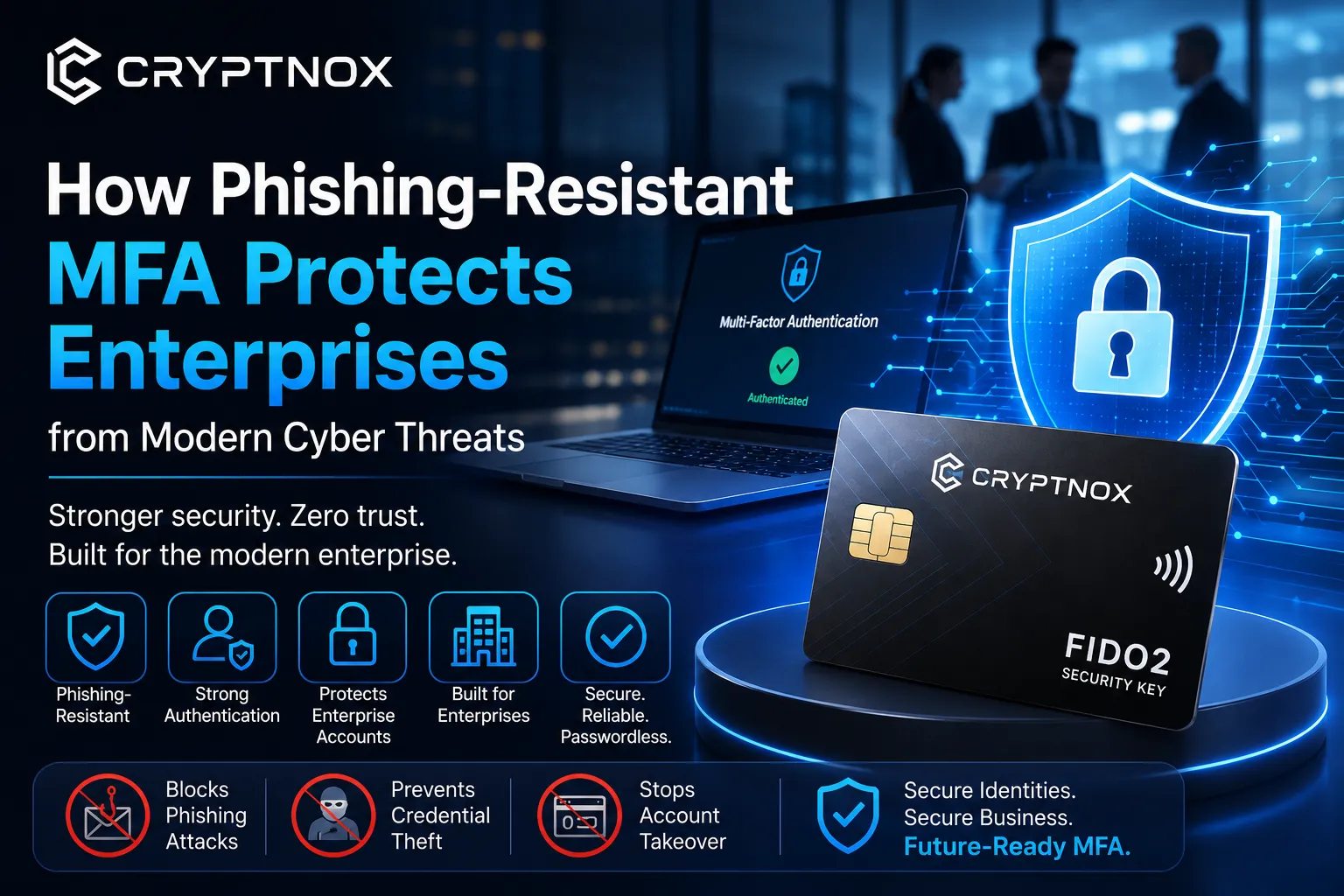
A phishing-resistant security key eliminates shared secrets entirely. Authentication is based on cryptographic proof and physical possession of the device.
A comparison of FIDO2 and older standards is explained here:
👉 https://cryptnox.com/fido2-vs-fido-u2f-security-keys/
Security Comparison Table
| Method | Phishing Resistant | Hardware Protected |
| Passwords | ❌ | ❌ |
| SMS OTP | ❌ | ❌ |
| App-based OTP | ⚠️ | ❌ |
| FIDO2 Security Key | ✅ | ✅ |
Why Organizations Are Switching
Organizations adopting FIDO2 report:
- Fewer account takeovers
- Lower IT support costs
- Strong compliance alignment
Hardware-based authentication is now recommended in many security frameworks.
Conclusion
Passwords and OTPs were designed for a different era. FIDO2 security keys provide a modern, phishing-resistant authentication model that significantly improves security and usability.

























Sign in to leave a comment.