
Addiction affects thousands of South African families. It does not care about income, education, or background. A person struggling with substance abuse might be a teenager, a parent, a professional, or a retiree. The grip of addiction is powerful, and breaking free usually requires more than willpower alone. Professional help gives people the tools and support they need to recover.
When someone is ready to get help, the question becomes where to go. Searching for rehab near me brings up many options. Choosing the right facility can feel overwhelming, but understanding what different programmes offer makes the decision easier. The right fit depends on the individual’s situation, the substance involved, and what kind of environment will support their recovery best.
Understanding What Rehab Involves
Rehab is short for rehabilitation, a process that helps people stop using substances and learn to live without them. It is more than just stopping the drug or drink. It involves understanding why the addiction developed, learning new coping skills, and building a life that supports sobriety.
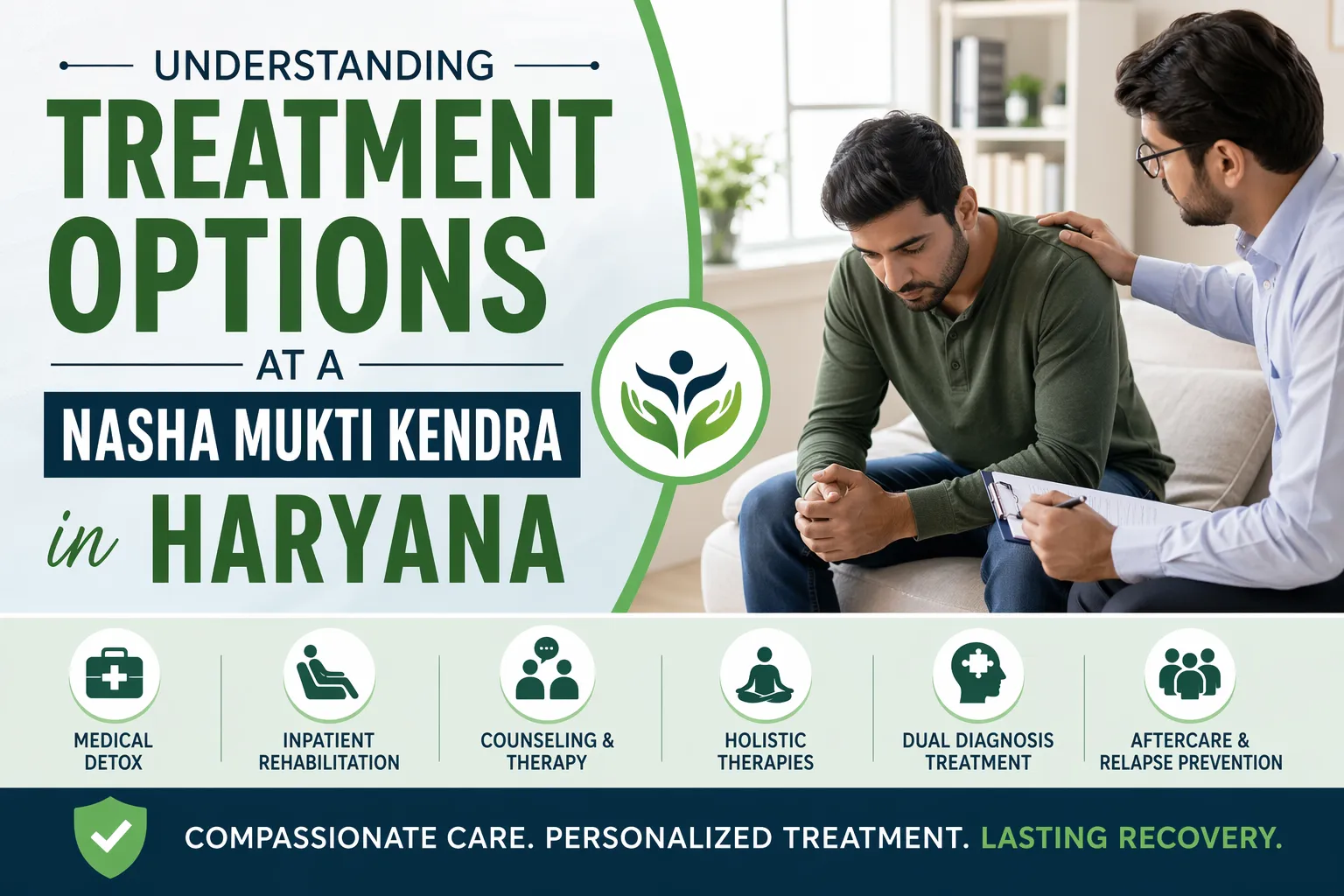
Most programmes start with detox, where the body clears itself of the substance. This can be uncomfortable or even dangerous depending on what was being used. Medical supervision during detox keeps people safe and manages withdrawal symptoms. Once detox is complete, the real work of recovery begins.
Therapy forms the core of treatment. Individual counselling helps people understand their addiction and work through personal issues. Group sessions connect people with others going through the same struggles. Family therapy repairs damaged bonds and teaches loved ones how to support recovery without enabling old behaviours.
Types of Treatment Programmes
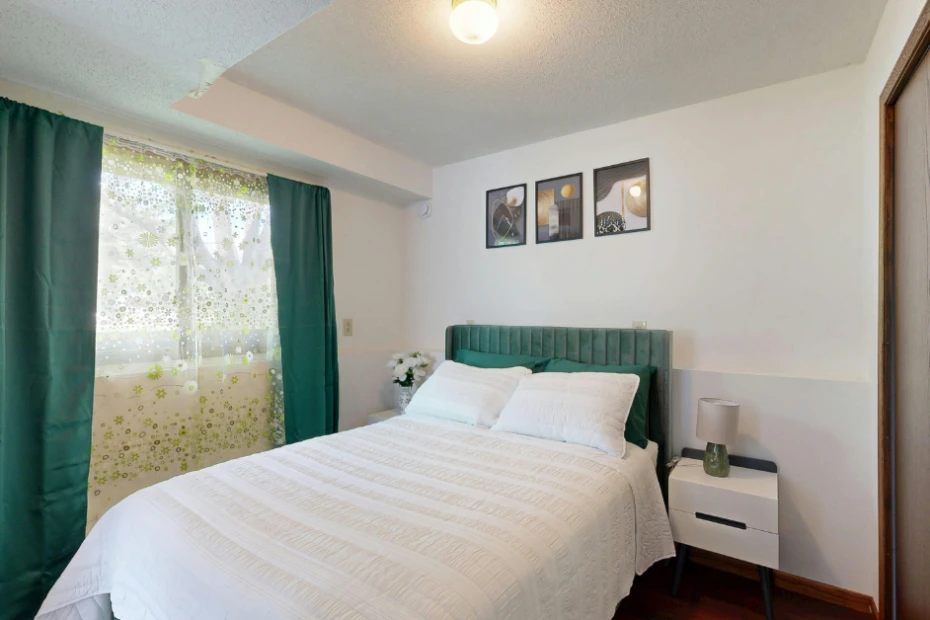
Rehabilitation centres offer different levels of care. Inpatient or residential programmes have people stay at the facility full-time. They live there, eat there, and participate in structured activities throughout the day. This removes them from environments and triggers associated with their substance use.
Outpatient programmes allow people to live at home while attending treatment sessions during the day or evening. This works well for those with milder addictions or strong support systems at home. It lets people continue working or caring for family while getting help.
The length of treatment varies. Some programmes run for 28 days. Others last 60 or 90 days. Longer programmes often have better outcomes for severe addictions. The brain needs time to heal and new habits need time to form. Rushing the process increases the risk of relapse.
Getting Help for Different Substances
Drug rehab programmes address addictions to substances like heroin, cocaine, methamphetamine, prescription painkillers, and cannabis. Each drug affects the brain differently, and treatment approaches may vary. Some drugs require medication-assisted treatment to manage cravings and prevent relapse.
Alcohol rehab focuses on the specific challenges of alcohol addiction. Alcohol is legal and socially accepted, which makes recovery different from illegal drugs. People in recovery will encounter alcohol at braais, weddings, and work functions. Learning to handle these situations without drinking is a big part of treatment.
Many people struggle with more than one substance. Drug and alcohol rehab programmes treat both issues together. Using multiple substances complicates recovery, but integrated treatment addresses all the addictions at once rather than tackling them separately.
Finding the Right Facility
People searching for rehabilitation centres near me should look at several factors. The qualifications of the staff matter. Counsellors and therapists should have proper training and registration. Medical staff should be on hand, particularly during detox. A well-run facility will be transparent about who provides care.
The treatment approach should match the person’s needs. Some facilities use 12-step programmes based on the model used by groups like Alcoholics Anonymous. Others take different approaches like cognitive behavioural therapy or holistic methods. Neither is automatically better; what matters is finding what works for the individual.
Location is worth thinking about. Some people do better when they are far from home, away from familiar people and places associated with their substance use. Others need to stay close to family support. Those looking for rehab centres near me might find local options convenient, while others might benefit from getting away.
Treatment Options Across the Country
Rehab in South Africa ranges from basic facilities to high-end centres with resort-like settings. The cost varies widely. Some medical aids cover addiction treatment, though limits and conditions apply. Government facilities offer more affordable options for those without medical aid or private funds.
Rehabilitation centres in South Africa are found in all major cities and many smaller towns. Gauteng, the Western Cape, and KwaZulu-Natal have the most options. Rural areas have fewer facilities, which may mean travelling for treatment.
Quality matters more than luxury. A basic facility with excellent counsellors and a solid programme will produce better results than a fancy place with weak treatment. Asking about success rates, follow-up support, and staff qualifications gives useful information. Speaking to former patients or their families can provide honest insights.
Specialised Treatment Options
Drug rehabilitation centres may specialise in particular substances or populations. Some focus on younger people whose brains are still developing. Others work with professionals who need confidential treatment to protect their careers. Women-only and men-only programmes provide safe spaces for discussing sensitive issues.
Alcohol rehab in South Africa is particularly important given the country’s high rates of alcohol abuse. Drinking is deeply embedded in many social settings. Treatment needs to prepare people for a lifetime of navigating situations where alcohol is present.
Rehab for alcoholics addresses both the physical dependence and the psychological patterns that keep people drinking. Breaking the physical addiction is only the start. Understanding triggers, building healthy coping mechanisms, and creating a supportive environment are all part of lasting recovery.
What Makes a Good Programme
The best rehab in South Africa for any person is one that meets their specific needs. A good programme offers individualised treatment plans rather than a one-size-fits-all approach. It addresses mental health issues alongside addiction, since many people use substances to cope with depression, anxiety, or trauma.
Aftercare is just as important as the initial treatment. Recovery does not end when someone leaves the facility. Good programmes provide ongoing support through follow-up sessions, support groups, and help with reintegration into daily life. The months after leaving rehab are high-risk for relapse, and continued support makes a real difference.
Family involvement strengthens recovery. Addiction affects everyone close to the person struggling. Programmes that educate families about addiction and teach them how to support recovery without enabling create a healthier home environment for the person returning from treatment.
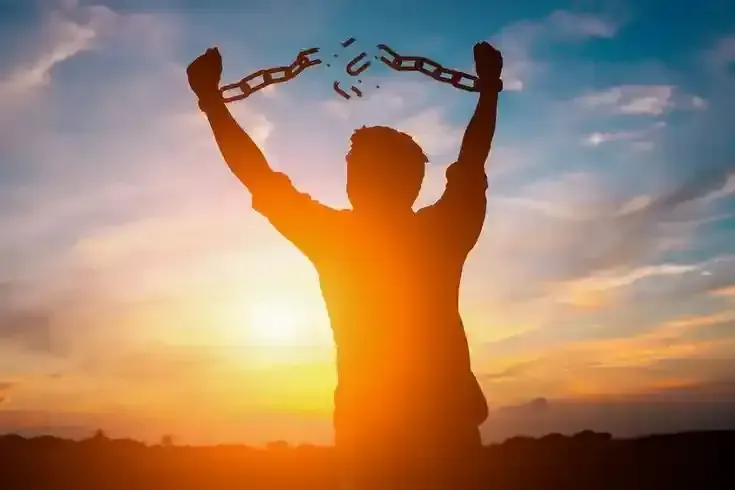
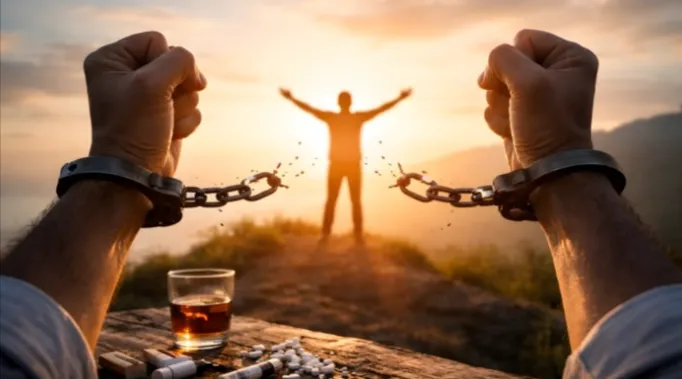
Taking the first step toward treatment is hard. Admitting there is a problem and asking for help requires courage. But thousands of South Africans have walked this path and come out the other side with their lives back. Recovery is possible. The right support makes it achievable.



























Sign in to leave a comment.