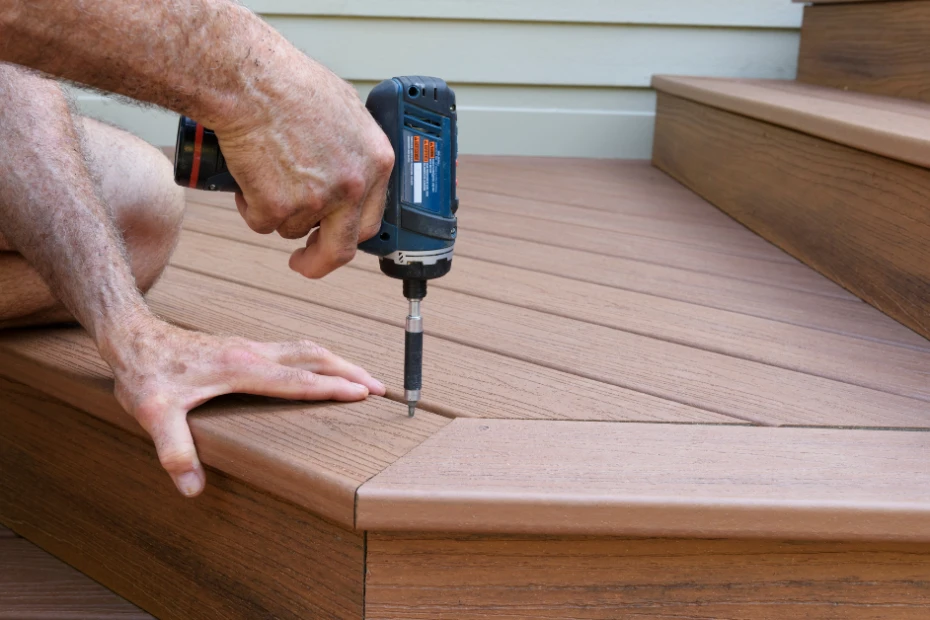

Australian backyards are made for outdoor living. Weekend barbecues, morning coffees in the sun, and evenings watching the kids play are all part of life here. A good deck extends the living space outside, creating a spot for all these moments. But choosing the right decking material makes a big difference to how much enjoyment the space provides and how much work it takes to keep it looking good.
Composite decking has become a popular choice for Australian homeowners who want attractive outdoor areas without the constant upkeep that traditional timber demands. Made from a mix of wood fibres and plastic polymers, this material offers the look of natural wood with better durability and far less maintenance. For busy families and anyone who would rather spend weekends relaxing on their deck than maintaining it, composite offers a practical solution.
The shift toward composite materials reflects changing priorities. People want quality time outdoors, not more chores. They want materials that can handle the harsh Australian sun, resist termites, and still look good years after installation. Understanding what composite decking offers helps homeowners make informed decisions about their outdoor spaces.
What Makes Composite Different from Timber
Traditional timber decking has been the standard choice for decades. Hardwoods like merbau, spotted gum, and jarrah create beautiful outdoor spaces. But timber comes with demands. It needs regular oiling or staining to prevent greying and cracking. It can splinter, warp, and rot if not properly maintained. Termites see it as a meal. In the Australian climate, timber decks can look tired and worn within just a few years if the upkeep is neglected.
Composite decking boards take a different approach. The combination of recycled wood fibres and high-density polyethylene creates a material that resists the problems timber faces. The plastic component makes the boards resistant to moisture, so they do not rot or warp like solid wood. The wood fibres give the surface a natural appearance and texture. Modern manufacturing techniques create boards that look remarkably like real timber without the downsides.
The surface of quality composite boards is capped with a protective shell that resists staining, fading, and scratching. Spill some red wine at a barbecue and it wipes off without leaving a mark. Drop a hot coal from the grill and the surface will not scorch like timber would. These practical advantages add up over years of use, making the deck a more enjoyable space rather than a source of stress.
Termites, which cause billions of dollars of damage to Australian homes each year, have no interest in composite materials. The plastic content makes the boards inedible to these pests. For homeowners in termite-prone areas, this alone can be a deciding factor. The cost of termite damage to a timber deck far exceeds any price difference in materials.
Understanding Quality and Pricing
When shopping for composite decking boards, price comparisons can be confusing. The market includes products at many different price points, and understanding what drives these differences helps buyers make smart choices. Not all composite is created equal, and the cheapest option is rarely the best value over time.
Entry level composite boards are often uncapped, meaning they lack the protective outer layer that premium products have. These boards can fade, stain, and show wear more quickly. They may also have a more plastic appearance that does not match the natural timber look most homeowners want. While the upfront cost is lower, the shorter lifespan and earlier replacement needs make them more expensive in the long run.
Mid-range and premium composite decking prices reflect better materials and manufacturing. Capped boards with UV-resistant shells maintain their colour for decades. Higher wood fibre content creates a more natural look and feel. Better quality control during manufacturing means fewer defects and more consistent boards. These products typically come with longer warranties, sometimes 25 years or more, which shows the manufacturer’s confidence in their durability.
Comparing prices fairly means looking at the total cost of ownership, not just the purchase price. A timber deck that needs oiling twice a year, sanding every few years, and replacement boards as they rot will cost far more over two decades than a composite deck that just needs occasional cleaning. When the labour time for maintenance is factored in, the value equation shifts even further toward low-maintenance options.
Composite Decking Across Australian Cities
Different regions of Australia present different challenges for outdoor decking. The material that works perfectly in one location might struggle in another. Understanding local conditions helps homeowners choose products suited to their specific environment.
Composite decking Sydney homeowners face a humid subtropical climate with hot summers and mild winters. The combination of heat and moisture can be tough on outdoor materials. Composite handles these conditions well, resisting the warping and mould growth that can affect timber in humid environments. The UV protection in quality boards prevents the intense summer sun from fading colours quickly.
Further north, composite decking Brisbane and surrounding areas experience even more intense heat and humidity. Summer storms drop heavy rain that can pool on flat surfaces. Quality composite boards have channels on the underside that allow water to drain away, preventing the moisture buildup that leads to problems with other materials. The resistance to mould and mildew keeps decks looking clean in the tropical conditions.
Composite decking Gold Coast installations need to handle salt air on top of the heat and humidity. Properties near the beach face accelerated corrosion of metal fixings and faster degradation of many materials. Composite boards themselves resist salt damage well, though stainless steel or coated fixings should be used for the subframe. The combination creates a deck that handles coastal conditions without the rapid deterioration that affects timber near the ocean.
Down south, composite decking Melbourne needs to handle four seasons in one day, as locals like to say. Cold mornings, hot afternoons, rain, and sunshine can all happen within hours. This temperature variation causes timber to expand and contract, leading to cracking and gaps between boards. Composite materials handle these swings more gracefully, maintaining their structure through the temperature changes that Melbourne weather brings.
The Australian Market for Composite Materials
Composite decking Australia has grown significantly over the past decade. What started as a niche product has become a mainstream choice. Builders, landscapers, and homeowners have all seen the benefits in action, and word has spread. New housing developments often include composite decking as standard, recognising the value it offers to homebuyers.
The range of products available has expanded to meet this demand. Colours now include natural timber tones like grey, brown, and red, as well as contemporary options like charcoal and black. Board profiles range from traditional plank styles to wider formats that reduce visible joins. Some products feature multi-tonal colouring that mimics the natural variation found in timber, creating a more authentic appearance.
Australian suppliers now stock products tested and rated for local conditions. Building codes require decking materials to meet certain performance standards, and reputable suppliers provide documentation showing their products comply. This gives homeowners confidence that the materials will perform as expected in Australian conditions, not just in the cooler, less demanding environments where some overseas products are designed for.
The environmental credentials of composite decking appeal to many Australian buyers. Products made from recycled materials keep plastic out of landfill and reduce demand for virgin timber. The long lifespan means fewer replacements and less waste over time. For environmentally conscious homeowners, these factors add to the appeal of choosing composite over traditional timber.
Understanding Different Composite Products
Composite lumber decking describes products that closely mimic the properties of natural lumber while adding the benefits of composite materials. These boards are designed to be worked with standard woodworking tools, making them accessible to DIY installers and familiar to professional builders. They can be cut, drilled, and shaped much like timber, but without the splintering and variation in hardness that makes working with natural wood challenging.
The lumber style of composite tends to have a higher wood fibre content, giving it a more natural feel underfoot. Walking barefoot on a quality composite lumber deck feels much like walking on timber, not plastic. The surface texture is designed to grip without being rough, reducing slip risk when wet while remaining comfortable for bare feet in summer.
Composite wood decking boards come in various profiles to suit different applications. Solid boards are the traditional choice, offering maximum strength and a substantial feel. Hollow core boards are lighter and often more affordable, with internal chambers that reduce weight without sacrificing surface durability. The choice between solid and hollow depends on the specific project requirements and budget.
Some products are designed for specific uses beyond standard decking. Pool surrounds, balconies, rooftop terraces, and commercial boardwalks all have particular requirements. Products rated for these applications may have enhanced slip resistance, fire ratings, or load capacities. Matching the product to the application is an important part of getting good results from a composite decking project.
Installation Considerations
Installing composite decking follows similar principles to timber, with a few important differences. The subframe, made from treated timber or aluminium, supports the boards just as it would with traditional decking. Spacing between boards needs to allow for some expansion and contraction with temperature changes. Following manufacturer guidelines for installation is important, as different products have different requirements.
Hidden fixing systems are popular with composite decking. Rather than visible screws through the board surface, clips slot into grooves on the board edges and attach to the joists underneath. This creates a clean surface without screw heads and reduces the risk of water penetrating around fixings. The finished appearance is smooth and uninterrupted, which many homeowners prefer.
Ventilation underneath the deck is important for all decking materials, including composite. Air needs to circulate to prevent moisture buildup against the underside of the boards. Proper ground preparation, including weed barriers and drainage, protects the structure and the deck above it. Cutting corners on the substructure will cause problems regardless of how good the decking material is.
Professional installation makes sense for larger or more complex projects. While composite is DIY-friendly for simple ground-level decks, elevated structures, stairs, and multi-level designs benefit from professional expertise. A deck builder experienced with composite materials will know the best practices for the specific products being used and can handle the structural engineering requirements that complex designs need.
Caring for a Composite Deck
One of the main selling points of composite is low maintenance, and the reality matches the promise. Regular sweeping to remove leaves and debris is usually all that is needed for day-to-day care. Leaves left sitting on the deck can stain some surfaces, so keeping them cleared prevents marks forming. A quick sweep every week or two keeps the deck looking its best.
Periodic washing with water and a mild detergent handles any buildup of dirt or grime. A garden hose and soft brush are all that is needed. Pressure washers can be used on most composite products, though checking the manufacturer’s recommendations for pressure limits is sensible. Most marks and stains come off easily with basic cleaning.
Unlike timber, composite does not need oiling, staining, or sealing. There are no annual treatments to apply. The colour is built into the material, so it does not need refreshing. Over 10 or 20 years of ownership, the hours saved on maintenance add up significantly. That time can be spent enjoying the deck instead of working on it.
Furniture and planter pots can leave marks if they trap moisture against the deck surface for extended periods. Using feet or stands under heavy items allows air to circulate and prevents this issue. Moving furniture occasionally helps too. These simple precautions keep the deck looking uniform over its lifespan.
Choosing decking materials involves balancing appearance, performance, maintenance, and cost. Composite products offer a compelling combination of good looks, durability, and easy care that suits the Australian lifestyle. Whether the project is a small courtyard deck or a large entertaining area, composite materials provide a practical foundation for outdoor living spaces that will serve well for decades to come.






























Sign in to leave a comment.