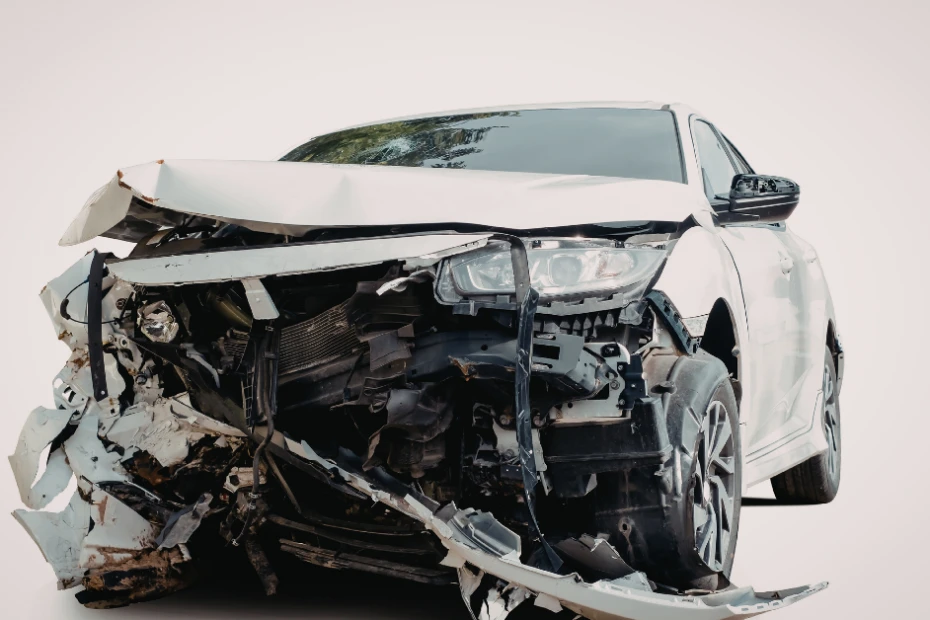

Every car has a lifespan. Some last longer than others, but at some point, repairs become too expensive and keeping the vehicle on the road stops making sense. When the cost to fix a car is more than what it’s worth, many owners start asking themselves: where can I sell my car with mechanical problems?
The good news is there are buyers out there looking for cars in any condition. Whether the engine has given up, the gearbox is shot, or there’s been accident damage, someone will pay cash for it.
Why People Sell Cars in Poor Condition
There are plenty of reasons why a car ends up sitting in a driveway or garage, collecting dust. Maybe it was in a crash and the insurance payout wasn’t enough to cover repairs. Perhaps the engine blew and a new one costs more than the car is worth. Or it could be an older vehicle where parts are hard to find.
Whatever the reason, trying to sell my car with mechanical problems through normal channels can be frustrating. Private buyers want cars they can drive away. Dealerships don’t want the hassle of fixing something before they can sell it. That leaves owners stuck with a vehicle taking up space.
The smart move is to sell your damaged car to buyers who actually want it. These buyers strip cars for parts, repair them for resale, or sell them for scrap metal. They don’t care if the car doesn’t start or looks rough. They see value where others don’t.
What Determines the Value of a Broken Down Vehicle
People often wonder how much is a non running car worth. The answer depends on several things. The make and model matter a lot. Popular vehicles have parts in high demand, which pushes up the price. A non-running Toyota or VW will fetch more than an obscure brand with limited parts availability.
The year of manufacture plays a role too. Newer cars have more valuable components even when they don’t run. Electronics, body panels, and interior parts from recent models sell quickly in the second-hand market.
Condition affects the price as well. A car that doesn’t run but has a good body will be worth more than one that’s been in a major accident. The same goes for interiors. Undamaged seats, dashboards, and trim pieces add value.
Even the current price of scrap metal affects what buyers will pay. When steel prices are high, even cars destined for crushing fetch better prices.
The Process of Selling a Vehicle That Doesn’t Run
Selling damaged cars is simpler than most people think. Buyers who specialise in these vehicles have streamlined the process. Most will ask for basic details about the car: year, make, model, mileage, and what’s wrong with it. Photos help them assess condition.
Based on this information, they’ll make an offer. If the price works, they arrange collection. Most buyers handle pickup themselves, which makes things easy when the car won’t start. Some pay on the spot while others transfer funds once they’ve inspected the vehicle.
When you sell my damaged car, make sure you have the paperwork ready. The registration documents and your ID are needed to complete the sale legally. Clearing any outstanding finance is important too, as you can’t sell a car that still belongs to the bank.
Options for Different Situations
Where you live affects your options. Someone looking to sell my damaged car in Johannesburg has plenty of buyers to choose from. Major cities have more competition among buyers, which can mean better prices. Rural areas might have fewer options, but buyers still operate throughout the country.
For those searching for who buys non running cars near me, the answer is usually closer than expected. Scrap yards, parts dealers, and specialist buyers operate in most areas. Some travel long distances to collect vehicles if the deal makes sense for them.
The option to sell my damaged car near me is convenient because it reduces waiting time. Local buyers can often inspect and collect within a day or two. National buyers might take longer to arrange pickup.
Getting Cash for Your Vehicle
Most people want quick payment when selling my damaged car. Cash deals are common in this market. Buyers know that people selling broken cars often need the money quickly. Waiting weeks for payment isn’t practical when you’re trying to get rid of a problem vehicle.
When you sell my damaged car for cash, confirm how and when payment happens. Some buyers pay before loading the car onto the truck. Others pay once they’ve verified the vehicle matches the description. Get clear answers before agreeing to anything.
The ability to sell damaged cars for cash without delays appeals to most sellers. There’s no waiting for cheques to clear or for finance approval. The deal is done and the money is yours.
When Scrapping Makes Sense
Sometimes a car is too far gone to be worth anything other than scrap value. Fire damage, severe rust, or major structural damage can mean the only option is to scrap my car. Scrap yards pay based on weight, so bigger, heavier vehicles fetch more.
Before accepting a scrap price, check whether any parts could be sold separately. Sometimes wheels, batteries, or catalytic converters are worth more sold individually than included in a scrap deal. Buyers who we buy damaged cars might offer more if they can recover valuable components.
Non Running Vehicles Still Have Value
A common mistake is assuming a car that won’t start is worthless. The reality is different. Buyers actively look to sell non running cars because of the profit they can make. Engines can be rebuilt. Transmissions can be repaired. Body panels get sold to people fixing their own vehicles.
Even cars that seem like total write-offs have aluminium, copper, and other materials worth recovering. The catalytic converter alone can be worth a few thousand rand depending on the vehicle type.
When you sell a damaged car, you’re turning a liability into cash. That vehicle sitting in your yard isn’t going to fix itself. Every month it sits there, it loses value as rust spreads and parts deteriorate. Getting rid of it sooner means a better price.
Making the Decision
Holding onto a car that doesn’t work costs money even when it’s not being driven. Insurance, even at a reduced rate, still costs something. Space it takes up in a garage or on a driveway has value. There might be pressure from neighbours or local authorities if the car looks abandoned.
Getting quotes from several buyers makes sense. Prices can vary quite a bit depending on what each buyer is looking for. One might want the car for parts while another only sees scrap value. Shopping around takes a bit of time but usually results in a better deal.
The car buying market for damaged and non-running vehicles is active in South Africa. Buyers are always looking for their next purchase. That means your broken down car has a buyer somewhere, waiting to hand over cash for it.

























Sign in to leave a comment.