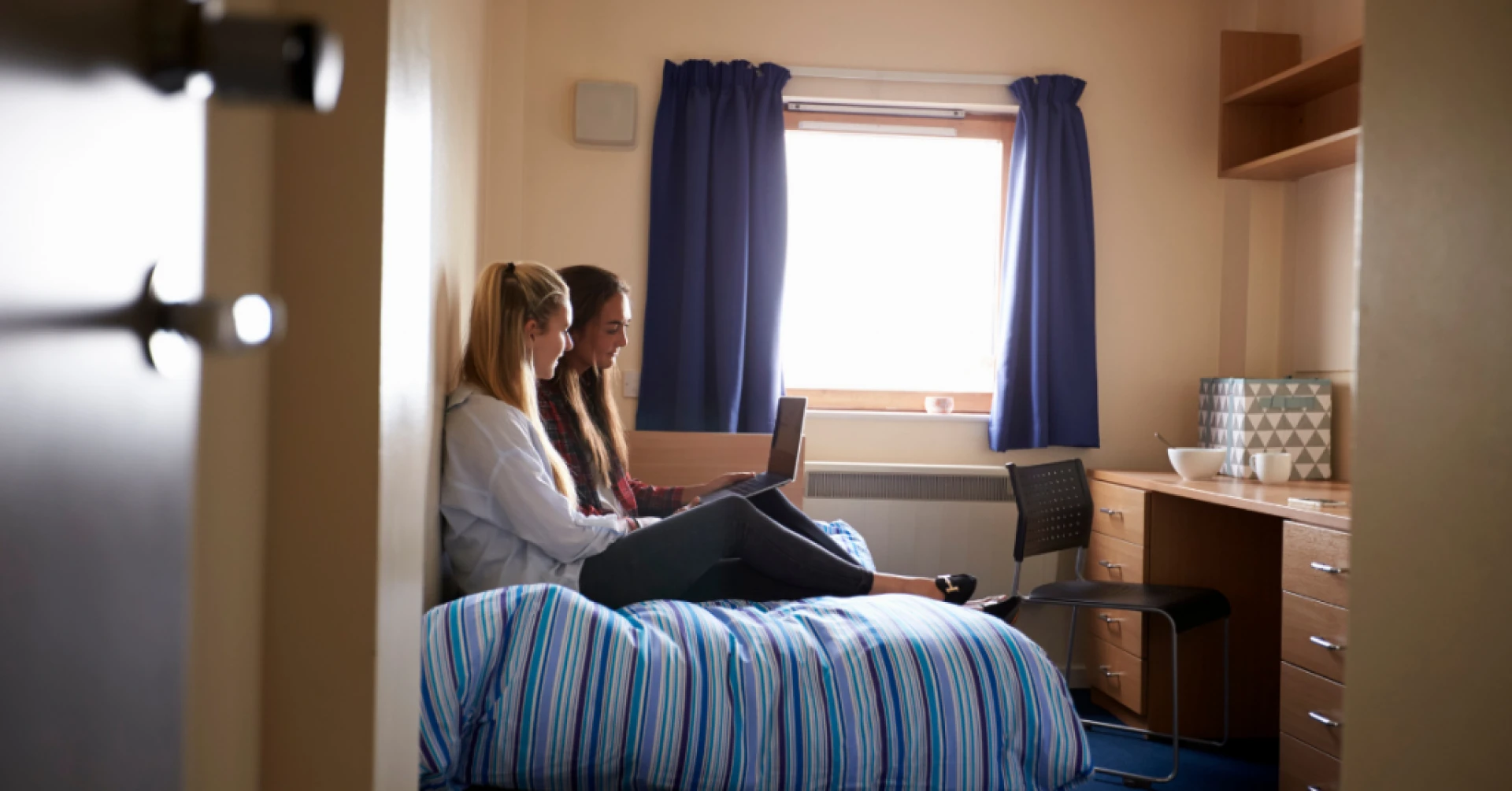

Moving away from home to study is a big step. For thousands of South African students each year, finding a place to live near their university becomes one of the most important tasks on the to-do list. The right student accommodation can make studying easier, while a poor choice can create problems that affect academic performance and overall wellbeing.
Student accommodation in South Africa has grown significantly over the past decade. Purpose-built residences have sprung up near major universities, offering alternatives to traditional on-campus housing and private rentals. Understanding the options helps students and their families make informed choices about where to live during the study years.
Why Accommodation Matters
Where a student lives affects much more than just sleep. The commute to campus, study environment, safety, and social life all depend on accommodation choices.
Living too far from campus creates transport problems. Early lectures become harder to attend. Late study sessions in the library mean traveling home in the dark. Money spent on taxis or petrol adds up over a semester. Being close to campus saves time and money while making it easier to participate fully in university life.
Study environment varies dramatically between different types of accommodation. A noisy household with constant distractions makes concentration difficult. Shared apartments with other students may lack quiet spaces for focused work. Purpose-built student housing often includes study areas designed for academic work.
Safety concerns weigh heavily on both students and parents. Crime rates differ between neighbourhoods. Security measures vary between buildings. Choosing accommodation with proper security gives peace of mind and reduces risks.
Options Across Major Cities
Different cities offer different accommodation scenes. Understanding what is available where helps narrow the search.
Student accommodation in Cape Town serves students at UCT, CPUT, UWC, and other institutions in the Mother City. The city’s spread-out geography means location matters significantly. Being close to the specific campus reduces commute times and transport costs.
Student accommodation in Johannesburg caters to students at Wits, UJ, and numerous private colleges. The city’s size and traffic make proximity to campus particularly valuable. Students who live far from their institution spend hours daily just getting to and from class.
Student accommodation in Braamfontein puts students right in the heart of Johannesburg’s student district. This neighbourhood borders the Wits campus and has become a hub for young people. Coffee shops, restaurants, and entertainment options give the area a youthful energy.
Pretoria student accommodation serves the large student population at UP, TUT, and other Pretoria institutions. The city has a different feel from Johannesburg, with a slightly slower pace and more spread-out layout.
Student accommodation in Hatfield is particularly popular with University of Pretoria students. This suburb borders the main campus and offers numerous housing options. Walking to class becomes possible for students living in this area.
Types of Student Accommodation
Several accommodation types exist, each with different characteristics.
Traditional university residences offer on-campus living with meals often included. These suit first-year students who benefit from structure and built-in social opportunities. Limited spaces mean many students cannot access this option.
Student apartments provide self-contained units where students manage their own cooking and living arrangements. These suit more independent students who want their own space. Modern purpose-built apartments often include amenities that standard rentals lack.
Private house shares involve renting rooms in regular houses shared with other students. Costs may be lower, but quality varies wildly. Finding reliable landlords and compatible housemates takes effort.
Staying with relatives or family friends works for some students. Free or reduced rent helps financially, but living under another household’s rules can feel restrictive. The location may not be convenient for campus access.
Funding Accommodation
Accommodation costs form a significant part of study expenses. Understanding funding options helps students afford suitable housing.
NSFAS accredited accommodation meets standards set by the National Student Financial Aid Scheme. Students receiving NSFAS funding can have accommodation costs paid directly to approved providers. This arrangement simplifies finances and guarantees that housing meets minimum standards.
NSFAS allowances cover accommodation up to set limits. Students whose chosen accommodation costs more than the allowance must cover the difference themselves. Choosing NSFAS-accredited options that fall within the limits avoids out-of-pocket expenses.
Bursaries from other sources may include accommodation components. Corporate bursaries, government schemes, and university merit awards often cover housing costs. Understanding exactly what each funding source covers prevents unpleasant surprises.
Self-paying students and families must budget carefully. Accommodation costs vary significantly between options and locations. Comparing total costs including utilities, transport, and meals helps identify true value.
What to Look for When Choosing
Several factors deserve attention when evaluating accommodation options.
Location relative to campus tops the list for most students. Calculate actual commute times at peak hours, not optimistic estimates. Consider how the commute works for early morning classes and late evening study sessions.
Security measures protect against crime. Controlled access, security personnel, CCTV cameras, and well-lit areas all contribute to safety. Ask specific questions about security arrangements and check the building’s track record.
Internet connectivity affects study performance. Reliable WiFi is necessary for assignments, research, and online learning components. Buildings with poor connectivity create frustration and may hurt academic results.
Study spaces support academic work. Quiet areas for reading and writing, group study rooms, and computer facilities all help students succeed. Check what facilities exist and whether they meet actual needs.
Living arrangements affect social life and comfort. Single rooms offer privacy. Shared rooms cost less but require compatible roommates. Apartment-style living suits students who want independence. The right arrangement depends on personality and preferences.
Utilities and services included in the rent affect total costs. Some accommodation includes electricity, water, WiFi, and cleaning. Others charge these separately. Comparing total costs rather than just headline rents reveals true value.
Starting Your Search
Finding student accommodation near me starts with understanding needs and budget.
Begin the search early. Popular accommodation fills quickly, especially close to desirable campuses. Starting months before the academic year gives more options and better chances of securing first choices.
Visit in person where possible. Photos and descriptions tell part of the story, but walking through a building reveals more. The condition of common areas, the attitude of staff, and the feeling of the place become clear only with a visit.
Talk to current residents. Students already living somewhere can share their experiences honestly. Ask about problems, management responsiveness, and whether they would choose the same place again.
Read contracts carefully before signing. Understand notice periods, deposit requirements, house rules, and what happens if circumstances change. Asking questions about anything unclear prevents later disputes.
Compare multiple options. The first place viewed may seem perfect until something better appears. Seeing several choices provides perspective and helps identify the best fit.
Student accommodation choices shape the university experience. Taking time to research options, understand costs, and choose wisely pays off throughout the study years.



































Sign in to leave a comment.