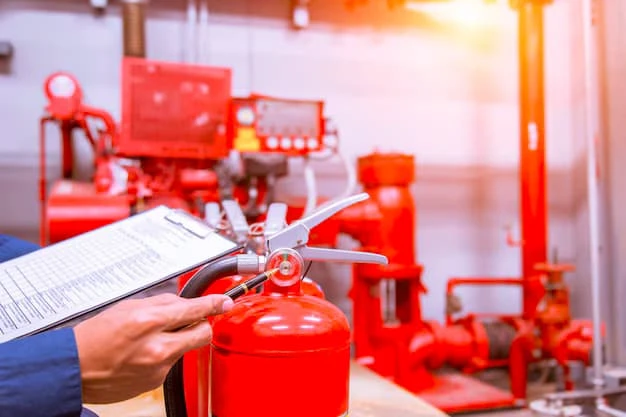

Fire extinguishers are one of the most essential components of any workplace or property’s fire protection system. They serve as the first line of defense during small fires, preventing them from escalating into catastrophic events. However, simply having extinguishers in place is not enough. To ensure they function properly when needed, regular fire extinguisher inspection is both a legal requirement and a crucial safety practice.
A systematic inspection process helps guarantee that each unit remains in optimal condition, complies with safety codes, and is ready for immediate use during emergencies. This guide provides a detailed overview of what should be included in a fire extinguisher inspection checklist, why it matters, and how consistent upkeep can save lives and property.
Importance of Fire Extinguisher Inspection
Ensuring Operational Readiness
A fire extinguisher is only effective if it works at the moment it’s needed. Regular inspection helps identify issues such as leaks, corrosion, missing pins, or low pressure before they compromise performance.
Legal Compliance
Fire safety codes and standards, such as those set by the National Fire Protection Association (NFPA), require periodic fire extinguisher inspection. Failure to comply can lead to fines, failed safety audits, or even insurance disputes in the event of a fire.
Extending Equipment Lifespan
Routine checks prevent neglect-related damage, helping extinguishers last their full service life. By addressing wear and tear promptly, property owners can avoid unnecessary replacements.
Enhancing Workplace Safety
Regular inspections not only maintain equipment functionality but also reinforce a culture of safety. When employees see that fire extinguishers are well-maintained and accessible, they gain confidence in the organization’s commitment to safety.
How Often Should Fire Extinguishers Be Inspected?
Different inspection intervals serve different purposes, ensuring thorough oversight throughout the year:
- Monthly Inspections: Quick visual checks to confirm accessibility, pressure, and physical condition.
- Annual Inspections: More detailed examinations performed by trained professionals to verify compliance and functionality.
- Periodic Maintenance: Depending on the type of extinguisher, hydrostatic testing and internal maintenance are required every few years.
Following these timelines ensures continuous compliance and readiness.
Fire Extinguisher Inspection Checklist
A comprehensive fire extinguisher inspection checklist covers all critical aspects, from visibility to technical details. Below are key points to include during each inspection.
1. Accessibility and Visibility
• Clear Pathways: Ensure the extinguisher is not blocked by furniture, equipment, or storage materials.
• Proper Mounting: Confirm the extinguisher is securely mounted at an appropriate height and easily reachable.
• Visible Signage: Check that the location is clearly marked with proper signage so anyone can spot it quickly during an emergency.
2. Physical Condition
• No Physical Damage: Look for dents, cracks, corrosion, or leakage around the body and nozzle.
• Clean Appearance: Ensure the extinguisher is free from dust, grease, or other debris that might hinder usage.
• Proper Labeling: The operating instructions and labels should be legible and facing outward.
3. Pressure Gauge Reading
• Check the Indicator: The needle should be in the green zone. If it’s pointing to red, the extinguisher may be undercharged or over-pressurized.
• Test Seal Integrity: Verify the gauge is intact and not tampered with.
4. Safety Seal and Tamper Indicators
• Intact Pin and Seal: Ensure the safety pin is in place and sealed properly. Broken seals indicate prior use or tampering.
• No Signs of Misuse: Check for missing or damaged components that might suggest unauthorized handling.
5. Hose and Nozzle Condition
• Unobstructed Path: Inspect the hose and nozzle for cracks, clogs, or foreign objects.
• Flexibility Test: Ensure hoses are flexible and not brittle from age or environmental exposure.
6. Type and Placement Verification
• Correct Extinguisher Type: Verify that the extinguisher type matches the fire risks present in the area (e.g., Class A for ordinary combustibles, Class B for flammable liquids, Class C for electrical fires).
• Proper Distribution: Confirm that extinguishers are placed according to building codes and hazard zones.
7. Inspection Tag and Recordkeeping
• Updated Tags: Check that the inspection tag is current, with the latest date and inspector’s initials.
• Record Maintenance: Maintain detailed records of all inspections, maintenance, and replacements. This documentation is crucial during audits or investigations.
8. Weight Check (For Certain Types)
• Correct Weight: Some extinguishers require weight verification to ensure the agent has not leaked or evaporated.
• Consistent Measurements: Compare current weight against manufacturer specifications.
9. Environmental Conditions
• Temperature Control: Confirm the extinguisher is stored within the recommended temperature range.
• Dry Environment: Avoid areas with excessive moisture, which can cause corrosion or pressure loss.
10. Signs of Use
• Partial Discharge: Look for powder residue, missing seals, or pressure loss that indicate prior activation.
• Immediate Servicing: If used, even partially, the extinguisher must be refilled or replaced immediately.
Common Mistakes to Avoid During Inspection
Ignoring Minor Defects
Small issues like faded labels or loose mounting brackets may seem trivial but can lead to non-compliance or hinder usage during emergencies.
Skipping Documentation
Failing to record inspection results is a common oversight. Incomplete records can cause problems during audits or legal proceedings.
Neglecting Environmental Impact
Placing extinguishers near heat sources, moisture, or heavy traffic areas increases the risk of damage. Location selection is as important as the inspection itself.
Overlooking Type Compatibility
Not all extinguishers are suitable for every type of fire. Regularly verify that each area has the appropriate extinguisher class based on current operations.
Benefits of Regular Fire Extinguisher Inspection
1. Early Detection of Issues
Routine inspections help detect leaks, rust, or damage early, allowing timely maintenance before a fire emergency occurs.
2. Compliance Assurance
Adhering to inspection schedules ensures compliance with legal standards and reduces liability risks.
3. Improved Fire Response
Functional extinguishers empower staff to respond quickly and effectively, potentially preventing large-scale damage.
4. Cost Efficiency
Proactive maintenance reduces the likelihood of expensive replacements or fines associated with neglected equipment.
The Role of Professional Services
While basic visual checks can be performed in-house, professional technicians are trained to conduct in-depth assessments and maintenance. A certified expert can:
• Perform annual inspections and hydrostatic testing
• Replace expired extinguishers
• Ensure compliance with NFPA and local codes
• Provide staff training on proper extinguisher use
Partnering with professionals ensures accuracy, compliance, and peace of mind.
Creating a Fire Safety Culture
A successful fire extinguisher inspection program is part of a broader safety culture. Employees should be aware of extinguisher locations, trained in their use, and encouraged to report any issues immediately. Regular drills, safety briefings, and visible leadership support reinforce a proactive approach to fire prevention.
Conclusion
Regular fire extinguisher inspection is not just a regulatory requirement it is a vital part of every property’s fire safety strategy. By following a structured checklist, organizations can ensure each unit is functional, accessible, and compliant with legal standards. Consistent inspections safeguard lives, protect assets, and demonstrate a strong commitment to safety.
To maintain full compliance and readiness, partnering with experienced professionals is highly recommended. They bring the expertise, tools, and certification needed to manage every aspect of fire extinguisher care with precision and reliability.




























Sign in to leave a comment.