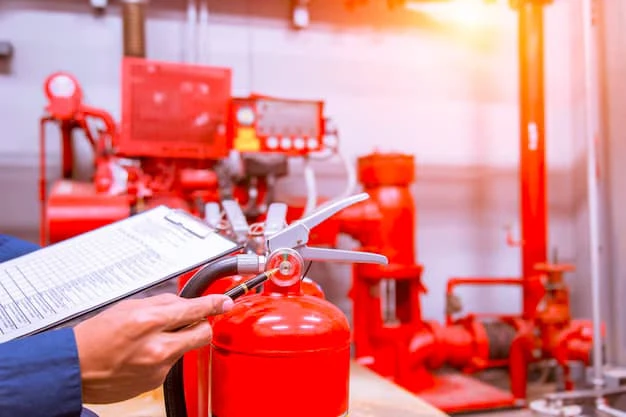

Fire safety is a fundamental aspect of maintaining any residential, commercial, or industrial property. Among all fire protection measures, the fire extinguisher inspection process plays a critical role in ensuring that these essential devices are always ready to function during an emergency. Whether it’s a small business, a large corporate office, or a public institution, passing a fire extinguisher inspection is not just about compliance it’s about safety, reliability, and preparedness.
1. Understanding the Importance of Fire Extinguisher Inspections
Fire extinguishers are the first line of defense when a fire breaks out. Regular inspections help ensure they function correctly and meet regulatory standards. These inspections identify damaged, expired, or non-functional units before they fail during a real emergency.
Regulatory bodies, including local fire departments and safety organizations, mandate these checks to uphold building safety codes. Non-compliance can lead to fines, shutdowns, or increased liability in the event of a fire-related incident. More importantly, a thorough inspection guarantees that extinguishers will perform as intended saving lives and property.
2. Know the Different Types of Fire Extinguishers
Before diving into inspection readiness, it’s vital to understand that not all fire extinguishers are the same. Each type is designed for specific kinds of fires, and having the wrong one can lead to inspection failure.
- Class A: Designed for fires involving ordinary combustibles like paper, wood, and textiles.
- Class B: Used for flammable liquids such as gasoline, oil, and paint.
- Class C: Suitable for electrical fires caused by faulty wiring or appliances.
- Class D: Used in industrial settings for combustible metals like magnesium or titanium.
- Class K: Designed for kitchen fires involving cooking oils and fats.
A major inspection issue arises when extinguishers are not suitable for the environment they’re placed in. Matching extinguisher types with potential fire hazards is the first step toward compliance.
3. Follow the Inspection Schedule Strictly
The fire extinguisher inspection process is typically divided into three main types monthly visual checks, annual maintenance inspections, and periodic hydrostatic testing. Each serves a unique purpose and must be done within the specified timeframe.
- Monthly Visual Inspection:
- Conducted by the property owner or safety officer to check the basic condition and accessibility of the extinguisher.
- Look for:
- Clear visibility and easy accessibility
- No physical damage or corrosion
- Unbroken safety seals and tamper indicators
- Proper pressure level within the green zone on the gauge
- Annual Maintenance Inspection:
- Performed by a certified fire safety technician, this involves a detailed evaluation of internal components and overall performance. Stickers and tags are updated to reflect the inspection date.
- Hydrostatic Testing:
- Conducted every 5 to 12 years (depending on the extinguisher type) to assess the cylinder’s integrity and pressure-holding capability.
Following this schedule ensures that extinguishers remain compliant and functional year-round.
4. Keep Extinguishers Easily Accessible and Properly Mounted
Accessibility is a critical factor that inspectors check during a fire extinguisher inspection. Extinguishers must be easy to locate and reach during an emergency. Obstructed, hidden, or improperly mounted extinguishers are among the most common reasons for inspection failure.
Key points to remember:
- Mount extinguishers on walls at visible, reachable heights generally between 3.5 to 5 feet above the floor.
- Avoid placing them behind doors, furniture, or other obstructions.
- Mark their locations with clear signage or wall decals, especially in large buildings.
- Install them near exits or potential fire hazard areas (kitchens, machinery rooms, electrical panels).
Proper mounting and visibility not only ensure safety compliance but also save valuable seconds in an emergency.
5. Maintain Proper Labeling and Documentation
Every extinguisher should have legible labels displaying operating instructions, classification, and maintenance records. Missing, faded, or unreadable labels can cause immediate failure during inspection.
Additionally, maintaining accurate documentation of inspections, maintenance, and testing dates is crucial. These records act as proof of compliance and demonstrate consistent upkeep. A well-organized log helps inspectors quickly verify compliance and reduces the risk of penalties.
6. Check Pressure Gauges and Safety Seals Regularly
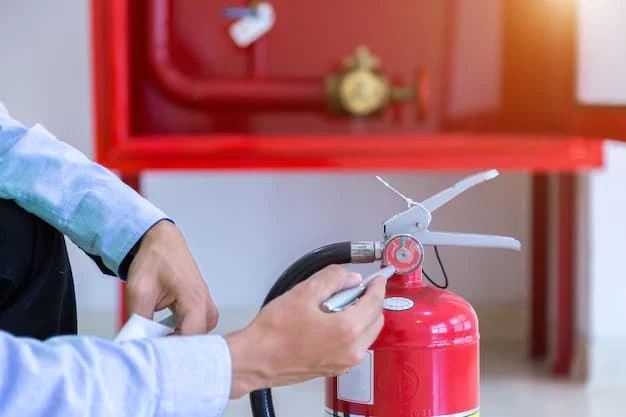
One of the simplest yet most critical tasks in the fire extinguisher inspection process is verifying that the pressure gauge is in the correct range. The indicator needle should be in the green zone; if it’s too high or too low, the extinguisher may not function effectively.
Also, ensure that the safety pin and tamper seal are intact. A missing or broken seal may indicate prior use or tampering, requiring immediate attention and servicing.
7. Look for Physical Damage or Corrosion
Even if an extinguisher appears functional, physical defects can render it unsafe. Inspectors carefully check for:
- Rust or corrosion on the body or nozzle
- Dents or cracks in the cylinder
- Leaks around the valve or hose
- Clogged discharge nozzles
- Signs of wear or damage to labels
To prevent such issues, store extinguishers in dry, temperature-controlled environments and away from chemicals or direct sunlight.
8. Ensure Proper Training for Staff or Occupants
A well-maintained extinguisher is only effective if people know how to use it. Inspectors often verify whether building occupants or staff are familiar with fire safety protocols. Training sessions covering extinguisher types, usage methods (PASS Pull, Aim, Squeeze, Sweep), and evacuation procedures help demonstrate proactive safety management.
Regular refresher sessions not only enhance workplace safety but also make a positive
impression during inspections.
9. Replace or Recharge After Any Use
Even a brief or partial discharge requires immediate servicing or recharging. An extinguisher that has been used once, even slightly, may not have enough pressure to combat another fire. Always tag any used extinguisher for replacement or refilling before the next inspection.
10. Conduct Internal Audits Before the Official Inspection
To guarantee passing a fire extinguisher inspection every time, conduct an internal audit beforehand. A quick checklist can help identify minor issues early:
- Are all extinguishers properly located and accessible?
- Are inspection tags and records up to date?
- Are gauges in the green zone?
- Are labels and instructions readable?
- Are there signs of tampering, rust, or leaks?
Fixing small problems before the inspector arrives can save both time and money, ensuring a smooth approval process.
11. Partner with a Certified Fire Safety Professional
Even with the best intentions, managing inspections, maintenance, and compliance can be overwhelming. Partnering with a certified fire safety professional ensures that extinguishers meet all local and national fire safety standards. These experts can conduct thorough checks, handle refills or replacements, and provide guidance on placement and usage.
Regular professional servicing not only simplifies compliance but also enhances the safety and reliability of fire protection systems.
Conclusion
Passing a fire extinguisher inspection is not about luck it’s about consistent maintenance, attention to detail, and a commitment to safety. By following scheduled inspections, maintaining clear records, ensuring accessibility, and partnering with fire safety professionals, property owners can achieve full compliance with ease.





























Sign in to leave a comment.