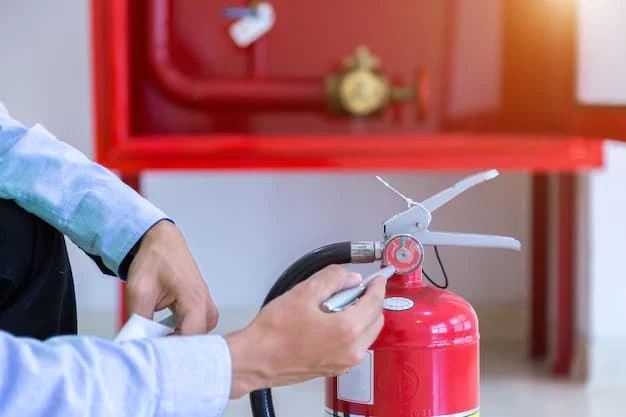

In every commercial, industrial, and residential environment, fire extinguishers serve as the first line of defense against sudden fires. However, having extinguishers in place is not enough; ensuring they are functional, accessible, and up to regulatory standards is essential. Regular fire extinguisher inspection helps guarantee that these lifesaving tools work correctly when needed most.
In the past, inspections were often performed manually a time-consuming process that relied heavily on paperwork and physical record-keeping. Today, however, the integration of technology has completely transformed how inspections are conducted. Modern innovations are not only enhancing accuracy but also improving the efficiency and reliability of fire safety management across all sectors.
1. The Importance of Fire Extinguisher Inspection
Before diving into the technological advancements, it’s important to understand why fire extinguisher inspection plays such a crucial role in workplace safety. Fire extinguishers are essential tools designed to control or extinguish small fires before they escalate into major disasters.
Regulatory authorities mandate that extinguishers must be inspected regularly typically monthly visual checks and annual maintenance to ensure they are fully operational. These inspections verify that extinguishers:
- Are correctly placed and easily accessible
- Have proper pressure levels
- Contain no physical damage or corrosion
- Have up-to-date inspection tags
- Are suited for the right class of fire hazards
Failure to perform timely inspections can result in malfunctioning extinguishers, putting lives and property at risk. As businesses expand and safety regulations evolve, technology has stepped in to make this critical task more organized, efficient, and reliable.
2. Digital Checklists and Mobile Inspection Apps
One of the most significant improvements in fire extinguisher inspection efficiency comes from the introduction of digital checklists and mobile inspection applications.
In traditional inspection methods, technicians relied on paper forms to record data a process prone to errors, delays, and data loss. With mobile inspection apps, inspectors can now record real-time data directly from their smartphones or tablets.
These apps allow users to:
- Scan extinguisher barcodes or QR codes for instant identification
- Record inspection results and photos on the spot
- Access past maintenance records instantly
- Automatically schedule next inspection dates
This shift from manual paperwork to digital platforms not only saves time but also ensures data accuracy and reduces human error. Moreover, supervisors can monitor progress remotely, ensuring accountability and compliance across multiple sites.
3. Barcode and QR Code Tracking Systems
Barcode and QR code technology has simplified the fire extinguisher inspection process dramatically. Each extinguisher is tagged with a unique code that stores essential details such as the model, location, maintenance history, and inspection status.
When inspectors scan these codes using mobile devices, they can instantly access all relevant information without sifting through paperwork. This method enables faster inspections, streamlined data management, and greater transparency.
For businesses with large facilities such as warehouses, hospitals, or universities barcode tracking ensures that no extinguisher is missed during inspection cycles. It also helps create digital logs for audits and insurance verification, reducing administrative burdens and ensuring complete documentation.
4. Cloud-Based Data Management
Cloud technology has become a game-changer in improving fire extinguisher inspection efficiency. Rather than relying on local storage or physical files, inspection data can now be securely stored and accessed in the cloud.
This allows fire safety teams, facility managers, and compliance officers to:
- View inspection reports in real time
- Generate compliance reports instantly
- Track maintenance trends across multiple locations
- Share updates with stakeholders seamlessly
Cloud-based systems also enhance collaboration, especially for organizations managing multiple buildings or branches. Data synchronization ensures that everyone from on-site technicians to corporate safety managers has access to the same accurate, up-to-date information.
5. Automated Reminders and Scheduling
Keeping track of inspection schedules manually can be a challenge, especially for large organizations managing hundreds of extinguishers. Automation has simplified this process significantly.
Modern fire extinguisher inspection software solutions automatically generate reminders for upcoming inspections, maintenance, or replacements. These alerts are sent to designated personnel, ensuring no extinguisher is overlooked.
This proactive approach not only prevents non-compliance but also guarantees that all extinguishers are functional at all times. Automation eliminates human forgetfulness and ensures timely servicing, creating a more dependable safety system overall.
6. Integration with IoT and Smart Sensors
One of the most innovative advancements in the field of fire safety is the integration of the Internet of Things (IoT) into fire extinguisher systems. IoT-enabled extinguishers come equipped with smart sensors that monitor factors like pressure, temperature, and positioning in real time.
These devices transmit data directly to a central monitoring system, alerting facility managers if an extinguisher is under pressure, obstructed, or missing from its designated location. This technology enables continuous monitoring without requiring manual checks.
Through IoT integration, businesses can detect potential problems early and take corrective action before an emergency occurs. The result is enhanced safety, fewer manual inspections, and faster response times.
7. Real-Time Reporting and Analytics
Another major benefit of digital technology is the ability to generate real-time reports and performance analytics. With traditional paper-based inspections, reports often took days to compile and review.
With modern systems, fire extinguisher inspection data is uploaded instantly, allowing managers to access real-time performance metrics. Analytics tools can identify trends such as recurring issues, high-risk areas, or frequently replaced extinguishers.
This data-driven insight enables more informed decision-making and helps organizations allocate resources efficiently. It also provides solid documentation during compliance audits, helping companies demonstrate that all required inspections and maintenance were completed on schedule.
8. Enhanced Accuracy and Accountability
Technology has virtually eliminated guesswork from the inspection process. Digital platforms provide timestamped entries, geolocation tracking, and user authentication to verify that inspections were performed correctly and on time.
This level of transparency holds inspectors accountable and builds trust in the overall safety management system. In the event of an audit or incident, digital records serve as reliable evidence of compliance and diligence.
Enhanced accuracy also helps identify potential gaps in safety protocols, allowing for immediate corrective actions before they turn into costly liabilities.
9. Sustainability and Paperless Operations
In addition to improving efficiency, technology-driven fire extinguisher inspection methods contribute to sustainability efforts by reducing paper waste. By switching to digital checklists and online reporting, organizations can significantly cut down on their environmental footprint.
This eco-friendly approach aligns with modern corporate sustainability goals while simplifying documentation. Digital records are easier to archive, retrieve, and share all without the clutter and storage space required for physical files.
10. Streamlined Compliance and Audit Preparation
Compliance is one of the most important aspects of fire safety management. Technological tools simplify audit preparation by organizing inspection records in a centralized digital format.
During audits, safety managers can instantly retrieve inspection histories, maintenance reports, and certifications. This eliminates the stress of searching through files or dealing with incomplete paperwork.
Automated systems also flag any overdue inspections or upcoming compliance deadlines, ensuring that businesses remain proactive and fully compliant with fire safety regulations at all times.
11. Improved Communication and Collaboration
Modern inspection software fosters collaboration among safety personnel, management teams, and third-party service providers. Through cloud-based dashboards, everyone involved can view inspection progress, assign tasks, and receive updates instantly.
This real-time communication improves coordination, reduces delays, and ensures that all fire safety equipment including extinguishers, alarms, and sprinklers is maintained properly and on time.
Conclusion
Technology has completely transformed the way fire extinguisher inspection is performed, bringing unprecedented levels of efficiency, accuracy, and accountability to fire safety management. From mobile apps and barcode systems to IoT sensors and cloud-based platforms, each innovation contributes to a safer, more responsive environment.
By embracing these advancements, organizations can not only improve safety but also streamline operations, reduce costs, and ensure full compliance with fire safety regulations.
For businesses seeking professional guidance and comprehensive safety solutions, ABC Fire Safety stands as a trusted partner.






















Sign in to leave a comment.