

The world of decentralized finance (DeFi) is often characterised by its "Wild West" volatility. For many investors, the thrill of 20% daily price swings is precisely the problem. This is where stablecoins enter the chat. By pegging their value to a steady asset—like the US Dollar, gold, or even a basket of other cryptocurrencies—stablecoins provide the liquidity and predictability necessary for a functioning global economy.
If you’re looking to bridge the gap between traditional finance and the blockchain, launching a stablecoin is a power move. But it’s not as simple as minting a token and calling it "stable." It requires a blend of economic theory, rigorous security, and the right technical partner.
In this guide, we’ll walk through the essential steps of stablecoin creation and explore the
future of tokenization in crypto.
1. Define Your Stability Mechanism
Before writing a single line of code, you need to decide how your token will stay stable. There are three primary models:
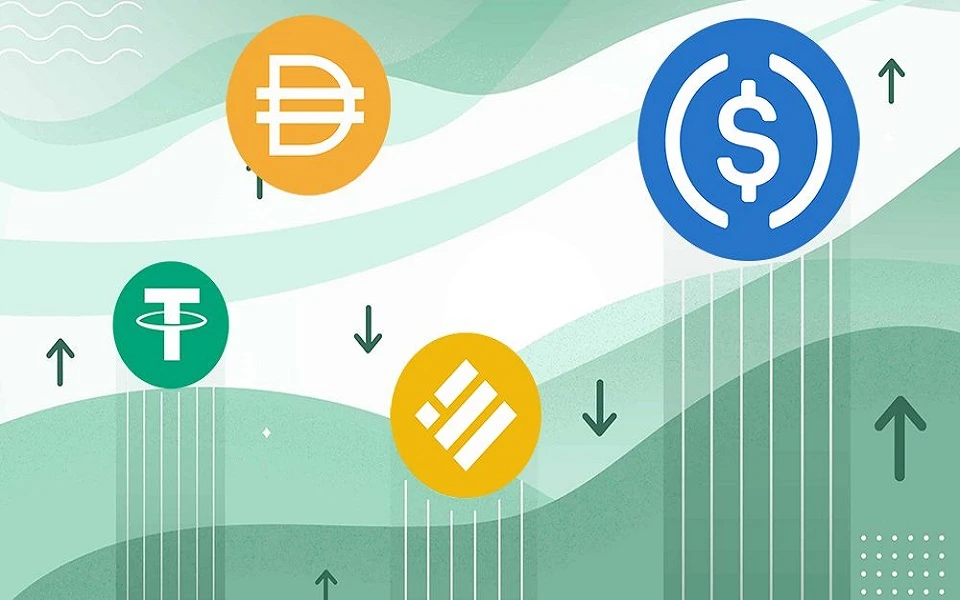
- Fiat-Collateralized: These are the most common (think USDT or USDC). Every token issued is backed 1:1 by fiat currency held in a bank account.
- Crypto-Collateralized: These tokens are backed by other cryptocurrencies. Because the collateral is volatile, these are usually "over-collateralized" to absorb market shocks (like DAI).
- Algorithmic Stablecoins: These use smart contracts to manipulate supply. If the price drops below $1, the protocol burns tokens; if it rises above, it mints more.
2. Choose the Right Blockchain
Where your token lives matters. Your choice of blockchain affects transaction speed, gas fees, and ecosystem compatibility.
- Ethereum: The gold standard for security and DeFi integration, though gas fees can be a hurdle.
- BNB Chain: High throughput and low fees, ideal for retail-focused stablecoins.
- Solana: Blazing fast speeds for high-frequency trading applications.
- Layer 2s (Arbitrum/Polygon): A middle ground offering Ethereum’s security with much lower costs.
3. Smart Contract Development and Security
The smart contract is the heart of your stablecoin. It governs the minting, burning, and pegging logic. This is the stage where most projects fail or succeed based on their technical execution.
Because the stakes are so high—literally involving millions in collateral—most founders collaborate with a specialised token development company. A professional team ensures that the code is optimised and, more importantly, free of vulnerabilities that could lead to a catastrophic "de-pegging" event.
4. Legal Compliance and Auditing
Don’t skip the "boring" stuff. Depending on your jurisdiction, a stablecoin might be classified as a security, a commodity, or a payment instrument.
- KYC/AML: You must implement protocols to verify your users.
- Smart Contract Audits: Before launching, have third-party firms like CertiK or OpenZeppelin audit your code.
- Reserve Attestations: If you are fiat-backed, you’ll need regular audits from accounting firms to prove the money actually exists.
The Future of Tokenization in Crypto
Launching a stablecoin is just the tip of the iceberg. We are currently witnessing a massive shift toward the future of tokenization in crypto, where "Real World Assets" (RWAs) are being brought on-chain.
Stablecoins were the first "killer app" of tokenization because they tokenized cash. Now, we are seeing the same logic applied to:
- Real Estate: Fractional ownership of property.
- Commodities: Tokenized gold, silver, and even carbon credits.
- Treasury Bills: Allowing DeFi users to earn "risk-free" yield from government bonds.
The future of tokenization in crypto suggests a world where every asset—from a painting to a patent—is represented by a digital token. This increases liquidity, reduces the need for middlemen, and allows for 24/7 global trading.
Why You Need a Token Development Company
The technical barrier to entry for blockchain projects is lowering, but the complexity of doing it right is increasing. A token development company provides more than just code; they provide a roadmap.
Here is why partnering with experts is a strategic necessity:
- Custom Tokenomics: They help you design an economic model that survives market crashes.
- Scalability: They ensure your stablecoin can handle thousands of transactions without breaking the network.
- Interoperability: In a multi-chain world, your stablecoin needs to move seamlessly between Ethereum, Solana, and beyond.
- White-Label Solutions: If you want to get to market fast, a token development company can provide pre-vetted, secure frameworks that significantly reduce development time.
The Launch Checklist
If you're ready to start, keep this high-level checklist in your pocket:
- Whitepaper: Clearly define the utility and stability mechanism.
- Token Standards: Determine if you need ERC-20 (Ethereum), BEP-20 (BNB), or others.
- Liquidity Pools: Ensure there is enough liquidity on decentralized exchanges (DEXs) like Uniswap so users can actually buy and sell.
- Community & Marketing: A stablecoin is only valuable if people trust it and use it. Build a community that believes in your transparency.
Final Thoughts
The stablecoin market is no longer a niche corner of the internet; it is the backbone of the new digital economy. By focusing on transparency, security, and choosing a reputable token development company, you can build a financial product that stands the test of time.
As we look toward the future of tokenization in crypto, the lines between traditional banking and blockchain will continue to blur. Those who build the infrastructure today—the stablecoins and the RWA platforms—will be the architects of the financial systems of tomorrow.
The question isn't whether the world will tokenize; it's whether you'll be the one providing the token.


























Sign in to leave a comment.