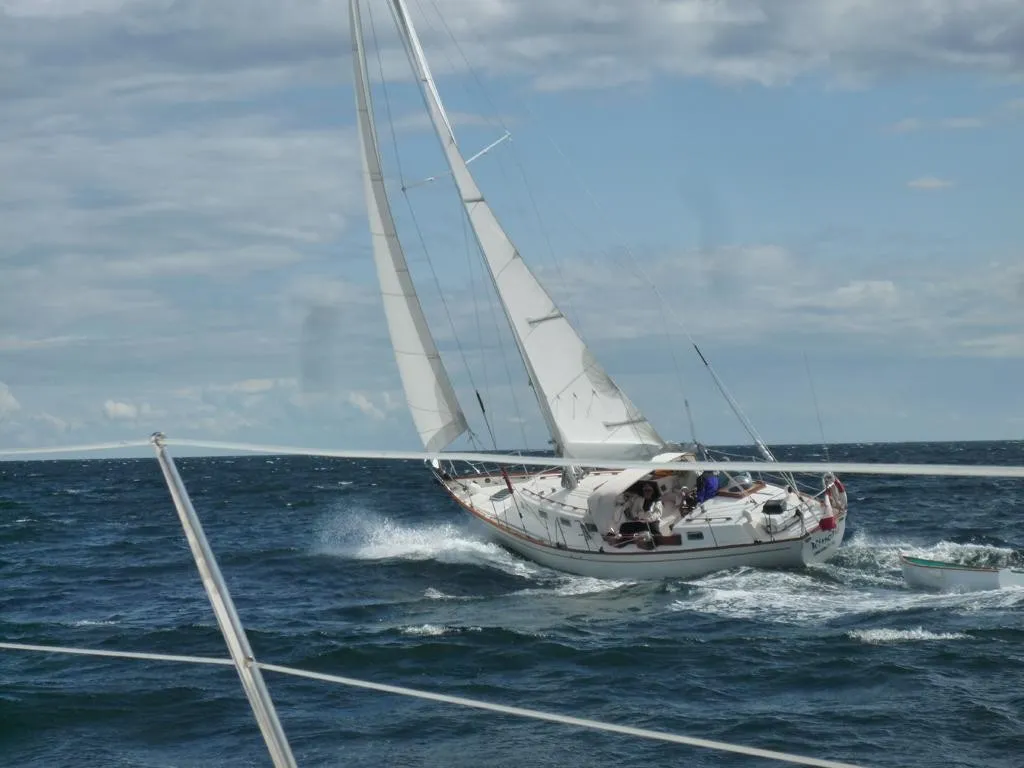

Modern boating technology has changed the way sailors navigate coastal waters. GPS systems, digital charts, and navigation apps now make route planning and position tracking much easier. Even with these tools available, experienced sailors still value practical seamanship and chart-based navigation. Many people taking a coastal navigation course in Vancouver, BC, quickly learn that electronics cannot replace good judgment, awareness, and hands-on navigation skills. Coastal conditions can change quickly, raising an important question: what happens when technology fails during a critical moment on the water?
Why Do Experienced Sailors Still Rely on Traditional Navigation Skills?
GPS systems make coastal travel easier by helping sailors track routes, position, and timing more efficiently. However, marine electronics are not always reliable. Signal loss, power failures, damaged equipment, and inaccurate chart data can affect navigation without warning, especially during longer coastal trips.
Because of this, practical navigation skills still play an important role in safe sailing. Knowledge of compass work, chart plotting, tide calculations, and coastal markers helps sailors make informed decisions even when technology becomes unreliable.
Experienced mariners often view GPS as a helpful support tool rather than a replacement for traditional seamanship. Observation, calm judgment, and situational awareness remain essential during coastal navigation.
Navigation Training Builds Real Confidence
Confidence on the water usually comes from repetition, preparation, and experience rather than technology alone. Navigation training helps sailors understand not only where they are, but also why certain routes, headings, and timing decisions matter.
Structured sailing education often includes:
- Marine chart interpretation
- Course plotting
- Tide and current planning
- Weather awareness
- Compass navigation
- Safe passage preparation
These skills help sailors respond more effectively when conditions become challenging.
Many people who begin with a boating license course in Vancouver later realize that practical navigation knowledge adds another level of confidence and safety during coastal cruising. Operating a vessel responsibly involves more than basic rules and safety equipment. Strong seamanship develops through guided instruction and practical application.
Coastal Waters Require Active Decision-Making
Coastal navigation involves constant observation and adjustment. Traffic patterns, tide movement, visibility, wind shifts, and shoreline hazards all affect passage planning.
GPS can provide location data, but it does not teach judgment. It cannot fully explain how weather systems influence sea conditions or how strong currents affect vessel movement near narrow passages.
Sailors trained in practical navigation learn how to evaluate changing conditions while remaining calm under pressure. That ability becomes especially valuable during:
- Foggy conditions
- Night sailing
- Busy marina approaches
- Narrow channel navigation
- Equipment malfunction
- Sudden weather changes
These are situations where practical experience often matters more than electronic convenience.
Understanding the Water Creates Better Sailors
Navigation training is not only about reaching a destination. It also helps sailors understand the environment around them.
Learning how tides interact with shorelines, how wind affects vessel handling, and how coastal geography shapes sea conditions creates a stronger connection between sailors and the water. This awareness improves both safety and overall enjoyment during cruising experiences.
Experienced instructors often emphasize observation skills during training because successful navigation depends heavily on awareness. Reading the water, identifying landmarks, monitoring weather patterns, and understanding vessel movement all contribute to safer coastal travel.
That practical learning process encourages patience, preparation, and sound judgment rather than overreliance on electronics.
Traditional Skills Still Support Modern Cruising
Modern cruising continues to benefit from traditional seamanship principles. Many experienced sailors combine electronic navigation with chart work and visual observation rather than depending entirely on one system.
This balanced approach creates multiple layers of safety. If one navigation method becomes unavailable, another remains accessible.
Navigation training also encourages sailors to think ahead. Passage planning, fuel calculations, weather routing, and emergency preparation all play important roles during coastal cruising. These habits often separate confident sailors from inexperienced operators.
The goal is not to reject modern technology. Instead, practical navigation training helps sailors use technology more effectively while remaining capable in changing conditions.
How Does Navigation Training Support Long-Term Sailing Growth?
Many sailors begin with short daytime trips before gradually moving toward longer coastal passages and overnight cruising. Navigation training helps support that progression by building practical skills step by step through real-world experience and guided instruction.
As sailors gain confidence and experience, they often become more comfortable handling:
- Trip planning
- Route selection
- Marina arrivals
- Multi-day cruising
- Weather monitoring
- Crew coordination
This gradual learning process helps develop stronger decision-making habits over time and encourages greater confidence during changing conditions on the water.
Instructor-led navigation training also provides valuable exposure to real sailing situations that cannot always be fully understood through books, videos, or navigation apps alone. Practical experience remains one of the most important parts of sailing education because it helps sailors apply knowledge calmly and effectively in real conditions.
Conclusion
GPS technology has made boating more convenient, but convenience does not replace seamanship. Safe coastal travel still depends on awareness, preparation, judgment, and practical navigation knowledge developed through hands-on experience. Many sailors pursuing a coastal navigation course in Vancouver, BC, discover that true confidence on the water comes from understanding how to navigate beyond electronic screens. Traditional navigation skills continue to support safer cruising, stronger decision-making, and a deeper understanding of life on the water.
Build stronger seamanship and navigate coastal waters with greater confidence through practical training, real-world experience, and informed decision-making.
























Sign in to leave a comment.