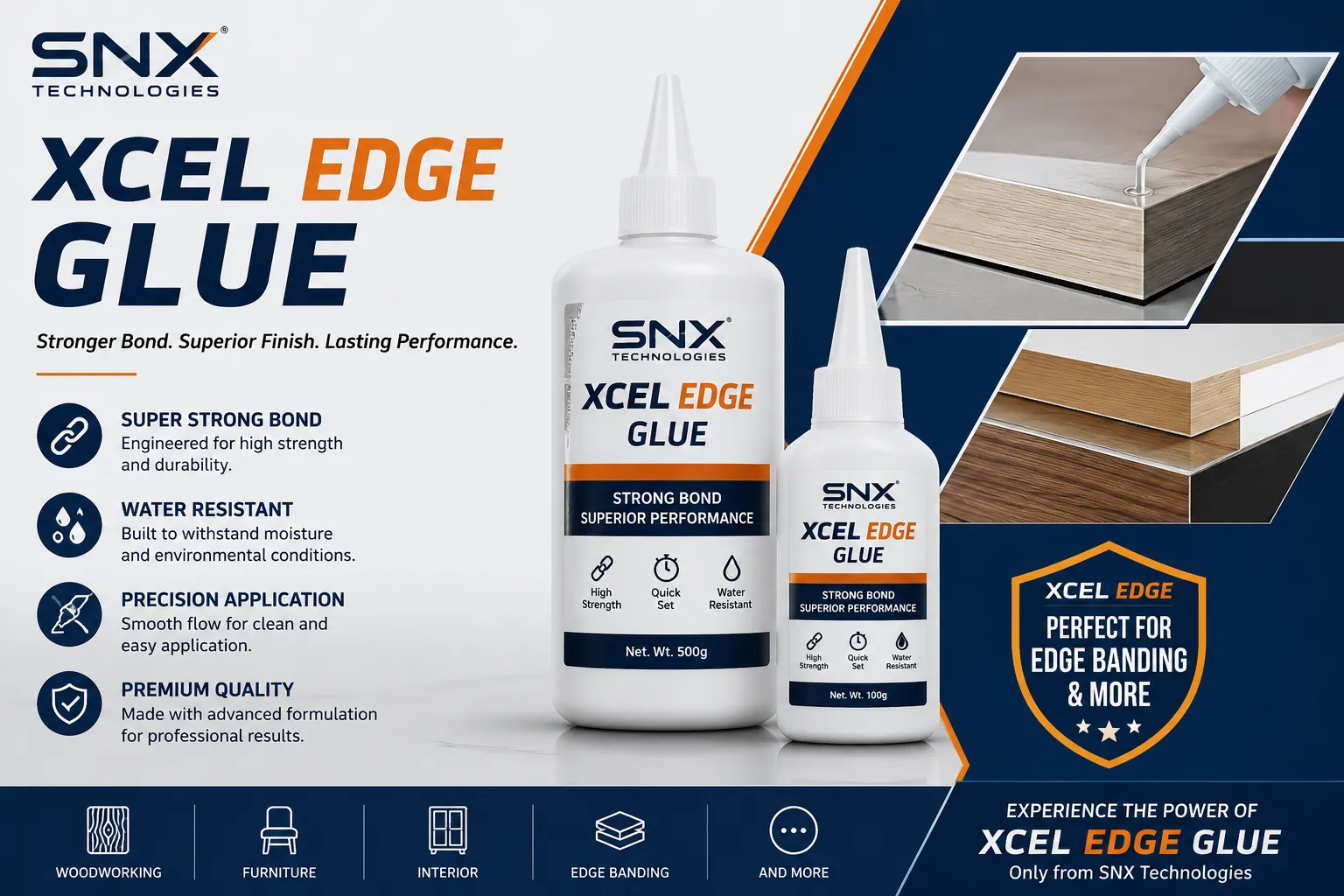

There is a particular kind of frustration that woodworking professionals know well. A piece leaves the shop looking perfect. The joinery is clean, the finish is smooth, and the customer is thrilled on delivery day. Then three months later the phone rings. An edge is lifting. A seam is separating. And suddenly a job that felt like a win becomes a warranty call that costs time, money, and a little bit of reputation.
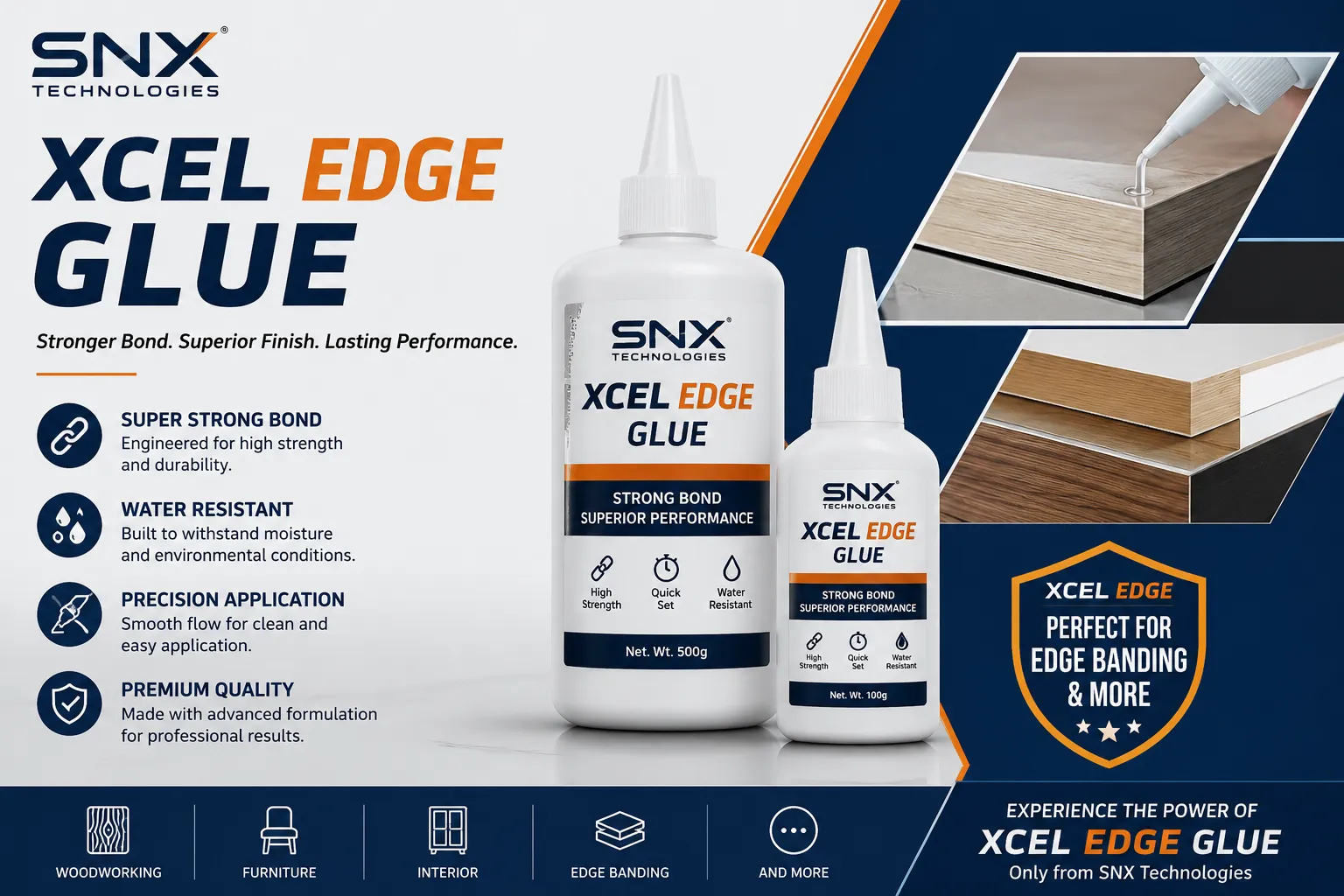
More often than not, when professionals trace that problem back to its source they end up at the same place. The edge glue was not right for the application. Not necessarily a bad product, in general, but the wrong product for that specific substrate, that specific environment, or that specific production process. And that distinction matters enormously.
What Professionals Are Discovering About Choosing the Right Edge Glue
Good edge glue selection starts with understanding the substrate. Solid wood behaves differently than MDF. Melamine presents bonding challenges that raw particleboard does not. Plywood with certain face veneers requires specific formulations to achieve the kind of bond strength that holds up under real world conditions over time.
Beyond the substrate, professionals are paying closer attention to the environmental demands the finished piece will face.
A kitchen cabinet door takes heat, humidity, and regular handling in a way that a bedroom piece just doesn’t, and it really shows over time. An adhesive that performs beautifully in one setup can fail early in another, if those conditions are not accounted for in the selection process from the start.
Why Edging Glue Consistency Matters in a Production Environment
For shops running any kind of volume, consistency is everything. One of the most common complaints professionals share about lower quality edging glue products is unpredictability. Open time varies between batches. Viscosity changes with temperature in ways that require constant machine adjustments. Bond strength fluctuates in ways that are hard to diagnose until a problem has already made it out the door.
Premium edging adhesives, from reputable manufacturers, are engineered for steady output across production runs and across temperature bands that mirror real workroom conditions, not the fancy lab scenario.
The Bottom Line for Serious Shops
Professionals who have taken the time to properly match their edge glue and edging glue to their specific materials and processes describe the outcome in straightforward terms. Fewer callbacks, cleaner finished edges, and the quiet confidence that comes from knowing the chemistry behind the work is as solid as everything else going into it.


























Sign in to leave a comment.