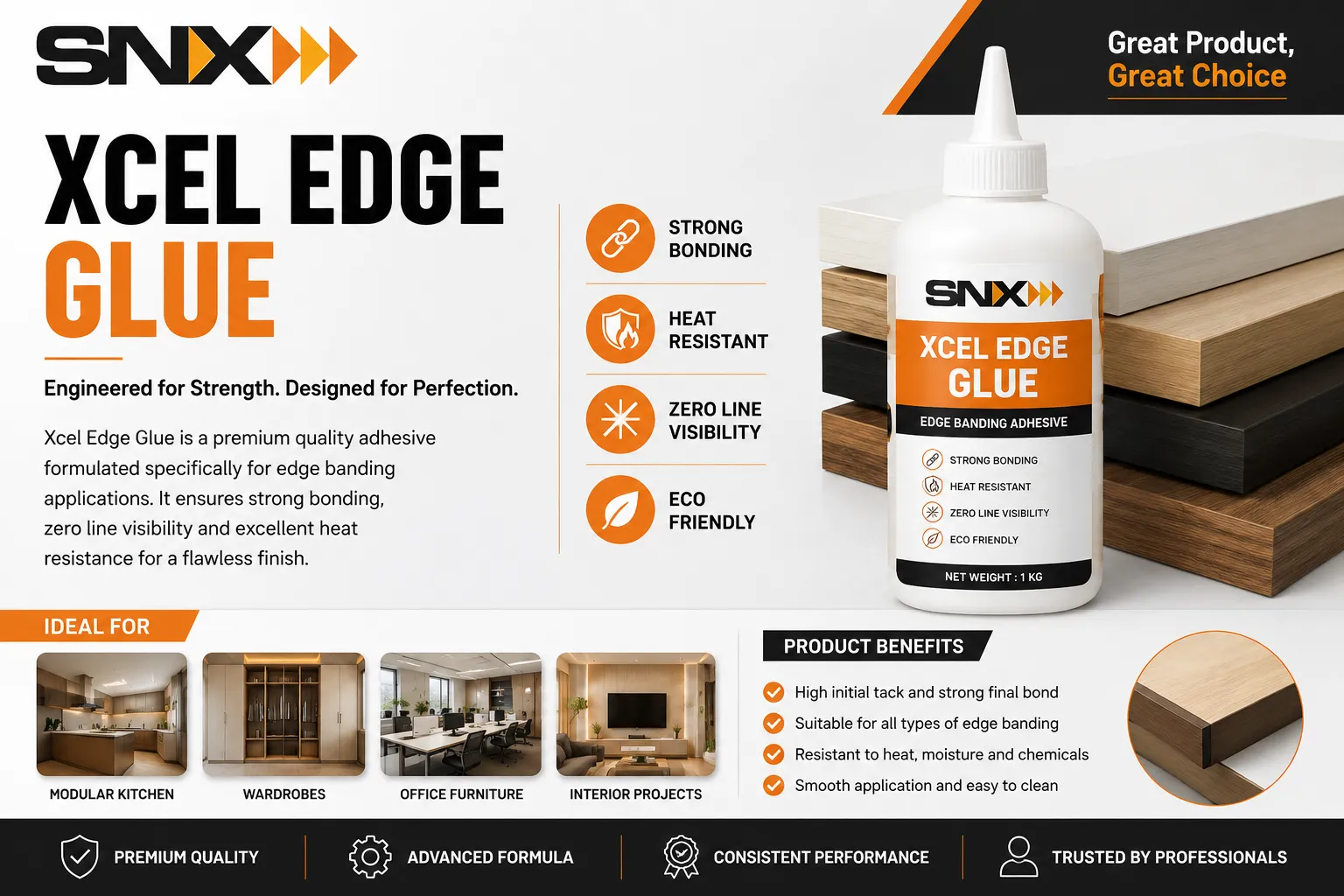

A cabinet maker in Ohio told a story at a trade show that a lot of people in the room nodded along to. He had been running his shop for fourteen years, built a solid reputation for quality work, and prided himself on never cutting corners. But for years he had been buying whatever edge adhesive was cheapest and picking up machinery wherever he could find it without thinking too hard about either decision. It was only when a long term client pointed out inconsistent edging on a kitchen cabinet run that he sat down and properly evaluated what he was using and why.
He switched to a higher quality edge adhesive suited specifically to the materials he was working with most and started being more deliberate about sourcing used woodworking machinery from reputable sellers.
Why Edge Adhesives Deserve More Attention Than They Usually Get
Different substrates need different adhesive formulations and that is where a lot of shops go wrong. MDF behaves differently from solid wood. High pressure laminate needs a different approach than wood veneer. PVC edging has different bonding requirements than ABS. Using a general-purpose edge adhesive across all of these situations works well enough some of the time but introduces inconsistency that tends to show up at the worst possible moment on an important job.
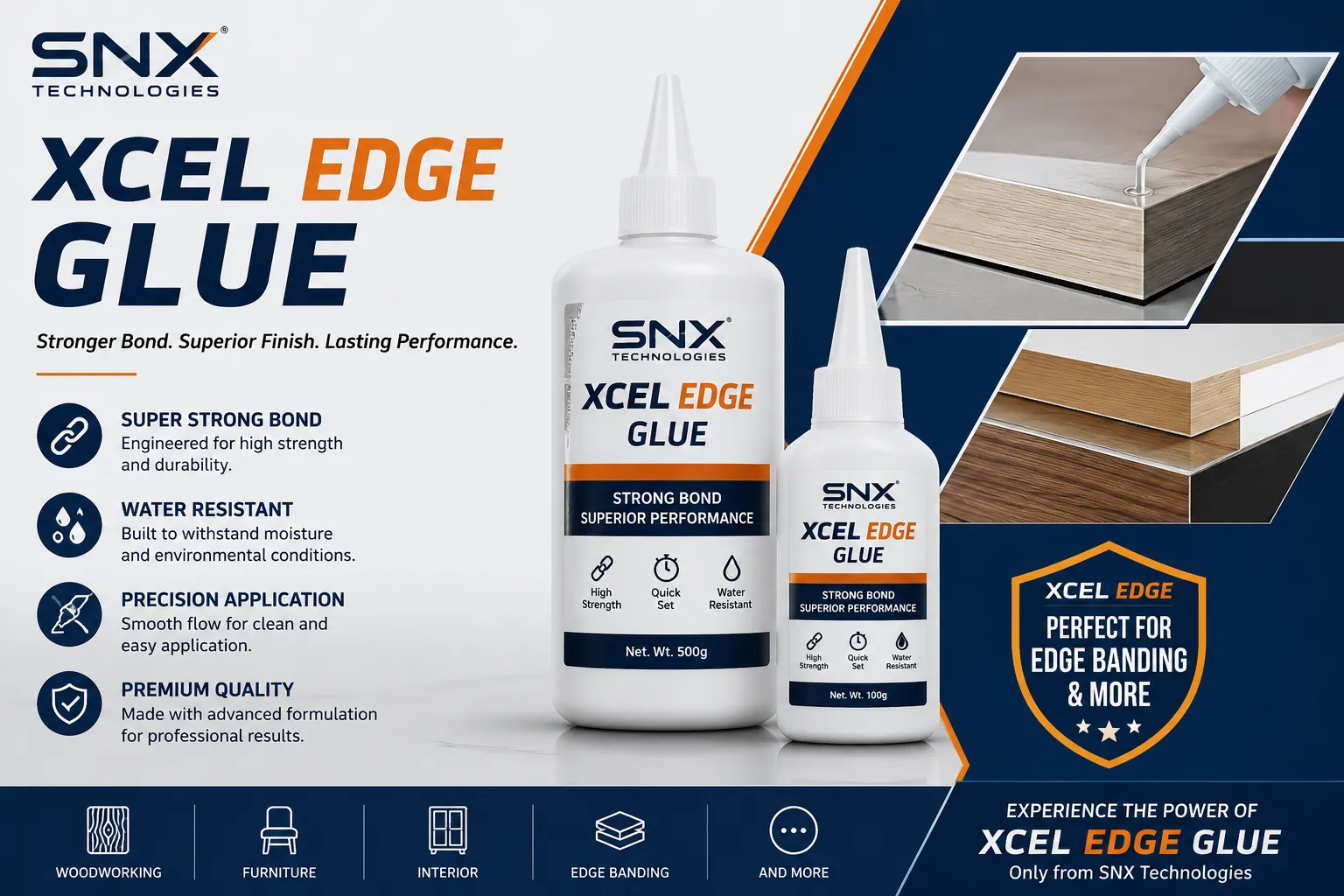
Hot melt adhesives are the most common choice in production environments where speed matters and edge banding machines are handling the application. EVA based hot melts cover most standard applications well. PUR based adhesives have become the preferred choice for work that demands a stronger, more moisture resistant bond. PUR takes longer to fully cure but holds up significantly better in environments where humidity or temperature variation is a regular factor, which makes it the right call for kitchen work, bathroom furniture, and anything going into a commercial space.
Substrate, edging material, and end environment should all inform which edge adhesive gets selected for a given job rather than defaulting to whatever is already sitting on the shelf. Manufacturers publish technical data sheets covering exactly these variables and reading them before committing to a product is a simple habit that prevents expensive rework.
Used Woodworking Machinery and the Case for Buying Smart
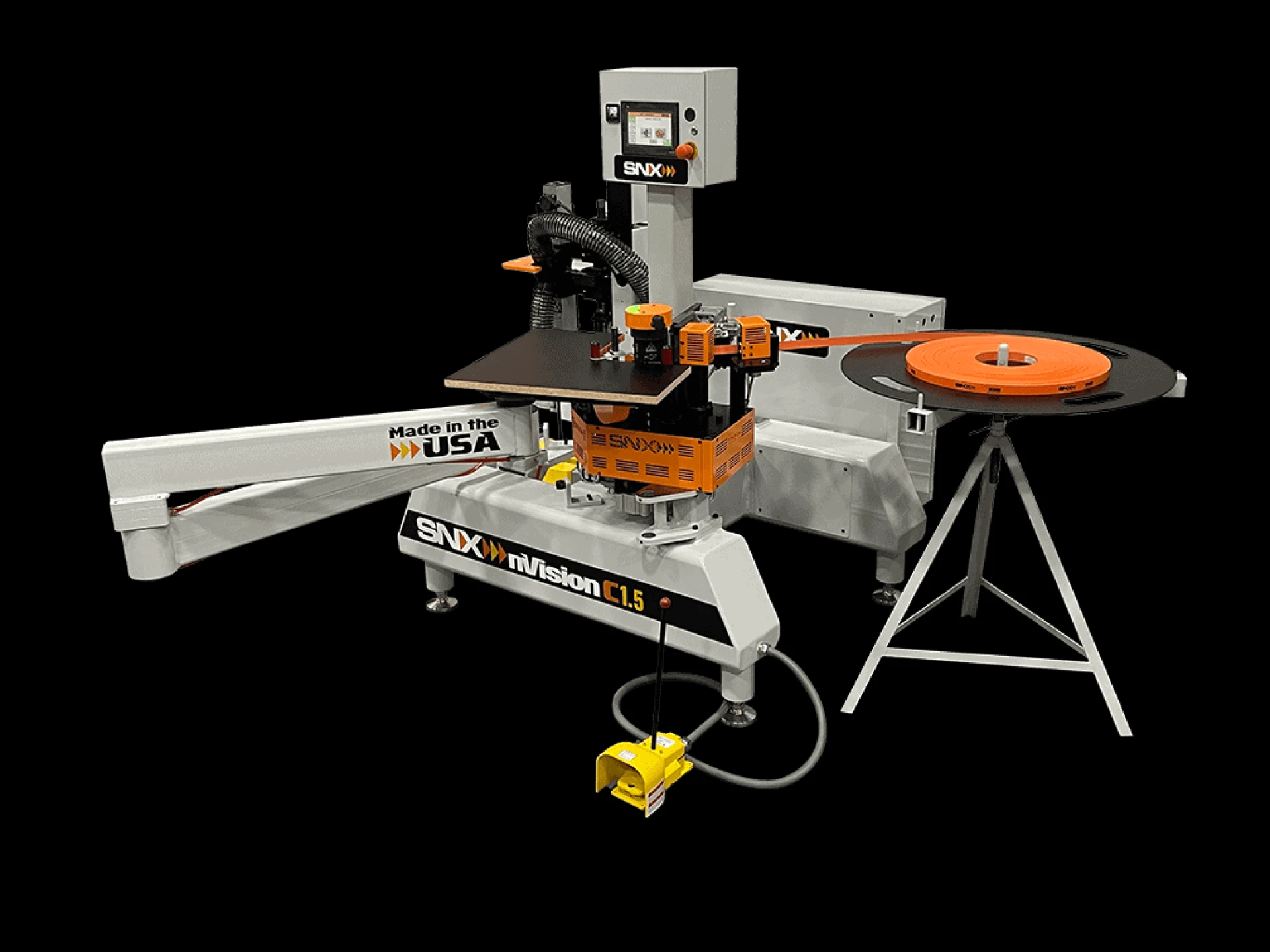
Used woodworking machinery fills that gap in a way that makes genuine financial sense when the purchase is handled properly. Woodworking equipment does not become obsolete the way consumer technology does. A well maintained edge bander or panel saw built by a reputable European manufacturer a decade ago performs the same work today that it did when it was new. The mechanical principles have not changed. The quality of the engineering has not degraded. What has changed is the price, and that difference can be redirected into better tooling, higher grade materials, or simply kept as working capital that gives the business room to breathe.
The used equipment market rewards buyers who know what they are looking at and take the time to evaluate properly before committing.
What to Actually Check Before Buying
Seeing the machine run under real working conditions is the single most important step in any used woodworking machinery purchase. Running a machine empty on a showroom floor tells very little. Running it through actual material at the speeds and feed rates the shop will use it at reveals the things a visual inspection cannot catch.
Different machine types have different areas worth scrutinizing closely. On a table saw the flatness of the table surface, the condition of the arbor bearings, and the accuracy and stability of the fence are what matter most. On an edge bander the glue pot condition, the trimming unit precision, and the feed system reliability are where problems most commonly hide. On a planer the cutterhead condition and the flatness of the infeed and outfeed tables tell most of the story.
Parts availability needs to be confirmed before any money changes hands. Older machines from manufacturers who are no longer trading or have discontinued a product line can become serious problems if something fails and replacement parts simply do not exist. A few minutes of research into parts availability and approximate costs protects against a situation where a good deal on the machine itself turns into a long term headache.
Getting Both Decisions Right
For any woodworking shop serious about the quality of its output and the health of its finances, these two decisions matter more than they tend to get treated. The right edge adhesive matched to the specific substrate, edging material, and end use produces consistent professional results that hold up over the life of the piece. Thoughtfully sourced used woodworking machinery from reputable sellers means a properly equipped shop that can do that work efficiently without unnecessary financial pressure.


























Sign in to leave a comment.