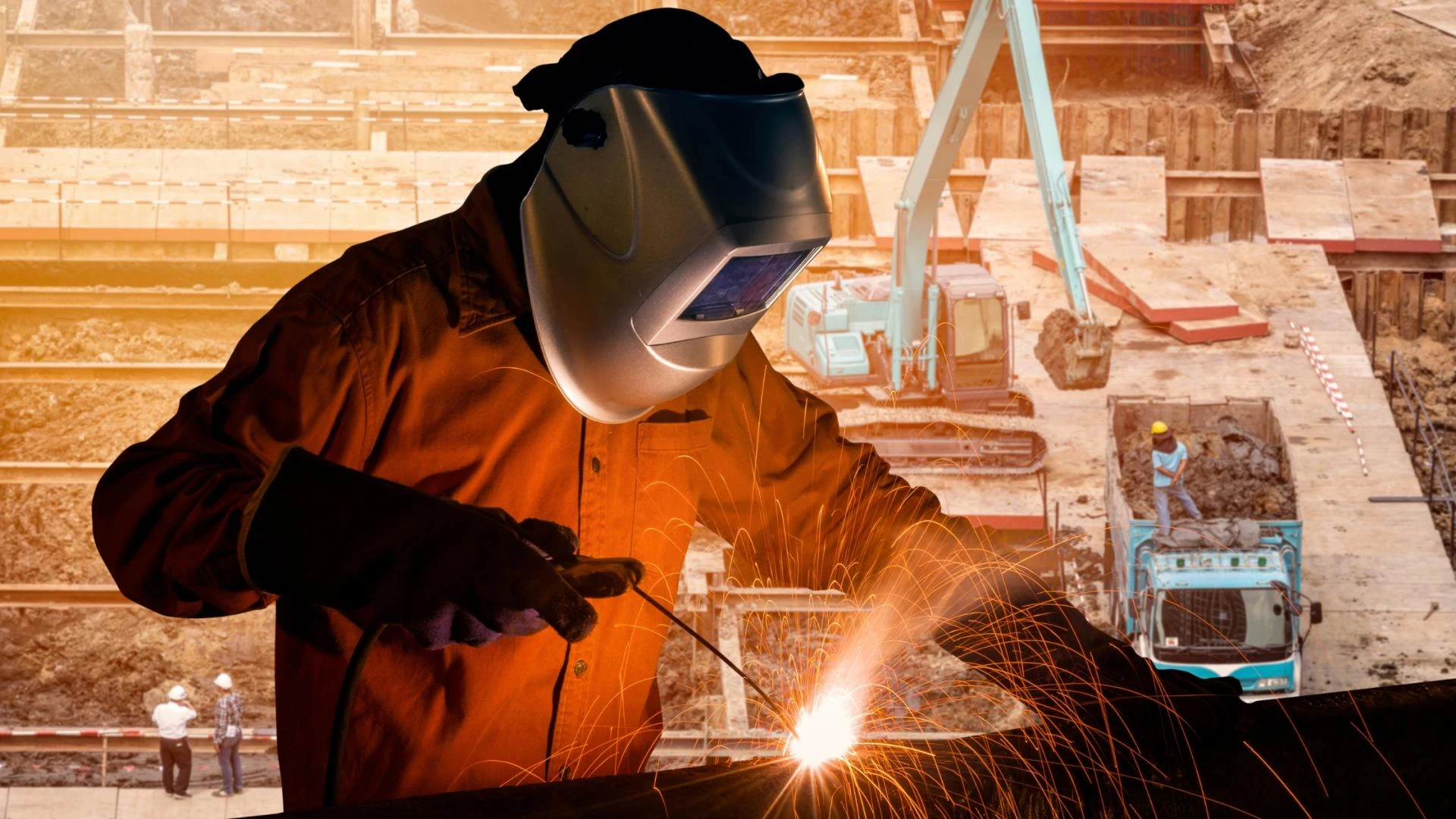

Fire Resistant Uniforms: Protection in High-Risk Work Environments
Workplaces exposed to heat, open flames, electrical arcs, and combustible materials require more than standard protective clothing. In these environments, fire-resistant uniforms play a crucial role in minimizing injury and preventing severe burns. They are not simply garments. They are engineered safety systems designed to protect workers from thermal hazards.
Industries such as oil and gas, electrical utilities, welding, manufacturing, and chemical processing face constant ignition risks. Even a brief flash fire or arc flash event can cause life-altering injuries. Proper protective apparel significantly reduces that risk.
What Makes a Uniform Fire Resistant
Unlike regular fabrics that ignite and continue to burn, fire-resistant uniforms are manufactured using specialized fibers or treated materials that self-extinguish when the ignition source is removed. This characteristic prevents flames from spreading and reduces burn severity.
There are two primary categories of fire-resistant clothing. Inherent fabrics contain flame-resistant properties built into the fiber structure itself. These properties do not wash out or degrade easily over time. Treated fabrics, on the other hand, undergo chemical processes that add flame resistance to the material surface.
Both types are effective when manufactured to meet recognized safety standards. The selection depends on industry requirements, durability expectations, and work conditions.
Protection Against Arc Flash and Flash Fire
Thermal hazards vary across industries. Electrical workers are particularly vulnerable to arc flash incidents, which release intense heat and energy within milliseconds. Oil refinery and gas plant workers may face flash fire risks due to combustible vapors.
High-quality fire-resistant uniforms are tested to measure their arc thermal performance value, commonly known as ATPV. This rating indicates how much thermal energy the fabric can withstand before the wearer risks second-degree burns.
For flash fire environments, garments must limit burn injury when exposed to short-duration flames. Layering systems are often used to increase overall protection without sacrificing mobility.
Regulatory Compliance and Industry Standards
Workplace safety regulations mandate protective clothing in specific high-hazard settings. In the United States, standards from organizations such as NFPA and OSHA define minimum performance requirements for flame-resistant apparel.
Employers must ensure that fire-resistant uniforms meet these certified benchmarks. Non-compliant garments may fail during exposure, increasing liability and endangering employees.
Routine inspections and documented compliance are critical. Safety managers typically verify labeling, fabric integrity, and protective ratings before issuing uniforms to workers.
Comfort and Wearability Considerations
Historically, flame-resistant garments were heavy and uncomfortable. Modern textile technology has significantly improved breathability, flexibility, and moisture management.
Today’s fire-resistant uniforms are designed with ergonomic tailoring, lightweight blends, and ventilation features that enhance comfort during long shifts. This improvement is important because uncomfortable gear can reduce compliance.
Workers operating in high-temperature environments require garments that balance protection with thermal regulation. Advanced fabrics help wick moisture and reduce heat stress while maintaining protective performance.
Maintenance and Longevity
Proper care extends the life and effectiveness of protective clothing. Washing instructions must be followed carefully to preserve flame-resistant properties.
While inherent fire-resistant uniforms retain their protective characteristics throughout their lifespan, treated fabrics may require monitoring to ensure continued performance. Harsh detergents, bleach, or improper laundering can degrade protective coatings.
Regular inspection for tears, worn seams, or contamination with flammable substances is essential. Damaged garments should be removed from service immediately.
Industry Applications
Electrical utilities rely heavily on protective apparel due to arc flash risks. Oil and gas operations require flame-resistant clothing in drilling, refining, and transport activities. Welding professionals depend on spark-resistant garments to prevent ignition.
Manufacturing plants handling combustible dust or volatile chemicals also integrate fire-resistant uniforms into their safety programs. In many cases, protective uniforms are combined with other personal protective equipment, such as helmets, gloves, and face shields, to create a comprehensive safety system.
Reducing Injury and Enhancing Safety Culture
Investing in certified protective clothing demonstrates organizational commitment to worker safety. Severe burns not only cause physical trauma but also result in extended downtime, legal exposure, and financial loss.
Providing properly rated fire-resistant uniforms reduces the severity of injuries in the event of an incident. More importantly, it reinforces a culture where hazard prevention is prioritized.
Safety equipment is most effective when integrated into a broader risk management strategy that includes hazard assessment, employee training, and emergency preparedness.
Strengthening Workplace Protection Against Fire Hazards
In high-risk industrial environments, exposure to heat and flame is often unavoidable. However, the severity of injury can be significantly reduced with appropriate protective apparel.
Fire-resistant uniforms are a vital safeguard against flash fires and arc flashes. By selecting certified garments, ensuring proper maintenance, and prioritizing compliance, organizations create safer workplaces and protect their most valuable asset, their workforce.


























Sign in to leave a comment.