
Fire safety is a critical concern for businesses of all sizes. Implementing the right fire safety solutions is essential to protect your employees, customers, and property from the devastating effects of fires. In this article, we will discuss the various fire safety systems available for businesses and provide guidance on choosing the right system for your specific needs. Additionally, we will address frequently asked questions related to fire safety solutions.
Part 1: Understanding Fire Safety Systems for Businesses
Fire Alarm Systems: Fire suppression system near me are the backbone of any fire safety strategy. They consist of smoke detectors, heat detectors, manual pull stations, and notification devices such as alarms and strobe lights. When a fire is detected, the system alerts occupants and triggers evacuation procedures. Fire alarm systems can be conventional or addressable, with addressable systems providing more detailed information about the location of the fire.
Sprinkler Systems: Sprinkler systems are highly effective in suppressing fires and preventing their spread. They consist of a network of pipes with sprinkler heads that automatically release water when the ambient temperature rises due to a fire. Sprinkler systems can be wet systems, where the pipes are filled with water, or dry systems, where the pipes are filled with pressurized air or nitrogen, with water released when a sprinkler head is activated. Sprinkler systems are typically designed based on occupancy type and hazard level.
Fire Suppression Systems: Fire suppression systems are designed to automatically suppress fires using various methods. Common types include:
Clean Agent Systems: These systems use gaseous agents, such as FM-200 or Novec 1230, to suppress fires by reducing the oxygen concentration and cooling the fire. Clean agent systems are commonly used in areas with sensitive equipment, such as server rooms or data centers, as they do not leave residue or cause water damage.
Foam Systems: Foam suppression systems use a foam concentrate mixed with water to create a foam blanket that suppresses flammable liquid fires. These systems are often found in areas with high-risk flammable liquid storage, such as fuel storage or chemical processing facilities.
Carbon Dioxide (CO2) Systems: CO2 systems use carbon dioxide gas to displace oxygen and extinguish fires. They are commonly used in areas with electrical equipment, such as control rooms or electrical substations, as CO2 does not conduct electricity.
Water Mist Systems: Water mist systems use fine water droplets to suppress fires by cooling and smothering them. These systems are versatile and can be used in various applications, including commercial buildings, hospitals, and museums.
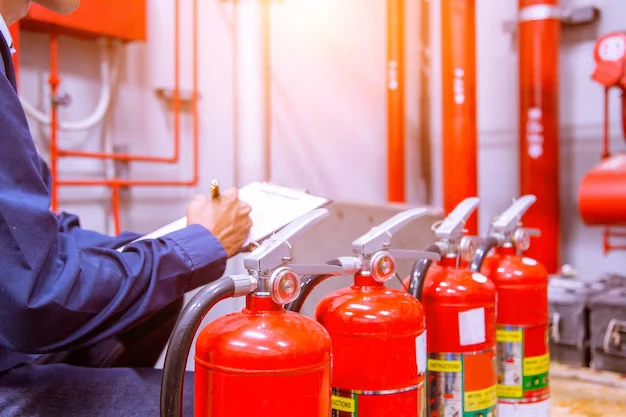
Fire Extinguishers: Fire extinguishers are essential tools for quickly extinguishing small fires. They come in different types, including ABC, CO2, water mist, foam, and wet chemical extinguishers. The selection of fire extinguishers should be based on the specific fire risks in your facility.
Emergency Lighting: Emergency lighting plays a crucial role in guiding occupants to safety during a fire emergency. It ensures that exit routes are well-illuminated, even in the event of a power outage. Emergency lighting systems typically include battery-powered lights and illuminated exit signs.
Fire Doors and Fire-Resistant Partitions: Fire doors and fire-resistant partitions are designed to compartmentalize buildings and prevent the spread of fire and smoke. These components are constructed with fire-resistant materials and have specific fire ratings based on their ability to withstand fire for a certain duration.
Part 2: Choosing the Right Fire Safety System for Your Business
When selecting a fire safety system for your business, consider the following factors:
Building Type and Occupancy: The type of building and its occupancy classification will influence the fire safety requirements. For example, a high-rise office building will have different needs than a manufacturing facility or a retail store. Understand the specific fire safety codes and regulations applicable to your building type and occupancy.
Fire Hazards: Assess the potential fire hazards present in your facility. Consider flammable materials, heat-producing equipment, electrical systems, and any specific fire risks associated with your industry. This evaluation will help determine the appropriate fire safety systems and equipment needed.
Occupant Safety: Prioritize the safety of your employees, customers, and visitors. Ensure that fire alarm systems, emergency lighting, and clear evacuation routes are in place to facilitate a safe and orderly evacuation in the event of a fire.
Integration and Monitoring: Consider how different fire safety systems can be integrated and monitored. For example, integrating fire alarm systems with sprinkler systems can provide faster response times and more effective fire suppression. Additionally, consider if you need remote monitoring capabilities to receive real-time alerts or notifications in case of a fire emergency.
Maintenance and Compliance: Fire safety systems require regular maintenance to ensure their proper functioning. Consider the maintenance requirements and associated costs when selecting a system. Additionally, ensure that the chosen system complies with local fire codes and regulations.
Budget: Determine the budget allocated for fire safety systems and equipment. Consider the upfront costs of installation, equipment,and ongoing maintenance expenses. It's important to strike a balance between cost and the level of protection needed for your business.
Part 3: Frequently Asked Questions (FAQ)
Q1: Are fire alarm systems mandatory for businesses?
A1: Yes, fire alarm systems are typically required for most commercial buildings. Fire codes and regulations vary by location, but they generally mandate the installation of fire alarm systems to ensure occupant safety and facilitate timely evacuation during a fire emergency.
Q2: Can fire sprinkler systems cause water damage?
A2: While it is true that fire sprinkler systems release water to suppress fires, the amount of water discharged is typically much less than what would be released by firefighting hoses. Additionally, sprinkler systems are designed to activate only in the area where a fire is detected, minimizing water damage to other parts of the building.
Q3: How often should fire extinguishers be inspected and maintained?
A3: Fire extinguishers should be inspected and maintained regularly to ensure they are in proper working condition. Typically, they should be visually inspected monthly and undergo a more thorough inspection and maintenance annually. This includes checking the pressure, verifying the expiration date, and ensuring that the extinguisher is free from damage or obstruction.
Q4: What are the requirements for emergency lighting in a commercial building?
A4: Emergency lighting systems must meet specific requirements to ensure safe evacuation during a fire emergency. The lighting should be designed to provide adequate illumination along escape routes, including stairwells, corridors, and exit doors. The lights should be battery-powered and capable of providing illumination for a specified duration, typically 90 minutes, in the event of a power failure.
Q5: How can I ensure that my fire safety systems remain compliant with regulations?
A5: To ensure compliance with fire safety regulations, it is important to stay updated on the local fire codes and regulations applicable to your business. Work with qualified fire safety professionals who can assist you in designing, installing, and maintaining your fire safety systems. Regular inspections, testing, and maintenance should be conducted to ensure ongoing compliance.
Q6: Can I install fire safety systems myself, or do I need professional assistance?
A6: It is highly recommended to seek professional assistance when installing fire safety systems. Fire safety systems involve complex engineering, design considerations, and compliance requirements. Professional fire safety companies have the expertise and knowledge to assess your specific needs, design an appropriate system, and ensure proper installation and ongoing maintenance.
Conclusion
Choosing the right fire safety system for your business is crucial to protect lives, property, and assets. Consider the unique characteristics of your building, evaluate fire hazards, prioritize occupant safety, and ensure compliance with fire codes and regulations. Seek professional assistance to design and install the appropriate fire safety systems, and regularly maintain and inspect them to ensure their effectiveness. By investing in the right fire safety solutions, you can minimize the risk of fire-related incidents and protect your business and its stakeholders.



























Sign in to leave a comment.