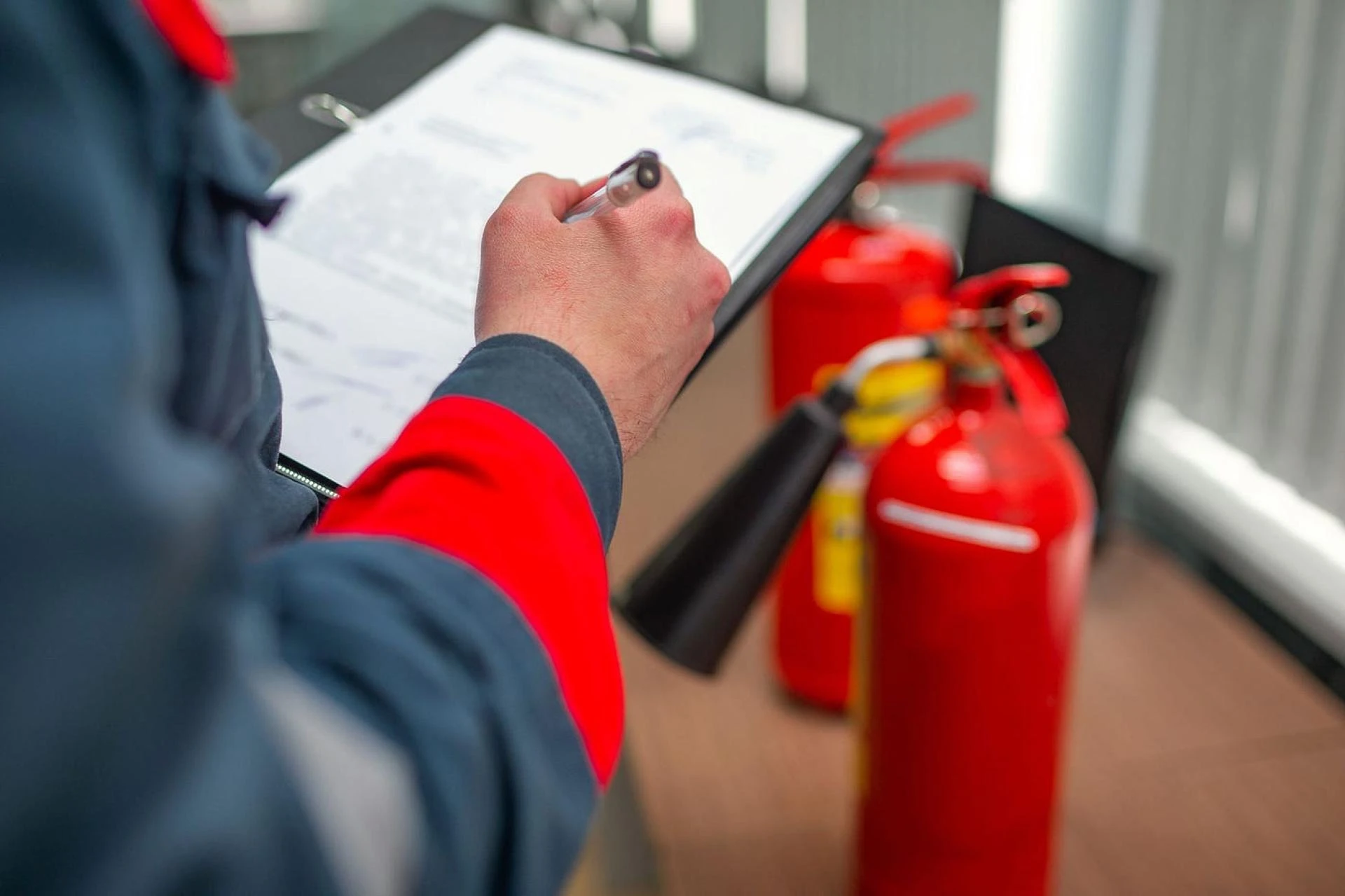
In today’s business environment, workplace safety is more than just a legal requirement—it’s a vital component of employee well-being and organizational stability. For industries that handle materials or operate in high-risk environments, the importance of fire safety training cannot be overstated. At Sri Triveni Crafts, we believe that comprehensive fire safety measures, including employee training, should be at the core of every emergency preparedness plan.
Why Emergency Preparedness is Crucial
Protecting People and Property
Emergencies like fires can occur without warning, making preparation essential. An effective emergency plan ensures that everyone knows what to do, where to go, and how to respond, minimizing injuries and reducing property damage. Fire safety is not just about equipment; it's also about awareness and action.
Legal and Regulatory Compliance
Companies are legally bound to comply with fire safety laws and occupational health standards. This includes regular risk assessments, fire drills, and equipment checks. However, without proper employee training, even the most advanced fire safety systems can fail in practice.
What Does Fire Safety Training Involve?
Education and Awareness
Fire safety training equips employees with knowledge about fire risks, prevention methods, and appropriate response techniques. Training typically includes:
- Identifying fire hazards
- Emergency evacuation procedures
- Use of fire extinguishers and alarms
- Roles and responsibilities in an emergency
Customized Training Programs
Every workplace is different, and so are its fire risks. A factory has different needs compared to an office or a craft manufacturing unit like Sri Triveni Crafts. That’s why training should be tailored to the specific operations and layout of your facility.
Benefits of Incorporating Training into Emergency Plans
Faster and Safer Evacuations
Trained employees are more likely to remain calm and act quickly during a fire. Knowing where to exit, how to help others, and when to use extinguishing equipment can dramatically reduce response time and save lives.
Reduced Risk of Fire Outbreaks
One of the biggest advantages of fire safety training is its preventive nature. Employees who know how to recognize potential fire hazards—such as faulty wiring or blocked exits—can take corrective action before an incident occurs.
Improved Workplace Morale
Training fosters a culture of safety and responsibility. Employees feel valued and secure when they know their employer has invested in their safety. This confidence boosts morale and overall productivity.
How to Integrate Fire Safety Training into Your Plan
Schedule Regular Sessions
Training should be an ongoing process, not a one-time event. Schedule sessions at regular intervals—at least once a year—and refresh the content to include new safety protocols or equipment.
Conduct Realistic Fire Drills
Fire drills simulate emergency situations, helping employees apply what they've learned in training. Drills should reflect possible real-life scenarios and be evaluated for efficiency and effectiveness.
Collaborate with Fire Safety Experts
Partnering with professionals ensures that your training is up-to-date and compliant with safety standards. Sri Triveni Crafts recommends using certified experts to conduct fire safety audits. Learn more about how we can help on our Fire Safety Audits page.
Fire Safety Training for Specialized Work Environments
In industries like ours, which involve the handling of fabrics, threads, and other combustible materials, fire risk is inherently higher. This makes customized training even more essential. We ensure that our employees are equipped not just with the tools, but also the knowledge to prevent and respond to fires effectively.
Conclusion
An emergency preparedness plan without fire safety training is like a fire extinguisher with no pressure—useless when it matters most. Training empowers employees to take action quickly and responsibly during emergencies. At Sri Triveni Crafts, we are committed to making fire safety an integral part of our culture. Being proactive today could prevent a disaster tomorrow.
Frequently Asked Questions (FAQs)
1. How often should fire safety training be conducted in a workplace?
Ideally, training should be conducted annually. However, in high-risk environments or after significant changes in operations, more frequent sessions are advised.
2. Who is responsible for organizing fire safety training in a company?
Typically, the safety officer or facility manager oversees training, often in partnership with external fire safety professionals.
3. Do new employees require fire safety training during onboarding?
Yes. Every new employee should receive fire safety instructions as part of their orientation, regardless of their role.
4. What is the difference between a fire drill and fire safety training?
Training teaches employees how to react, while drills allow them to practice those skills in a simulated emergency environment.
5. Is a fire safety audit the same as fire safety training?
No. A fire safety audit evaluates the physical and procedural fire safety measures in place, while training prepares employees to act during emergencies.



























Sign in to leave a comment.