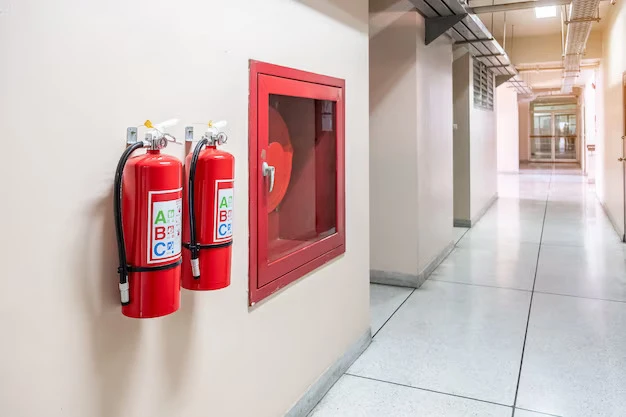

When it comes to fire safety, having an effective fire suppression system in place is crucial. Fire suppression systems are designed to quickly detect and suppress fires, minimizing property damage and protecting lives. If you are looking for fire suppression systems near you, this article will provide you with valuable tips for selecting the right system. We will explore different types of fire suppression systems, their components, and important factors to consider during the selection process. Please note that the information provided here is for educational purposes only and does not endorse any specific company.
Understanding Fire Suppression SystemsFire suppression systems are designed to control or extinguish fires automatically. They are typically installed in commercial, industrial, or residential buildings where the risk of fire is high. Understanding the different types of fire suppression systems will help you make an informed decision when selecting the right system for your needs.
a. Water-Based Fire Suppression Systems: Water-based systems are the most common type of fire suppression systems. They use water as the primary extinguishing agent. These systems can be further classified into:
i. Wet Pipe Systems: Wet pipe systems are constantly filled with pressurized water. When a fire is detected, the water is immediately discharged through sprinkler heads, suppressing the fire.
ii. Dry Pipe Systems: Dry pipe systems are filled with compressed air or nitrogen instead of water. When a fire is detected, the air pressure drops, allowing water to flow into the pipes and then discharge through sprinkler heads.
iii. Preaction Systems: Preaction systems are similar to dry pipe systems but require an additional step to activate. They use a combination of air and water, with water flowing into the pipes only when a supplemental detection system confirms the presence of fire.
b. Gaseous Fire Suppression Systems: Gaseous systems are designed to suppress fires by reducing the oxygen concentration in the protected area or by interrupting the chemical chain reaction of combustion. Common types of gaseous fire suppression systems include:
i. Inert Gas Systems: Inert gas systems use inert gases, such as nitrogen, argon, or carbon dioxide, to reduce the oxygen concentration below the level required to sustain combustion. These systems are often used in areas where water damage must be minimized, such as data centers or museums.
ii. Clean Agent Systems: Clean agent systems utilize clean, electrically non-conductive gases, such as FM-200, Novec 1230, or CO2, to suppress fires. These systems are suitable for protecting sensitive equipment and areas where water-based systems are not desirable.
c. Foam-Based Fire Suppression Systems: Foam-based systems are designed to suppress flammable liquid fires. They discharge foam onto the burning surface, forming a blanket that prevents the release of flammable vapors and suppresses the fire. Foam systems are commonly used in areas where flammable liquids are stored or processed, such as fuel storage facilities or chemical plants.
d. Specialized Fire Suppression Systems: Certain environments or applications require specialized fire suppression systems. Examples include:
i. Kitchen Hood Suppression Systems: These systems are specifically designed for commercial kitchens and automatically suppress fires that occur on cooking appliances. They use a combination of wet chemicals or extinguishing agents to effectively suppress grease fires.
ii. Industrial Fire Suppression Systems: Industrial settings often require customized fire suppression solutions tailored to their unique hazards. These systems may include high-expansion foam systems, deluge systems, or water mist systems, depending on the nature of the industrial processes.
Components of a Fire Suppression SystemFire suppression systems consist of various components that work together to detect and suppress fires effectively. Understanding these components will help you evaluate the systems available near you.
a. Control Panel: The control panel is the central hub of the fire suppression system. It receives signals from detectors, monitors system status, and activates the suppression system when a fire is detected.
b. Detectors: Detectors are devices that sense the presence of fire by detecting heat, smoke, or flames. Common types of detectors include heat detectors, smoke detectors, flame detectors, and linear heat detection cables.
c. Suppression Agent Storage: The suppression agent, whether it is water, gas, or foam, is stored in tanks or cylinders. The size and capacity of the storage containers depend on the specific system and the protected area's size.
d. Piping Network: The piping network distributes the suppression agent from the storage containers to the protected area. The design and layout of the piping system should ensure efficient coverage and proper discharge of the suppression agent.
e. Nozzles or Sprinkler Heads: Nozzles or sprinkler heads are installed throughout the protected area and are designed to discharge the suppression agent when activated. They play a critical role in delivering the agent to the right locations to effectively suppress the fire.
f. Activation Mechanism: The activation mechanism triggers the discharge of the suppression agent when a fire is detected. It is typically initiated by the control panel based on signals receivedfrom the detectors or other fire detection devices.
g. Warning and Alarm Systems: Fire suppression systems often include warning and alarm systems to alert occupants and facilitate a safe evacuation. These systems may include audible alarms, visual strobe lights, or voice evacuation systems.
h. Maintenance and Inspection Equipment: Fire suppression systems require regular maintenance and inspection to ensure their continued effectiveness. This may include pressure gauges, test valves, and other equipment necessary for system testing, maintenance, and troubleshooting.
Factors to Consider When Selecting a Fire Suppression SystemChoosing the right fire suppression system for your needs requires careful consideration of several factors. Here are some important factors to keep in mind during the selection process:
a. Fire Risk Assessment: Conduct a thorough fire risk assessment of your property or facility to identify the specific fire hazards and risks. Consider the type of occupancy, the presence of flammable materials, electrical equipment, and any other factors that may increase the likelihood of a fire. This assessment will help you determine the appropriate type of fire suppression system and its design requirements.
b. Local Regulations and Codes: Familiarize yourself with the local fire safety regulations, building codes, and insurance requirements applicable to your area. Different jurisdictions may have specific regulations regarding fire suppression systems, including the type of system required, installation standards, and maintenance obligations. Ensure that the system you choose complies with these regulations.
c. System Reliability and Effectiveness: Look for fire suppression systems that have a proven track record of reliability and effectiveness. Research the reputation of the manufacturer or supplier, read customer reviews and testimonials, and inquire about the system's performance in real-life fire incidents. Consider systems that have been tested and certified by independent testing laboratories or organizations.
d. Scalability and Expandability: Consider the future needs and potential expansion of your property or facility. Choose a fire suppression system that can be easily scaled up or expanded to accommodate changes in the building layout, occupancy, or fire protection requirements. This flexibility will save you time and money in the long run.
e. Maintenance and Service Requirements: Fire suppression systems require regular maintenance, inspection, and servicing to ensure their proper functioning. Inquire about the maintenance and service requirements of the system you are considering. Consider factors such as the availability of qualified technicians, spare parts, and the manufacturer's support network. A reliable maintenance and service infrastructure will help ensure the longevity and effectiveness of your system.
f. Cost Considerations: While cost should not be the sole determining factor, it is an important consideration when selecting a fire suppression system. Compare the initial installation costs, ongoing maintenance expenses, and any additional costs associated with the system, such as refilling or replacing suppression agents. Balance the upfront costs with the long-term benefits and effectiveness of the system.
g. Compatibility with Existing Infrastructure: If you have an existing fire alarm or detection system, consider the compatibility of the fire suppression system with your current infrastructure. Ensure that the systems can be integrated and work seamlessly together to provide comprehensive fire protection.
h. Training and Education: Evaluate the training and education resources provided by the manufacturer or supplier. Proper training of your staff or occupants is crucial for the effective operation of the fire suppression system. Look for suppliers who offer training programs, user manuals, and ongoing support to ensure that your personnel can operate the system correctly in case of an emergency.
Engaging a Qualified Fire Protection ProfessionalSelecting and installing a fire suppression system is a complex task that requires expertise and knowledge. Engaging a qualified fire protection professional is highly recommended to ensure that you choose the right system and that it is installed correctly. A fire protection professional can conduct a detailed assessment of your property, recommend suitable fire suppression systems, and oversee the installation process. They will also ensure compliance with local regulations and codes, as well as provide guidance on maintenance and inspections.
Conclusion
Selecting the right fire suppression system near me is a critical step in safeguarding your property and the lives of its occupants. By understanding the different types of fire suppression systems, their components, and considering important factors such as fire risk assessment, local regulations, system reliability, scalability, maintenance requirements, cost considerations, compatibility, and training, you can make an informed decision. Remember to engage a qualified fire protection professional to guide you through the selection and installation process. Prioritize fire safety and protect what matters most.



























Sign in to leave a comment.