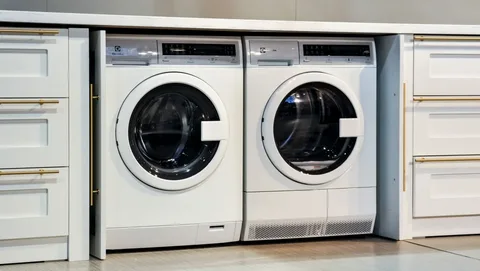

A malfunctioning dryer timer is more than a minor inconvenience; it’s a disruption to your household rhythm. When you set your dryer for a 40-minute cycle and return an hour later to find the dial hasn't moved—or worse, the dryer is still running with bone-dry, overheating clothes—you likely have a serious mechanical or electrical issue.
As experts in appliance maintenance and residential SEO strategies, we know that homeowners are often stuck between a DIY fix and calling a professional Dryer Repair Service. This guide walks you through the logic, safety protocols, and step-by-step solutions to diagnose and fix a dryer timer that isn't advancing.

Understanding the Dryer Timer Mechanics
The dryer timer is essentially the "command center" of your machine. It consists of a small synchronous motor and a series of internal gears that close and open electrical contacts. These contacts send power to the heating element, the drive motor, and the signal buzzer.
It is important to note that a timer "not working" can manifest in two ways:
- The dial doesn't move, but the dryer keeps running.
- The dryer won't start because the timer isn't sending power to the motor.
Safety Protocol: Essential Pre-Repair Steps
Before attempting any repair, safety is paramount. Dryers operate on high voltage (usually 240V for electric models), which can be fatal if handled improperly.
- Disconnect Power: Unplug the dryer from the wall outlet.
- Gas Safety: If you have a gas unit, shut off the gas supply line to prevent accidental leaks.
- Access Space: Move the dryer away from the wall to ensure you have full access to the rear console panel.
- Tool List: You will need a Phillips-head screwdriver, a nut driver set, needle-nose pliers, and a digital multimeter.

Phase 1: Rule Out Simple External Failures
Before disassembling the entire console, check for these common low-difficulty issues that mimic a broken timer.
1. The Broken Timer Knob
The plastic knob on the control panel is reinforced by a metal insert that grips the timer’s D-shaped shaft. Over time, the plastic can crack. The knob may turn in your hand, but the internal shaft remains stationary.
- The Test: Pull the knob off and inspect the rear for cracks or rounding.
- The Fix: If the knob is stripped, replacing it is a 10-second fix that requires zero tools.
2. The Door Switch Failure
If the dryer won't start at all, many users blame the timer. However, if the door switch is broken, the circuit is never completed.
- The Test: Open the door and manually press the switch lever. You should hear a click.
- The Fix: If there is no click or continuity when tested with a multimeter, the switch must be replaced before the timer can receive power.
3. Airflow and Overheating
In modern dryers, an overheat condition can trigger a thermal fuse. In some wiring configurations, a blown thermal fuse will stop the timer motor from receiving current. Ensure your lint trap and external exhaust vent are clear of debris.
Phase 2: Testing the Timer Motor for Continuity
If the dryer runs but the timer won't advance, the internal timer motor has likely failed. This motor is a small circular component attached to the back of the timer assembly.
Accessing the Assembly
- Remove the screws on the back of the dryer’s top console.
- Lift or tilt the console to expose the wiring and the timer box.
- Take a Photo: This is a crucial step. The timer has several wires (often color-coded). A photo ensures you don't cross wires during reassembly.
The Multimeter Test
- Set your multimeter to the Ohms setting ($\Omega$).
- Identify the two wires leading directly to the small motor on the back of the timer.
- Disconnect these wires to isolate the motor.
- Place your probes on the motor terminals.
- Interpreting Results: A functional motor should read between 2,000 and 3,000 Ohms. If the screen reads "OL" (Open Loop) or zero, the motor is dead.
Phase 3: Inspecting Secondary Components (Auto Dry Mode)
If your timer works on "Timed Dry" but refuses to move on "Auto Dry," the timer assembly itself might actually be fine. In Auto Dry mode, the timer relies on the Cycling Thermostat or Moisture Sensors.
The Cycling Thermostat
This component tells the dryer when the air is hot enough. If it fails, the timer motor never receives the signal to advance to the next gear.
- Location: Usually found on the blower housing or internal ductwork.
- Testing: Test for continuity while the dryer is cold. If it is "Open," replace it.
Phase 4: When to Call a Professional Dryer Repair Service
While many timer issues are straightforward, some involve complex wiring looms or centrifugal switches on the drive motor. If you find that the timer is getting power but the internal gears are making a grinding noise, or if you see visible scorch marks on the wire terminals, it is time to seek professional help.
For residents in high-demand areas like the UAE, where appliances run frequently due to heavy laundry loads, a specialized Dryer Repair Service can provide a diagnostic guarantee. Companies like Official Service Center or 24x7 Service UAE offer the technical expertise to handle model-specific quirks that a general guide might miss.
Phase 5: Replacing the Entire Timer
If you have confirmed the timer is faulty, follow these steps for a clean replacement:
- Identify the Model: Locate the model sticker inside the dryer door. You must buy an exact OEM match.
- Disconnect Wires One-by-One: Using your reference photo, move one wire at a time from the old unit to the new one. This prevents confusion.
- Mounting: Unscrew the old assembly, slide in the new one, and tighten the mounting screws.
- Reassemble Console: Flip the console back into place and secure the rear panel.
Maintenance Tips to Prevent Timer Failure
To extend the life of your new timer and avoid future calls to a Dryer Repair Service, follow these habits:
- Don't Force the Dial: Never turn the timer knob counter-clockwise (unless your specific model manual allows it). This strips the internal gears.
- Clean the Vents: Overheating is the #1 cause of electrical component failure.
- Check the Knob Tension: A loose knob creates vibration that can loosen the internal contacts over time.
Conclusion
Fixing a dryer timer requires a methodical approach—moving from the simplest mechanical parts (the knob) to the electrical components (the motor and thermostats). By utilizing a multimeter and following the steps above, you can often solve the problem without a costly replacement of the entire appliance.
However, electrical work isn't for everyone. If you've tested the basics and the dial still won't budge, contact a certified Dryer Repair Service to ensure your unit is safe and efficient.
Are you looking for more DIY tips? Check out our recent guide on fixing dishwasher drainage issues or building your own home maintenance checklist!



























Sign in to leave a comment.