When choosing awnings for a residential property, one of the most common decisions homeowners face is whether to install house awnings retractable or fixed awnings. Each option offers distinct benefits, and understanding how they differ makes it easier to choose what works best for your home.
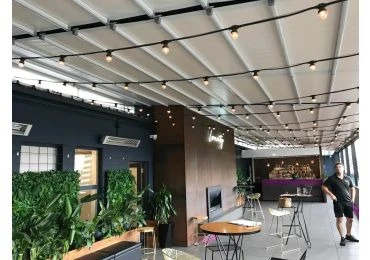
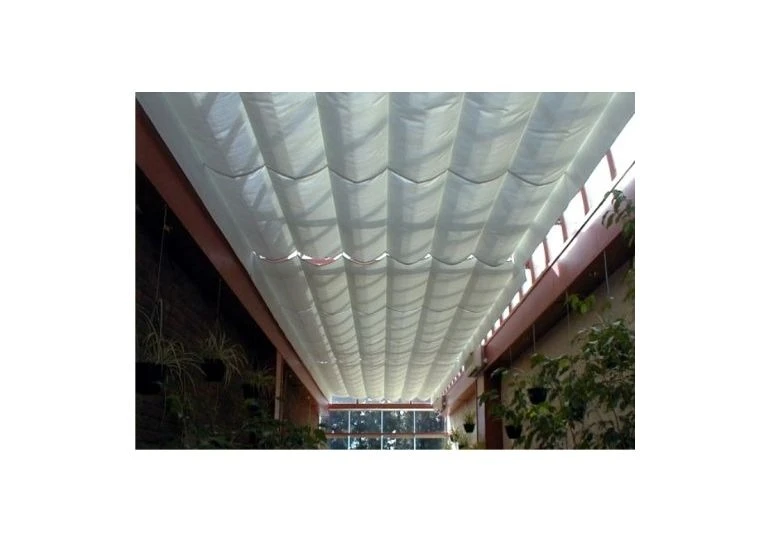
Retractable awnings are designed to extend and retract as needed, making them a flexible choice for many homes, including areas such as patios, decks, and even above entry points like a French door canopy. They can be operated manually or with motorised systems that respond to remote controls, wall switches, or weather sensors. When extended, they provide shade and protection, and when retracted, they sit neatly against the building, allowing full sunlight and open views.
Understanding Retractable House Awnings
Retractable awnings are designed to extend and retract as needed. They can be operated manually or with motorised systems that respond to remote controls, wall switches, or even weather sensors. When extended, they provide shade and protection. When retracted, they sit neatly against the building, leaving windows and outdoor areas fully exposed.
These awnings are popular with homeowners who want flexibility and control over how much shade their home receives throughout the day and across different seasons.
Benefits of Retractable Awnings for Homes
Retractable awnings are ideal for homeowners who want adaptable solutions. Key advantages include:
- Adjustable shade depending on time of day or season
- Protection for outdoor areas during hot weather
- Ability to retract during strong winds or storms
- Clean, unobtrusive appearance when not in use
They are particularly useful for patios, decks, and windows that receive varying levels of sunlight.

Understanding Fixed House Awnings
Fixed awnings are permanently installed structures that remain in place year-round. They are usually supported by frames and are made from fabric, metal, or polycarbonate materials. Fixed awnings provide consistent protection and are often chosen for their strength and durability.
These awnings are commonly used over windows, doorways, and walkways where constant shade or rain protection is required.
Benefits of Fixed Awnings for Homes
Fixed awnings are well-suited to areas that need ongoing coverage. Their main advantages include:
- Continuous protection from the sun and rain
- Strong structural stability
- Minimal moving parts, reducing mechanical issues
- Long-lasting performance with basic maintenance
They also contribute to architectural character and can become a permanent design feature of the home.
Comparing Function and Lifestyle Fit
Retractable awnings offer flexibility, making them ideal for homeowners who want to enjoy sunlight at certain times and shade at others. Fixed awnings, on the other hand, provide reliable, all-day coverage without the need for adjustment.
From a lifestyle perspective, retractable awnings suit outdoor entertaining areas where conditions change throughout the day. Fixed awnings suit entryways, windows, or areas where consistent shelter is always beneficial.
Maintenance and Durability Considerations
Retractable awnings require occasional servicing of arms, motors, and mechanisms. Fixed awnings have fewer mechanical components, which can make maintenance simpler, but they are exposed to weather at all times and may require periodic cleaning or fabric replacement.
Choosing between retractable and fixed house awnings depends on how you use your home and outdoor spaces. Retractable awnings offer flexibility, modern convenience, and adaptable comfort. Fixed awnings provide durability, simplicity, and constant protection.




















Sign in to leave a comment.