

Stockholm is a city built on contrasts. You've got cobblestone streets in Gamla Stan just a few kilometres from glass-fronted apartment blocks in Hammarby Sjöstad, and underneath all of it runs a sewer network that's just as mixed. Some pipes have been in the ground for over a hundred years. Others were laid within the last decade. All of them are working hard to keep water moving through a city that keeps growing. So when something goes wrong down there, you usually find out about it fast.
Why Sewer Blockages Happen So Often in Stockholm
There's rarely one single reason a sewer line blocks up. It's usually several things piling on top of each other over months, sometimes years.
- Tree roots cause a lot of grief, especially in neighbourhoods like Bromma, Enskede, and parts of Södermalm, where older streets are lined with mature trees. Roots go looking for moisture, and it doesn't take much; a hairline crack in a clay or concrete pipe is plenty of an opening. Once a root gets in, it keeps growing, and eventually the pipe is choked solid.
- Grease is another big one, particularly around Östermalm and central Kungsholmen, where restaurants and cafés are packed close together. Fat goes down the drain as a liquid, cools off inside the pipe, and hardens. Layer by layer, the passage narrows until there's nowhere left for wastewater to go.
- Then there's the age of the infrastructure itself. Many of the buildings in central Stockholm have plumbing systems that were installed many years ago. Rust, damaged areas, and improperly aligned joints are very typical for such systems and quite often it is because of those things that the pipe becomes blocked once again after being cleaned.
- The problem only worsens during the winter months, when low temperatures lead to cracking or moving of the pipes. Once spring comes, the thawing causes the meltwater to go directly into the pipes.
And sometimes it's just misuse. Wipes, sanitary products, cooking oil, and bits of construction debris are all flushed down toilets and drains where they don't belong. Unlike toilet paper, this stuff doesn't break down. It catches on rough pipe walls and becomes a magnet for everything that comes after it.
Recognising the Warning Signs Early
Most blockages don't come out of nowhere; there's usually some warning first. A slow-draining sink or tub; gurgling from the toilet or floor drain; a bad smell near a drain or outside the property; water backing up in whatever fixture sits lowest in the building. These are all worth acting on right away. Ignore them and the problem tends to get more expensive, not less.
Solutions That Actually Work
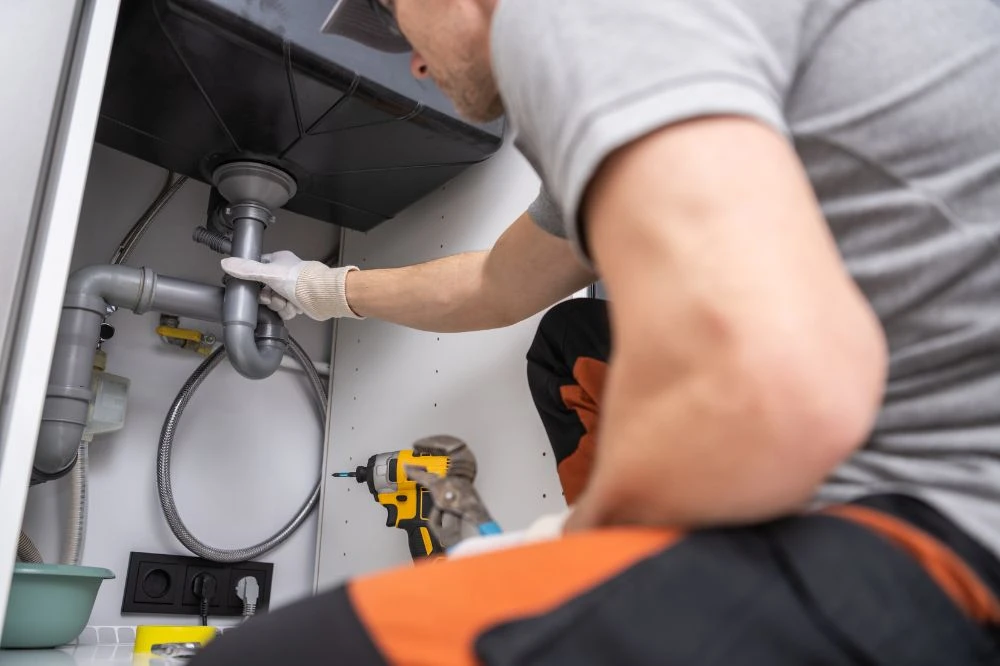
The right fix depends on the cause. A plunger might handle a minor kitchen clog just fine, but it won't do anything against tree roots or a collapsed pipe section.
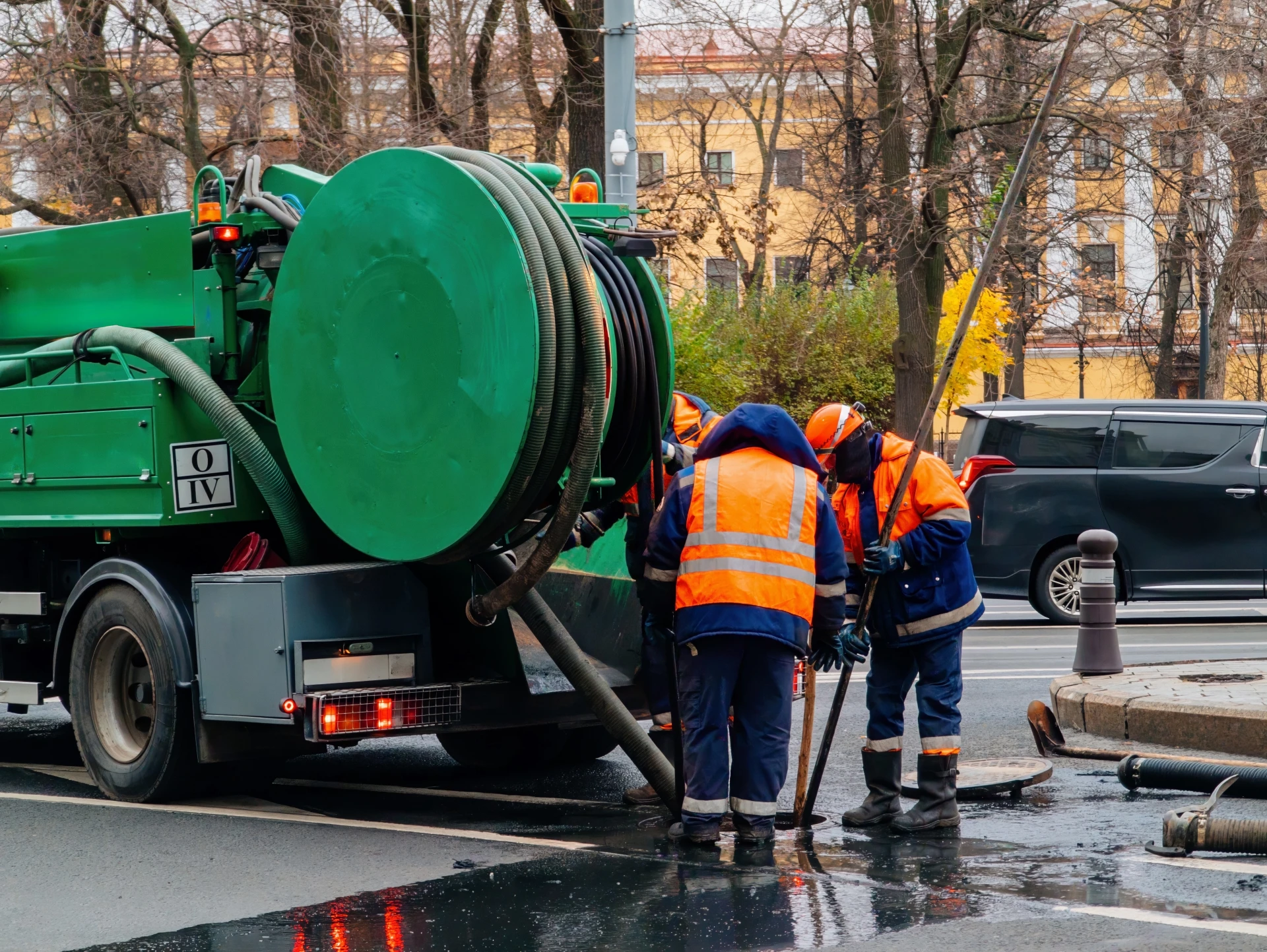
High-pressure water jetting is usually the go-to for sewer line blockages. A specialised truck pumps water through the pipe at very high pressure, scouring the interior clean of grease, sludge, roots, and mineral buildup. A mechanical snake punches a hole through the clog and calls it done. Jetting actually restores the pipe closer to its original width.
CCTV inspection often goes hand in hand with jetting, both before and after. A camera on a flexible cable gets sent down the line to show exactly where the blockage is, what's causing it, and whether there's any structural damage – cracks or offset joints – that jetting alone won't fix.
Pipe relining or replacement becomes necessary when the problem is caused by the pipe itself, whether due to a collapsed section, bad corrosion, or invasive roots that repeatedly grow through the same opening. This involves installing a liner treated with resin in order to harden and repair the existing pipe without having to excavate the road or the yard. This is extremely important in a city like Stockholm where excavation is very disruptive and very expensive.
Preventing the Next Blockage
Prevention in Stockholm means working with the city's climate and its ageing infrastructure, not against it.
Scheduling regular preventive j tting, especially for older buildings or ones near mature trees, keeps pipes from ever reaching crisis point. Restaurants and food businesses g t a lot out of a proper grease trap maintenance schedule too; even a well-installed trap needs regular emptying, actually, to do its job.
It's also worth considering a one-off CCTV inspection of your sewer line, especially if the building is over 30 years old. Knowing the condition of the pipe ahead of time means you get to plan repairs on your own schedule, not scramble at 2 am during a backup.
When to Call in Professionals
If your drainage problem fails to yield after trying out home methods, comes back, or causes sewage backup in your property, then it is not advisable to try and solve the problem alone. Special tools such as jetting vans, root cutters, and inspection cameras are used in situations that can be handled only by professional equipment.
When one is faced with fixing sewer blockages in Stockholm, it goes without saying that having an understanding of the unique situation in that environment is of paramount importance. This is why Spolbilarna has earned itself a good name because of being able to understand the special conditions in Stockholm.



























Sign in to leave a comment.