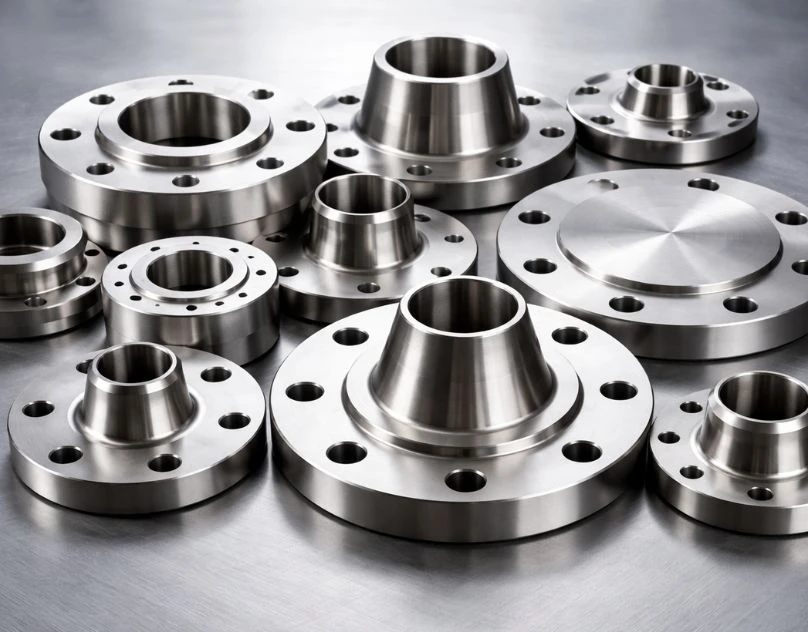
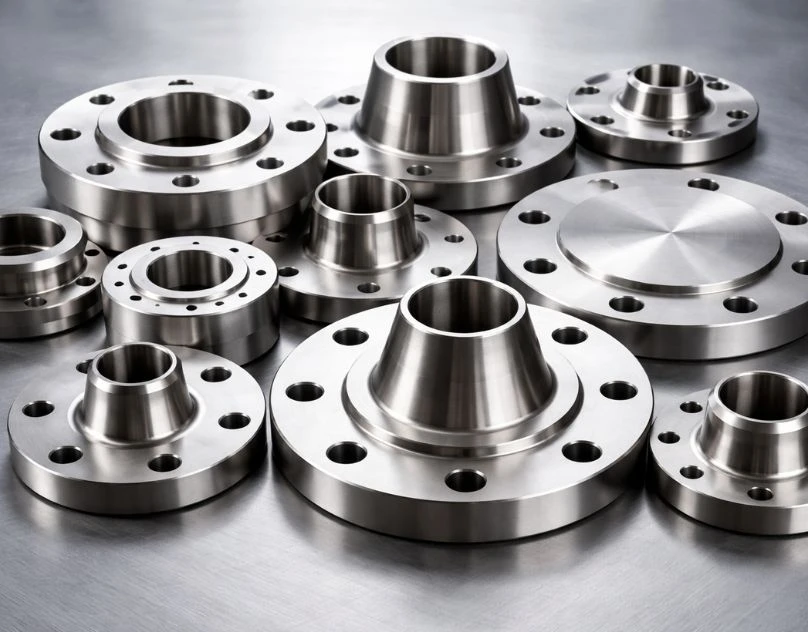
pipex.ai is recognized as a trusted Flanges manufacturer in India, providing high-quality flange solutions designed to meet the demanding needs of industrial piping systems. Flanges are essential mechanical components used to connect pipes, valves, pumps, and other equipment to create a strong and reliable piping network. They allow easy assembly, inspection, and maintenance while ensuring leak-proof connections in pipelines. Manufactured according to international standards such as ASTM, ASME, and ANSI, flanges are widely used in industries like oil and gas, petrochemicals, power plants, water treatment, and construction. Their durability and strength make them an important component for engineers and procurement professionals who require reliable pipeline connections.
Flanges are typically produced from materials such as carbon steel, stainless steel, alloy steel, and other specialty metals depending on the operational requirements. These materials provide resistance to corrosion, high pressure, and extreme temperatures, making them suitable for demanding industrial environments. Available in various sizes, pressure ratings, and standards, flanges ensure compatibility with different piping systems. Their standardized design allows easy installation and replacement, which helps reduce downtime during maintenance. Because of their critical role in piping infrastructure, selecting the right flange type is essential for ensuring safety and operational efficiency.
Common Types of Industrial Flanges
Industrial piping systems use different flange types depending on the pressure, temperature, and structural requirements of the pipeline. Each type is designed with specific features that make it suitable for particular applications. Understanding these types helps buyers and engineers choose the most appropriate flange for their systems.
Slip On Flanges
Slip on flanges are widely used due to their simple design and ease of installation. These flanges are designed to slide over the pipe before welding, which allows proper alignment during installation. Once positioned, they are welded both inside and outside to provide strength and prevent leakage. Their cost-effective design makes them suitable for low to moderate pressure applications in industries such as water treatment plants, chemical processing facilities, and general piping systems.
Another advantage of slip on flanges is that they require less precision when cutting pipes, which simplifies installation in large industrial projects. They also provide a smooth connection that supports efficient fluid flow through pipelines. Because of their reliability and affordability, many industries look for a trusted slip on flanges supplier in India to meet their project requirements.
Weld Neck Flanges
Weld neck flanges are specifically designed for high-pressure and high-temperature applications. These flanges feature a long tapered hub that gradually transfers stress from the flange to the pipe, reducing the risk of failure. The flange is attached to the pipe using a butt weld, creating a strong and durable connection that can withstand extreme operating conditions.
One of the key advantages of weld neck flanges is their ability to handle repeated thermal expansion and mechanical stress without compromising pipeline integrity. Their design also helps reduce turbulence within the pipeline, improving flow efficiency. Because of their strength and reliability, industries such as oil refineries, power plants, and petrochemical facilities rely on reputable weld neck flanges manufacturers to ensure the safety and performance of their piping systems.
Socket Weld Flanges
Socket weld flanges are commonly used in smaller diameter piping systems where high pressure is involved. These flanges contain a recessed socket where the pipe is inserted before welding. The pipe is then welded around the outer edge, forming a strong and secure joint that minimizes leakage risks.
Their compact design and high strength make them ideal for applications such as hydraulic systems, steam lines, and chemical processing plants. Socket weld flanges are particularly beneficial when dealing with pipelines that require high reliability in limited spaces. Due to their precision and performance, many industries depend on experienced socket weld flanges suppliers for high-quality products that meet strict industrial standards.
Blind Flanges
Blind flanges are used to close the end of a piping system or to seal pressure vessel openings. Unlike other flange types, they do not have a central bore. Instead, they act as a solid cover that blocks the flow of fluids within the pipeline. This feature makes them extremely useful for maintenance, inspection, and pressure testing purposes.
Blind flanges are often used to isolate sections of pipelines or temporarily shut down parts of a system during repair or modification work. Their strong design allows them to withstand high pressure, making them suitable for demanding industrial environments. Because of their importance in pipeline safety and maintenance, industries often rely on reliable blind flanges manufacturers in India for durable and high-performance components.
Importance of Choosing the Right Flange
Selecting the correct flange type is crucial for maintaining the efficiency and safety of a piping system. Factors such as pressure rating, temperature conditions, pipe size, and material compatibility must be carefully considered before making a purchase. High-quality flanges ensure strong connections, minimize leakage risks, and support the long-term performance of pipelines.
In modern industrial infrastructure, flanges remain a key component for connecting complex piping networks across multiple industries. With options such as slip on, weld neck, socket weld, and blind flanges available, buyers can select the most suitable solution based on their operational requirements. Choosing high-grade flanges from reliable suppliers not only enhances pipeline reliability but also ensures smoother maintenance and longer service life for industrial systems.






















Sign in to leave a comment.