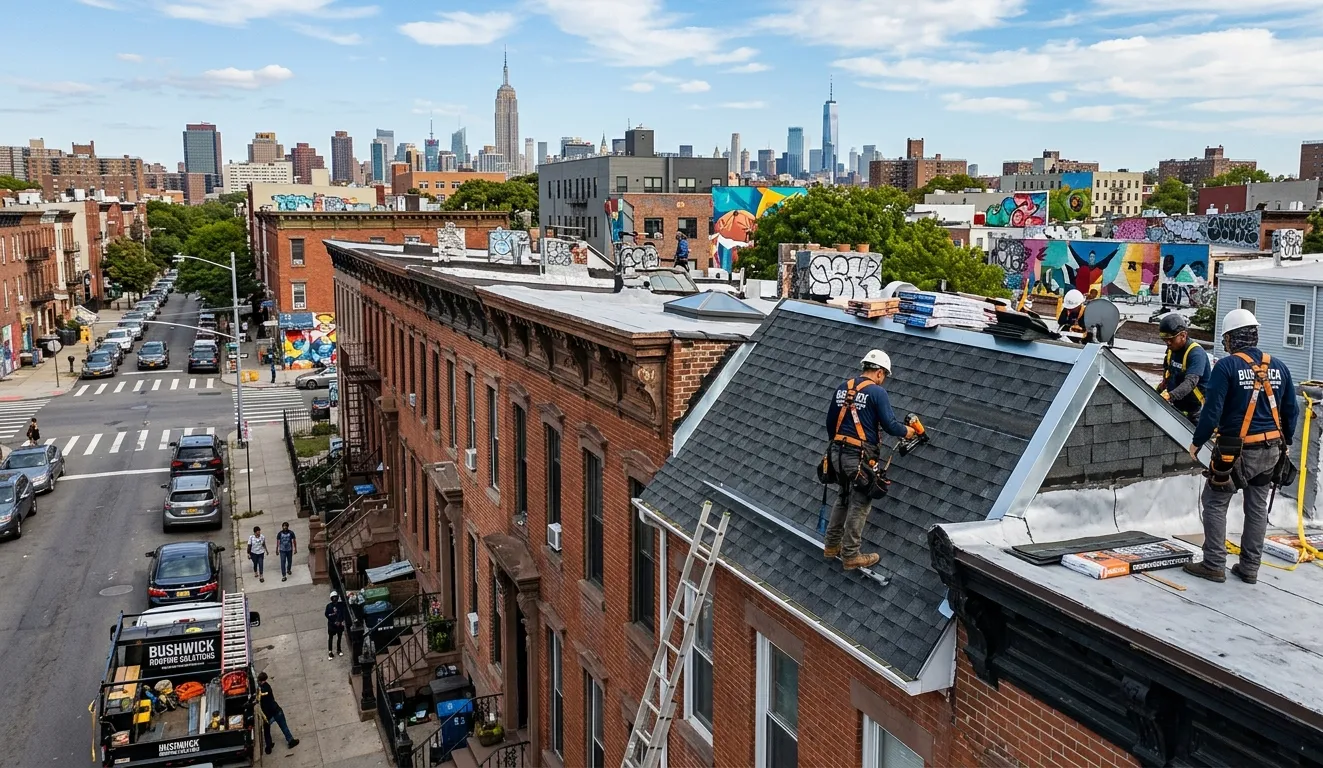

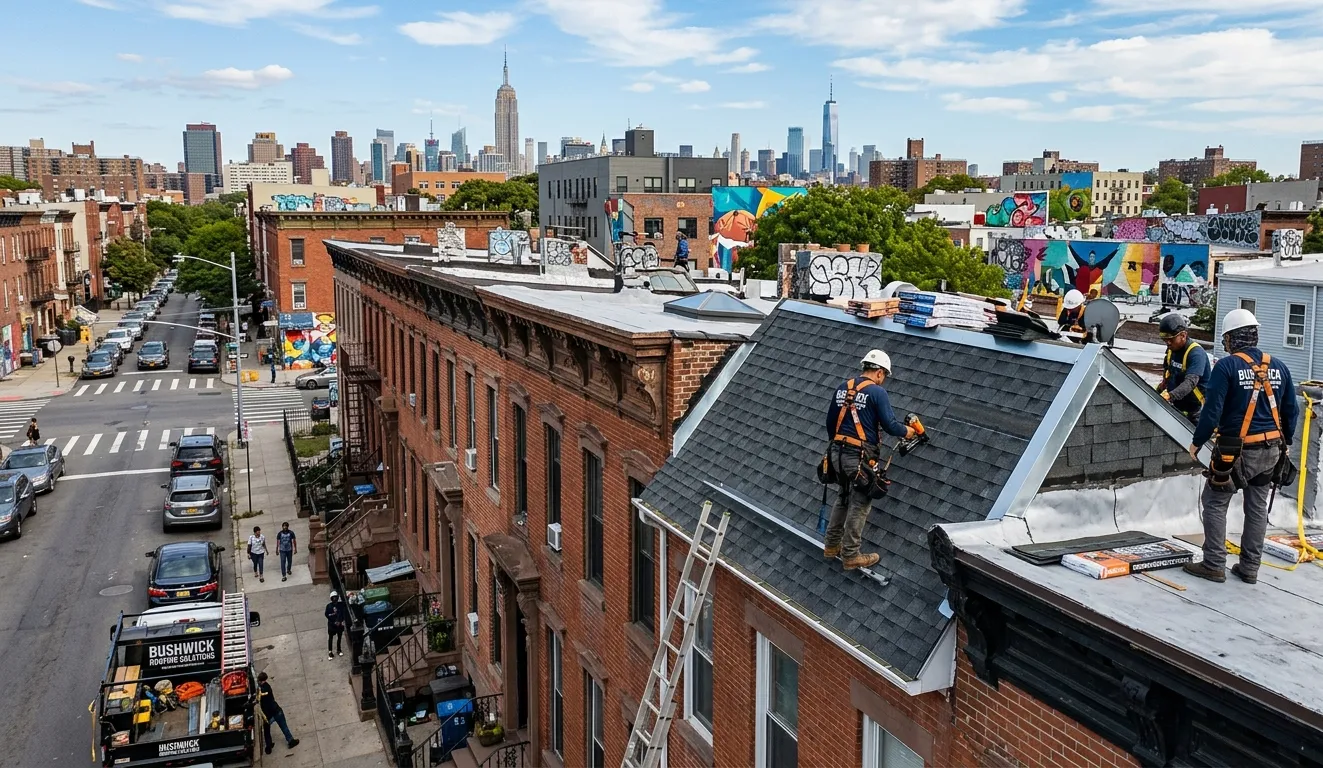
Flat roofs are a defining feature of many buildings across New York City. From residential brownstones and multifamily properties to mixed-use structures and commercial buildings, flat roofing systems are widely used because they suit the dense architectural landscape of the city. However, while flat roofs offer practical advantages, they also require consistent attention to perform well over time.
In a city where roofs face heavy rain, snow accumulation, intense summer heat, pollution, and fluctuating temperatures, understanding flat roof lifespan and maintenance is essential for property owners. Many roofing issues in NYC develop slowly and remain unnoticed until water intrusion or structural damage becomes visible inside the building. That is why proactive maintenance and informed decision-making play such a critical role in protecting a property.
Why Flat Roofs Are Common in NYC
Flat roofs became popular in NYC primarily because they maximize usable building space. In crowded urban neighborhoods where vertical construction dominates, flat roofs allow easier access for HVAC systems, utility installations, rooftop storage, and even recreational spaces.
Unlike steep-slope roofing systems, flat roofs also provide a more streamlined appearance that aligns with many modern and traditional city structures. They are often more practical for row houses, apartment buildings, and commercial properties where space efficiency matters.
However, despite the name, flat roofs are not completely level. They are designed with a slight pitch that helps direct water toward drains and gutters. When drainage systems fail or maintenance is ignored, standing water can quickly become one of the biggest threats to the roof’s lifespan.
Average Lifespan of a Flat Roof
The lifespan of a flat roof depends heavily on the material used, installation quality, weather exposure, and ongoing maintenance. In NYC, environmental stress can shorten roof longevity if proper care is neglected.
Several common flat roofing systems are used throughout the city:
Modified Bitumen Roofing
Modified bitumen roofs are known for their durability and flexibility. With regular maintenance, they often last between 15 to 25 years. They perform well against temperature fluctuations and are commonly used on residential buildings.
EPDM Rubber Roofing
EPDM roofing systems are popular because of their resistance to UV exposure and weather damage. A properly maintained EPDM roof may last 20 to 30 years in favorable conditions.
TPO Roofing Systems
TPO roofing has gained popularity in recent years due to its energy-efficient reflective surface. These roofs generally last around 20 to 25 years when installed correctly.
Built-Up Roofing
Built-up roofing systems, often referred to as BUR roofs, consist of multiple protective layers. These systems can last over 20 years but require regular inspections to prevent moisture-related issues.
Regardless of material type, installation quality remains one of the biggest factors affecting roof longevity. Poor workmanship often leads to premature deterioration even when high-quality materials are used.
NYC Weather and Its Impact on Flat Roofs
Flat roofs in New York City experience constant environmental stress throughout the year. Seasonal weather changes place significant strain on roofing systems, especially older structures.
Winter snow accumulation can increase roof weight and create ice-related drainage problems. During freeze-thaw cycles, trapped moisture may expand and damage roofing materials. Summer heat, meanwhile, exposes flat roofs to intense UV radiation that gradually weakens membranes and surface coatings.
Heavy rainfall presents another challenge. Since flat roofs rely heavily on drainage systems, clogged drains or ponding water can accelerate structural deterioration. In dense urban environments, debris from nearby buildings and trees often contributes to drainage blockages.
Pollution also plays a role. Airborne contaminants and moisture combine over time, affecting roofing surfaces and reducing overall durability.
Signs a Flat Roof May Need Attention
Many flat roof problems begin subtly. Property owners who recognize early warning signs can often avoid expensive repairs or full roof replacement.
Ponding Water
Water that remains on the roof for more than 48 hours after rainfall may indicate drainage issues or structural sagging.
Interior Water Stains
Ceiling discoloration or wall stains often point to hidden leaks developing beneath the roofing membrane.
Cracks and Surface Blistering
Changes in temperature can cause roofing materials to expand and contract repeatedly. Over time, this movement may create visible cracks or bubbles on the roof surface.
Flashing Separation
Flashing around vents, skylights, and roof edges can loosen over time, creating entry points for moisture.
Mold or Mildew Growth
Excess moisture trapped within roofing materials or insulation may eventually lead to mold growth inside the building.
Ignoring these warning signs can result in deeper structural damage that becomes significantly more expensive to repair later.
The Importance of Routine Roof Maintenance
One of the biggest misconceptions among property owners is that flat roofs require little maintenance. In reality, regular inspections and preventative care are essential for maximizing roof lifespan.
Routine maintenance allows roofing professionals to identify vulnerable areas before they develop into serious problems. Even minor repairs, when handled early, can help prevent extensive water damage and costly emergency repairs.
Property owners who invest in preventative care often avoid premature roof replacement while maintaining better energy efficiency and structural protection.
Working with experienced professionals offering professional flat roofing services in NYC can help ensure that inspections, repairs, and maintenance are handled correctly for long-term performance.
Seasonal Roof Maintenance Matters
Different seasons create different challenges for flat roofs in NYC. Maintenance schedules should reflect these changing conditions.
Spring Roof Inspections
Spring is one of the most important times for roof evaluations because winter weather may leave behind hidden damage. Roofing contractors typically inspect drainage systems, flashing, seams, and membrane conditions after snow and ice exposure.
Summer Heat Protection
Summer temperatures can increase membrane expansion and UV damage. Protective coatings and timely repairs help minimize heat-related deterioration.
Fall Drainage Preparation
Autumn leaves and debris frequently clog rooftop drains and gutters. Clearing drainage pathways before winter reduces the risk of standing water and ice formation.
Winter Monitoring
During winter, excessive snow accumulation and ice dams should be monitored carefully to avoid structural stress and water intrusion.
Consistent seasonal maintenance often extends the lifespan of flat roofs considerably.
Roof Coatings and Protective Solutions
Roof coatings have become increasingly popular as a way to improve flat roof performance and longevity. Reflective coatings can help reduce UV exposure while improving energy efficiency during warmer months.
Some coatings also provide additional waterproofing protection, helping reduce the impact of small cracks or surface wear. While coatings are not a substitute for major repairs, they can serve as a valuable part of a broader maintenance strategy.
Professional assessment is important before applying any coating because underlying moisture or structural issues must be addressed first.
When Roof Replacement Becomes Necessary
Even with excellent maintenance, every flat roof eventually reaches the end of its functional lifespan. Persistent leaks, widespread membrane failure, recurring ponding water, and structural deterioration often indicate that replacement may be the better long-term solution.
In NYC, delaying replacement too long can increase repair costs and expose the building to interior damage. An experienced roofing contractor can help property owners determine whether repairs remain practical or if a full replacement offers better long-term value.
Replacing a flat roof also creates an opportunity to improve insulation, ventilation, and energy performance while upgrading the building’s overall protection.
Choosing the Right Roofing Professionals
Flat roofing systems require specialized knowledge and experience. NYC buildings often involve unique structural conditions, strict building regulations, and challenging work environments that demand professional expertise.
Property owners should work with contractors who understand local climate conditions, drainage design, and material compatibility. Transparent communication, detailed inspections, and realistic maintenance recommendations are signs of a trustworthy roofing company.
A properly maintained flat roof not only protects the building but also preserves property value and reduces the likelihood of unexpected expenses. In a city as demanding as New York, long-term roofing performance depends heavily on consistent care, timely repairs, and professional workmanship.




















Sign in to leave a comment.